
After studying several market cycles. I have started to believe the most mispriced narratives in crypto are not about speed or hype but about who is actually ready for regulation when it fully arrives. When I analyzed Dusk Foundation again after my previous deep dive one thing became clearer to me. The market still treats Dusk like a niche privacy experiment while its architecture is increasingly aligned with where global finance is moving. In my assessment that gap between perception and positioning is where long term opportunity often hides. Crypto in 2026 is no longer just about decentralization versus centralization. It's about compatibility with laws reporting standards and institutional risk frameworks. My research across regulatory papers, bank pilots and tokenization reports suggests that the next adoption wave will reward chains that solve compliance without sacrificing decentralization. Dusk was designed precisely for that uncomfortable middle ground. According to a 2024 report by the World Economic Forum more than 70 percent of institutional blockchain pilots stalled due to privacy and compliance conflicts. That number alone explains why "public by default" blockchains struggle with regulated assets. Dusk's design flips that model by making confidentiality native while still allowing verifiability.
Why Dusk feels different when you look under the hood?
In my experience most crypto investors judge blockchains by surface metrics like TVL, transaction count or infrastructure size. Those metrics matter but they are not neutral. They heavily favor consumer facing DeFi chains and underestimate infrastructure built for regulated finance. Dusk's use of zero knowledge proofs is often mentioned but rarely understood. I usually explain it like this. Imagine showing airport security that you are allowed to board without revealing your passport number address or travel history. Dusk checks if you are eligible but it does not reveal who you are. That is the trick compliance without giving up your privacy.
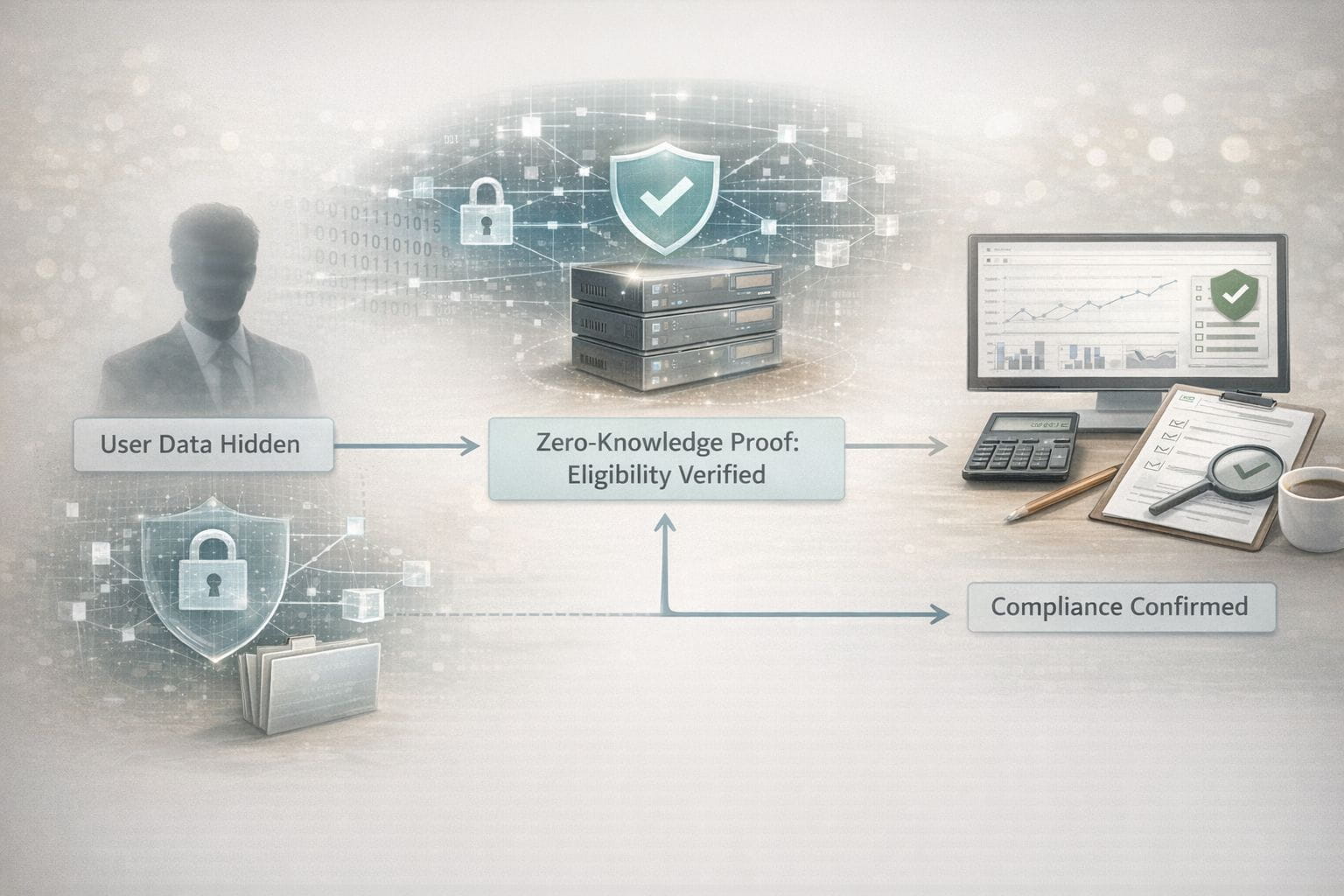
I have dug into Dusk's protocol papers and read what outside auditors have to say. The bottom line? Regulators and auditors can still verify transactions but the people involved stay out of the spotlight. Messari's 2024 infrastructure report even called out privacy first compliance blockchains as one of the hottest areas in crypto research right now even if most regular users are not paying much attention yet. This matters more than people realize. According to the European Central Banks 2023 distributed ledger analysis financial institutions cannot legally transact on ledgers where sensitive trade data is globally visible. That is not a technical limitation. It's a legal one. Dusk does not just work around this constraint. It builds everything with it front and center. A chart that lays out transactions on Ethereum next to those on Dusk step by step showing exactly when each platform reveals data or imagine a graphic that breaks down how zero knowledge proofs take the place of old school disclosure during settlements. Stuff like this makes it obvious how Dusk stands apart. It's not just about a different philosophy is the whole structure changes.
Comparing Dusk to other scaling and Layer 1 solutions
In my assessment comparing Dusk directly to Ethereum, Solana or Avalanche misses the point. Those networks optimize for open composability and throughput. Dusk optimizes for legal viability in capital markets. Ethereum's roadmap has increasingly emphasized privacy through optional layers and rollups. My research shows that when privacy is optional compliance ends up all over the place. Each app has to sort out the rules on its own. Dusk handles those constraints right from the start so it's a lot easier for institutions to jump in. Polygon and Avalanche let you set up custom subnets. sure but keeping things confidential still falls on each individual app. The 2024 McKinsey report on tokenized securities points out that institutions want standardized compliance not a bunch of one off fixes. It's just safer and easier for audits and liability. That preference quietly favors chains like Dusk.
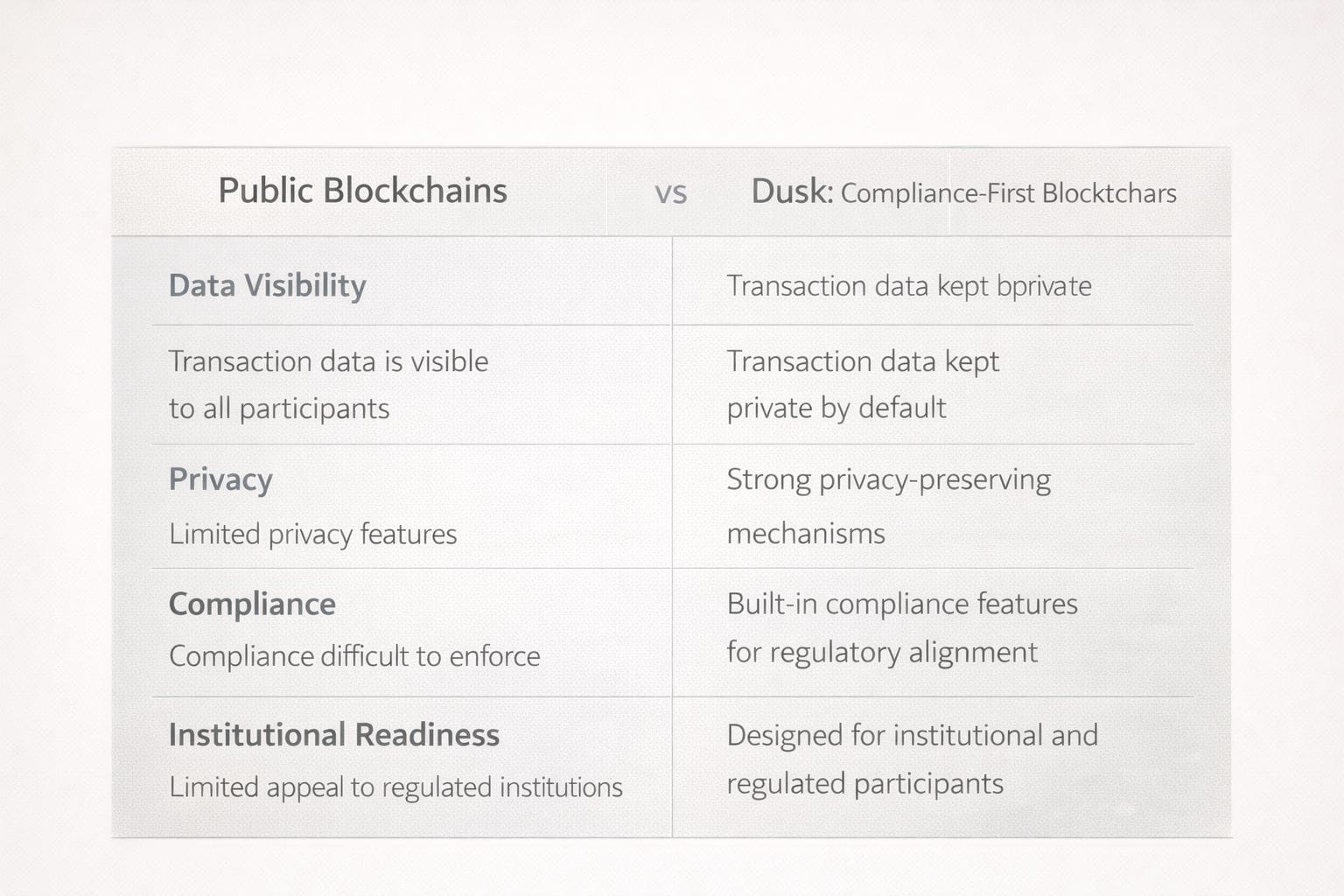
Another conceptual table could compare Layer 1 across criteria such as default data visibility, regulatory compatibility and institutional readiness. A second table mapping use cases like tokenized bonds, equity settlement and private funds to suitable blockchain architectures would further contextualize Dusk's niche. What I find most interesting is that Dusk is not competing for DeFi users. It's competing for balance sheets. That's a slower game but historically a more durable one. Larger models may integrate similar privacy compliance solutions over time. However my research suggests retrofitting regulation is far harder than building with it from day one. Execution complexity remains a challenge but it's a known challenge not a hidden one.
My Final thoughts from a long term lens
After revisiting Dusk Foundation through a fresh analytical lens my conviction is not about short term price appreciation. It's about relevance. Crypto is gradually moving from experimentation to integration with real financial systems. Dusk is not betting on a world without regulation. It's betting on a world where regulation and decentralization coexist. That's a harder bet but also a more realistic one. When the market eventually shifts focus from speed and speculation to compliance and capital formation the question won't be which chain was fastest. It will be which chain was ready and that's where Dusk quietly continues to position itself.
