
Powerful blockchains still lack speed right out of the box. Too much user traffic causes delays, higher costs pile up slowly. Sluggish confirmations turn into a real headache at scale - that hurdle blocks wider use every time. Security stays locked on the main chain, yet operations shift elsewhere thanks to Plasma’s design. Transactions for the made-up XPL coin become quicker, lighter on wallets, far smoother - trust remains untouched through it all.
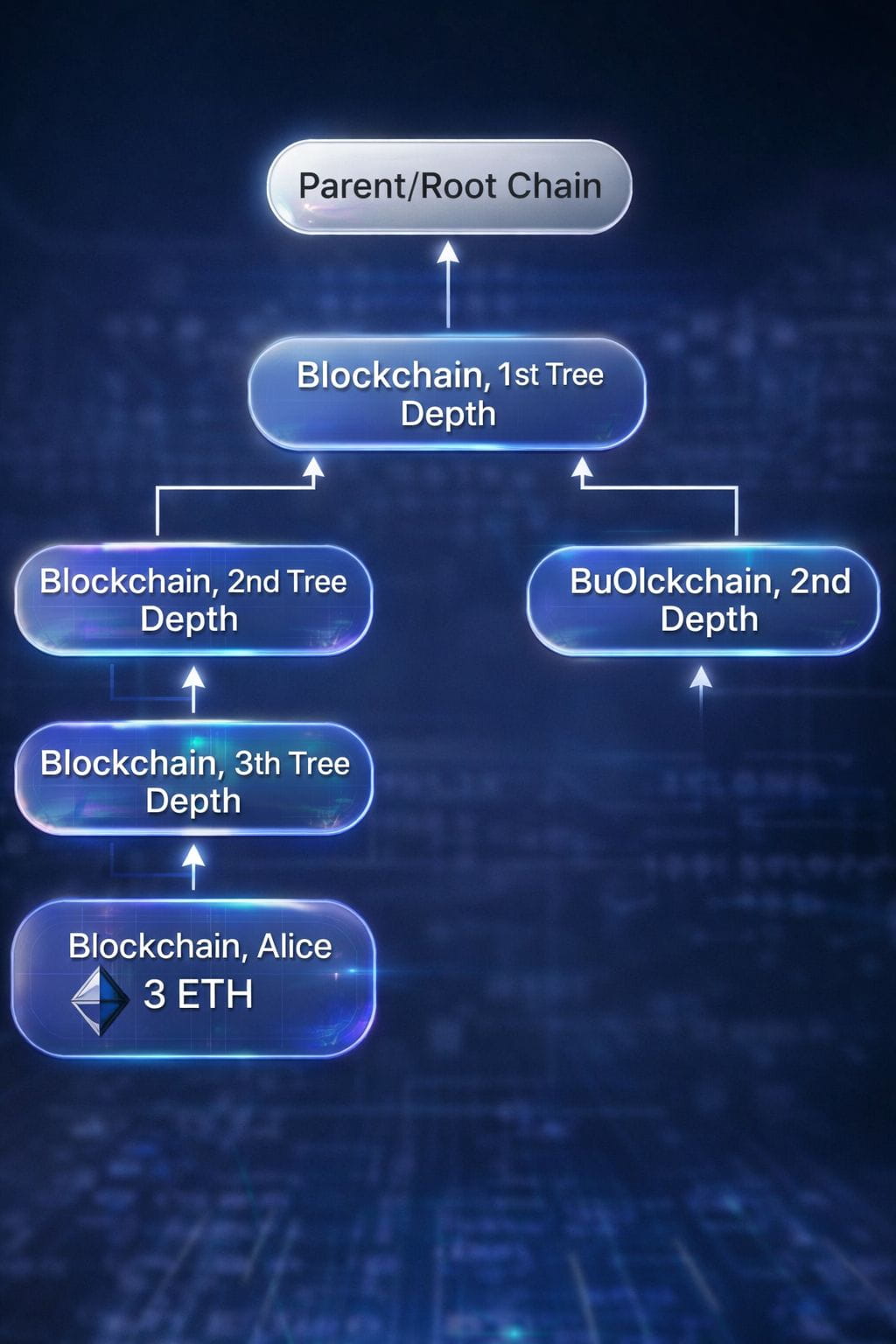
Busy highways get help from smaller roads branching off them. These side paths handle cars so the main road does not jam up. The big chain works like that crowded highway. Smaller versions move some work away from it. They carry data most of the time. Only when things must be checked do they touch the central lane again. One connects back just for updates or exits.
Off to the side, little paths known as child chains take care of nearly all trades on their own. Every now and then, just a snapshot of what happened gets sent up to the big chain. That shift makes all the difference. While the central ledger still holds final authority, it skips the burden of tracking each tiny move one by one.
Everyday moves by XPL owners might flow through Plasma networks, yet the backbone stays locked on the primary chain for safety and closure. What runs smoothly off-main may still anchor deep in the core when it counts.
A single spark drives Plasma - clean, sharp design under the hood. It works because basics are strong.
Root Chain
A single checkpoint now and then lands on the root chain. This backbone system holds those records while stepping in whenever arguments pop up across Plasma links.
Child Chains
Running on their own, these chains handle the bulk of XPL trades. Speed goes up since there's no need to wait for others across the system.
Commitments to the Root Chain
Every now and then, someone running a Plasma chain sends a compact proof to the main chain. Not everything gets included - just what’s needed to show things are accurate. The snapshot is built using math that secures its truth. Details stay off-chain; trust comes from verification. What matters most sits on the root, like anchors holding place.
Fraud Proofs and Exits
Fraud spotted? A user sends a proof straight to the root chain. When issues pop up, pulling XPL back onto the main chain becomes possible through an exit move.
With this setup, Plasma can handle more transactions without losing the safety built into the base blockchain.
For the XPL ecosystem, Plasma delivers several concrete advantages.
Faster Transactions
Faster confirmations show up on a Plasma chain since there are fewer validators, unlike the slower pace of a busy main network. Minutes might pass waiting on the primary chain when traffic piles up.
Lower Fees
When the network gets crowded, prices go up. Instead of waiting there, Plasma shifts activity elsewhere - cutting costs dramatically most times. Picture sending money: what takes multiple dollars directly might need pennies using this method.
Higher Throughput
Now picture one Plasma chain moving hundreds, maybe even thousands, of XPL trades every second. As more users join, extra chains spin up alongside it - each working at the same time without slowing down.
Fewer hurdles now let XPL handle payments, gaming, or fast-paced uses - tasks once too tricky for the main network. While before they struggled, today these functions fit smoothly into its upgraded flow.
Potential Challenges and Limitations of Plasma
Still, plasma isn’t magic - it brings compromises along with it.
Data Availability
Finding transaction records should always be possible, otherwise doubt creeps in. When information vanishes, leaving becomes a quiet reflex rather than a choice.
User Experience Complexity
Leaving a Plasma chain isn’t quick - it demands focus from the person involved. Unlike moving funds on the main chain, this step involves extra layers to untangle.
Security Assumptions
Security comes from the root chain, yet Plasma depends on active users or observers watching for fraud. Inactivity raises danger - attention fades, problems grow.
Besides its limits, Plasma runs smoother if tools are solid, people get rewards that make sense, while learning how it works.
The Future of Plasma and XPL
Far from fading, plasma still shapes how networks scale now. Its concepts keep shifting, adapting into new forms. Down the road, XPL might see dedicated chains built for gaming instead of general tasks, or fine tuned for tiny payments, even business systems.
With better tools, most of Plasma's complexity fades into the background. A person might not know they’re using a linked chain at all. Speedy, low-cost XPL transfers just work without explanation.
Over time, systems like Plasma might become central to layered networks. Security and rules stay with the main chain, while routine tasks shift to side chains. These offshoots take pressure off the core by managing daily operations. The structure spreads work without weakening trust. Mainchain stability supports busy sub-chains below. Activity flows outward, yet control remains anchored up top. Layering keeps things moving, each part playing its role.
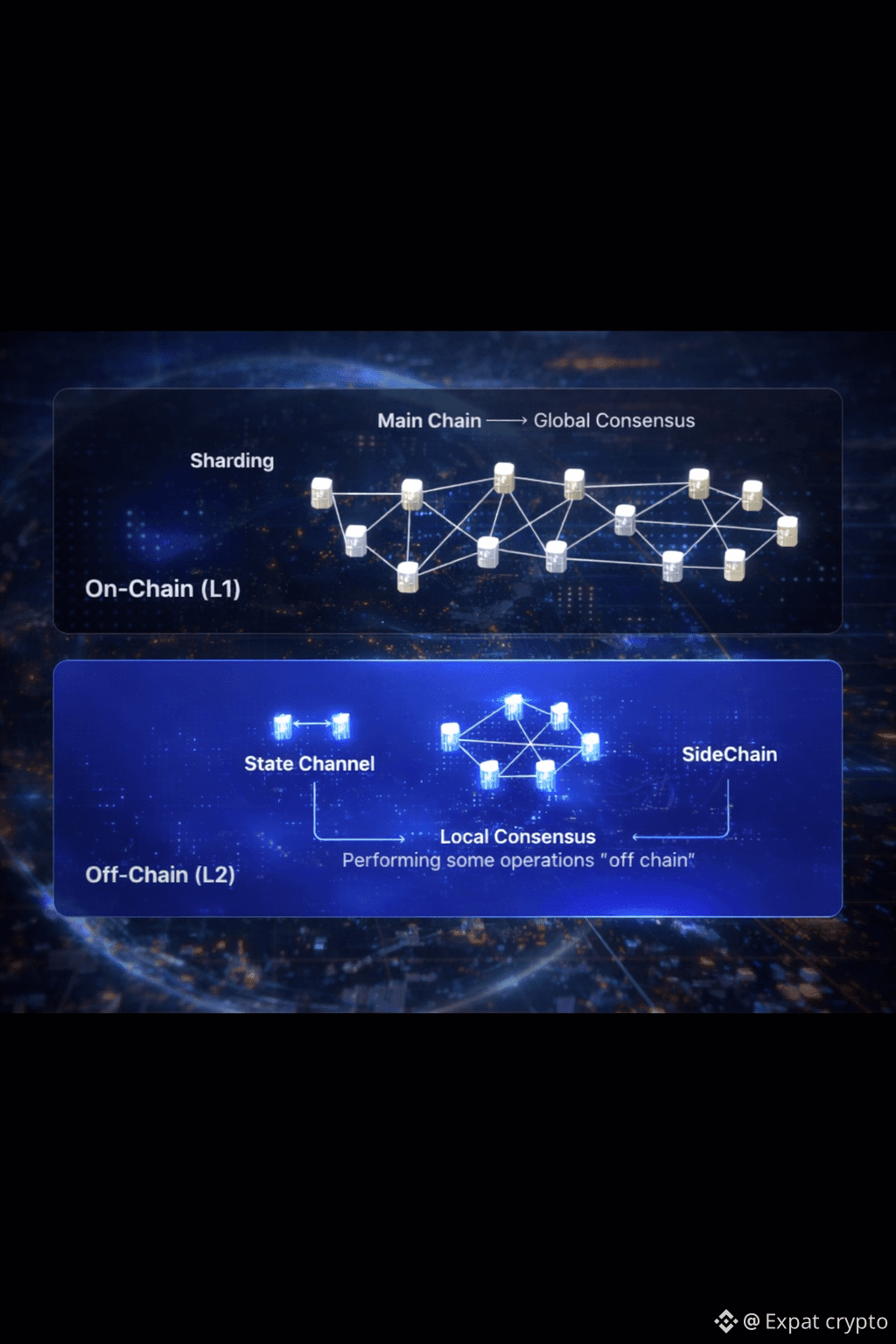
Out here, Plasma scales blockchain actions safely. Instead of clogging the base layer, it shifts bulk transfers outside - locking proofs back into the root chain. That setup allows XPL moves to stay quick, cheap, even when traffic climbs.
One step at a time, smoother interactions come into play with XPL. Thanks to wider access, more people might start using it every day. Tough hurdles still exist, sure. Yet the door opens for heavy-duty apps when flexibility steps forward. Transactions could change shape entirely because of Plasma. Real tasks, real use - XPL gets nearer without fanfare. Challenges linger, but progress doesn’t wait.

