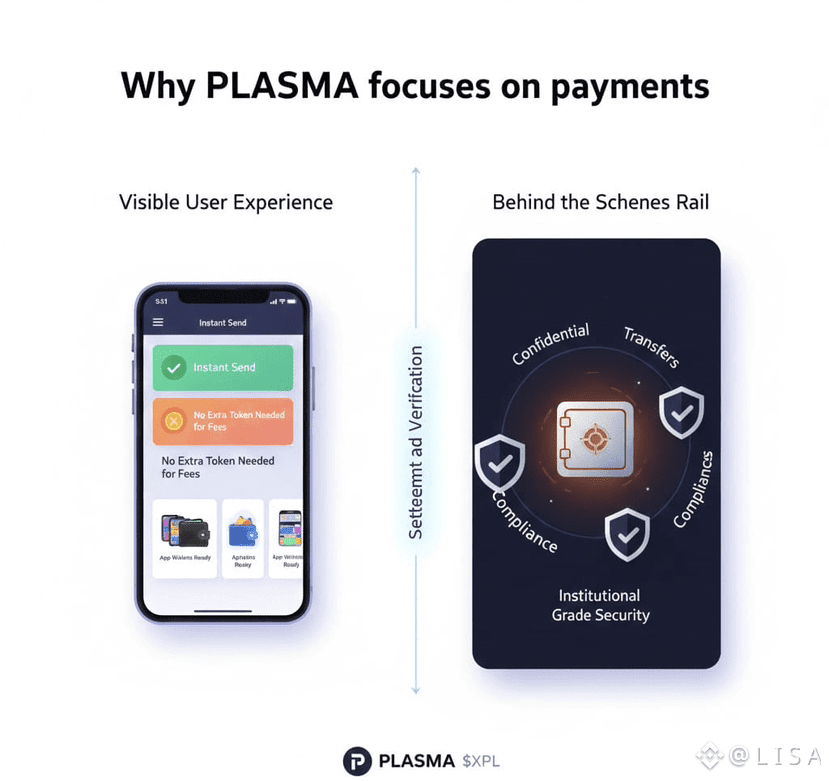
XPL sits at the heart of the Plasma network, steadily powering a Layer 1 that has grown into a serious force for stablecoin finance. When i look at the numbers in early 2026, with billions in locked value, strong daily trading activity, and integrations continuing to roll out, what strikes me most is the calm consistency. Since its launch in September 2025, XPL has shifted from being a new entrant to becoming an essential component behind zero fee payments and expanding DeFi activity. To me, this feels less like explosive hype and more like a system settling into its role.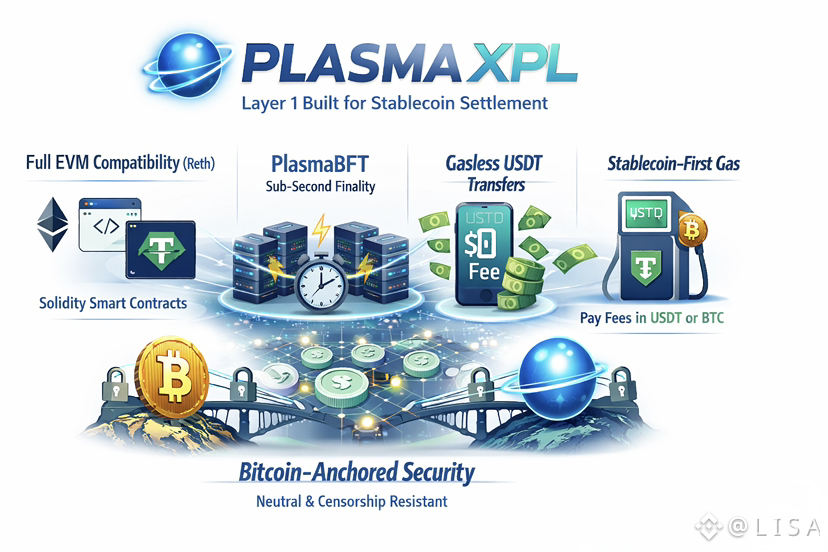
How XPL Took Shape With Intent
XPL was introduced during the height of stablecoin growth in 2025, launching alongside the Plasma mainnet beta on September 25. The timing was deliberate. Plasma aimed to address congestion and cost issues seen across other networks that were never designed for stablecoin dominance. Early participation was structured through transparent sales that rewarded committed users without flooding the market with insider supply.
The total supply was fixed at ten billion tokens, with allocations designed to support long term growth rather than quick exits. A large share was reserved for ecosystem incentives, released gradually to support liquidity and partnerships. A smaller portion was unlocked early to jumpstart DeFi usage, while team and early backer allocations remained locked to ensure long term alignment. Backing from major industry players helped Plasma gain immediate credibility, and the network quickly climbed to multi billion dollar levels of activity. I see this early structure as the reason XPL found its footing so quickly.
The Economic Balance Behind XPL
At its core, XPL is the asset that secures Plasma. Validators stake it to participate in consensus, earning rewards through a controlled emission model that slowly tapers over time. At the same time, parts of the fee flow and penalties are burned, which helps counterbalance inflation as network usage grows.
What really stands out to me is how Plasma handles gasless stablecoin transfers. Users sending USDT feel like the network is free, but XPL still underwrites the system behind the scenes. Sponsored transactions draw from designated XPL pools with strict limits, ensuring sustainability. Governance is also tied directly to XPL, allowing stakers to vote on emissions, upgrades, and bridge parameters. It feels like a carefully tuned system where nothing is wasted and every role is clear.
XPL as the Engine of Plasma Technology
Every major component of Plasma relies on XPL. The consensus mechanism depends on it for validator honesty, with slashing enforcing discipline when rules are broken. Transaction execution references XPL even when fees are abstracted away from users. Bridges, wrapped assets, and advanced features like Bitcoin integrations are all economically secured through XPL staking and bonding.
As i watch Plasma handle high throughput with fast finality, it becomes obvious that XPL is doing the heavy lifting quietly. It enforces security, incentivizes uptime, and absorbs risk so that users and developers experience simplicity. This kind of design makes the token feel fundamental rather than optional.
Partnerships and Ecosystem Growth Fueled by XPL
Plasma growth has been closely tied to XPL driven incentives. Grants, liquidity programs, and user rewards are all funded through the ecosystem allocation. Exchanges, wallets, and applications are not just integrating Plasma for visibility but because the incentives are structured to reward long term participation.
I have noticed that these programs tend to favor sustained usage rather than short bursts of activity. Builders are encouraged to ship products, users are rewarded for real engagement, and liquidity stays put longer than typical farming cycles. This approach seems to be paying off as the ecosystem continues to expand steadily.
Market Behavior and Early 2026 Reality
By early 2026, XPL trades far below its initial peak, yet the broader picture tells a different story. Circulating supply remains a fraction of the total, unlocks are paced, and network usage stays strong even during wider market pullbacks. Plasma continues to process large volumes of stablecoin activity, and DeFi protocols remain active.
From my perspective, this resilience comes from the fact that demand for XPL is rooted in function. As long as Plasma is used to move value, settle trades, and secure applications, XPL retains purpose. Price movements reflect sentiment, but utility continues underneath.
Looking Forward Through the Lens of XPL
Future stages of the Plasma roadmap place XPL firmly at the center. More bridges, deeper integrations with traditional finance, and expansion of payment focused products all rely on XPL governance and security. As stablecoins continue to spread globally, infrastructure that can support them efficiently will matter more than narratives.
I see XPL as a long term coordination asset rather than a short term speculation. It is designed to fade into the background while enabling everything else to work smoothly. If Plasma succeeds in becoming a global rail for stable value, XPL will have earned its place through reliability, not noise.
When i step back, the story of XPL feels like disciplined engineering rather than dramatic storytelling. It is a token built to secure flow, reward participation, and evolve with usage. And as programmable money keeps expanding, the quiet systems that hold it together may end up being the most important of all.