
Plasma is quietly stepping into a role that many blockchains talk about but rarely deliver on. It is becoming usable financial infrastructure for people who have been locked out of banking for decades. As I look across regions like South Asia, Africa, and Southeast Asia, what stands out is not speculation or hype but practical usage. Zero fee stablecoin transfers, simple mobile access, and yield on savings are reshaping how money moves for people who need it most. Plasma feels less like a crypto project and more like a parallel financial system forming where banks failed to reach.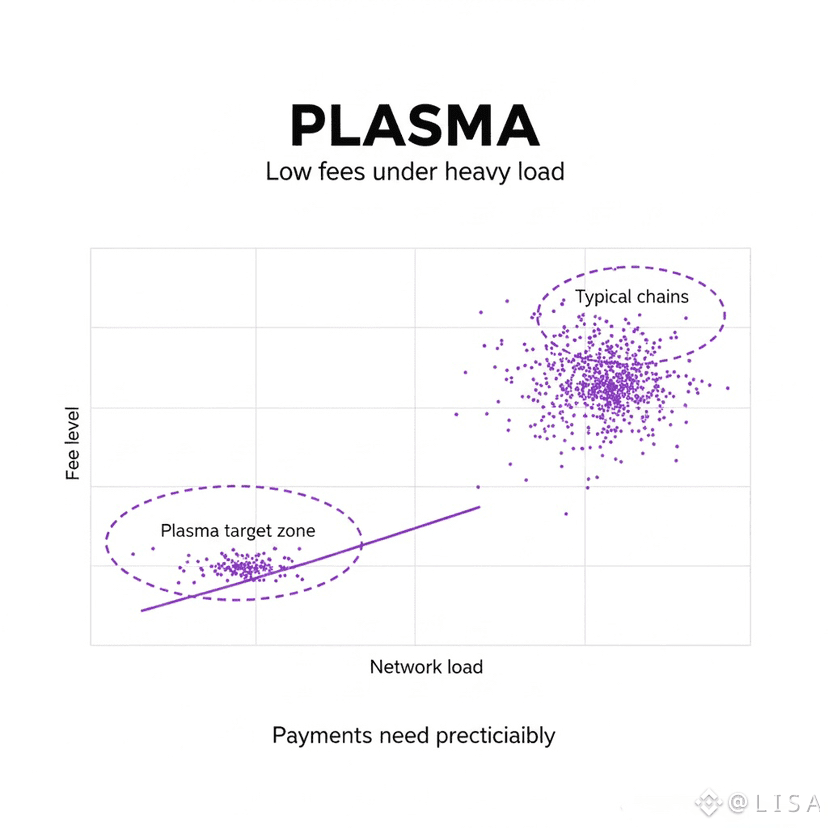
Sending Money Across Borders Without Losing It
In countries such as Pakistan, remittances make up a meaningful share of household income, yet traditional money transfer services take a painful cut. Workers sending money home often lose a large percentage to fees and bad exchange rates. Plasma changes that experience completely. A worker can receive USDT from an employer abroad and send it directly to family members in seconds without protocol fees.
What hits me most is how little value is lost in the process. Funds arrive almost instantly and recipients can move them into local bank accounts or mobile money services through regional partners. Freelancers and overseas workers are already using Plasma wallets for routine transfers, and some families are choosing to keep funds inside Plasma to earn yield before spending. This is happening in corridors that banks largely ignore, where cost and speed matter far more than polished branding.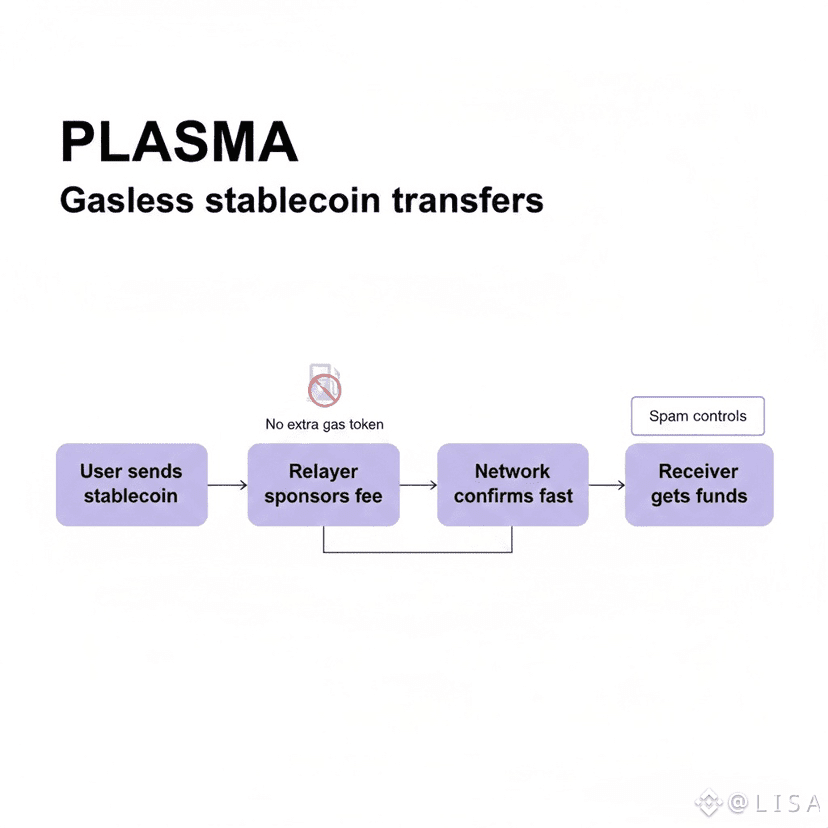
The user experience stays simple. There is no need for a formal bank account and small transfers do not force heavy verification steps. Everything works through mobile interfaces that hide the blockchain layer entirely. With upcoming debit card support, recipients can move from receiving funds to spending them locally without friction.
How Small Merchants Gain Back Control of Cash Flow
For small businesses in developing economies, payment acceptance often comes with painful tradeoffs. Card fees eat margins, cash handling creates risk, and settlement delays hurt liquidity. Plasma flips that situation. Merchants can accept USDT through basic QR code tools embedded in apps they already use, receiving funds instantly with no protocol costs.
I am seeing merchants hold value in stablecoins because inflation makes local currency unreliable. Earning yield on balances adds another incentive. Restaurants, market sellers, and online shops are adopting this because the numbers simply work better. Faster settlement and lower costs improve survival, not just profitability.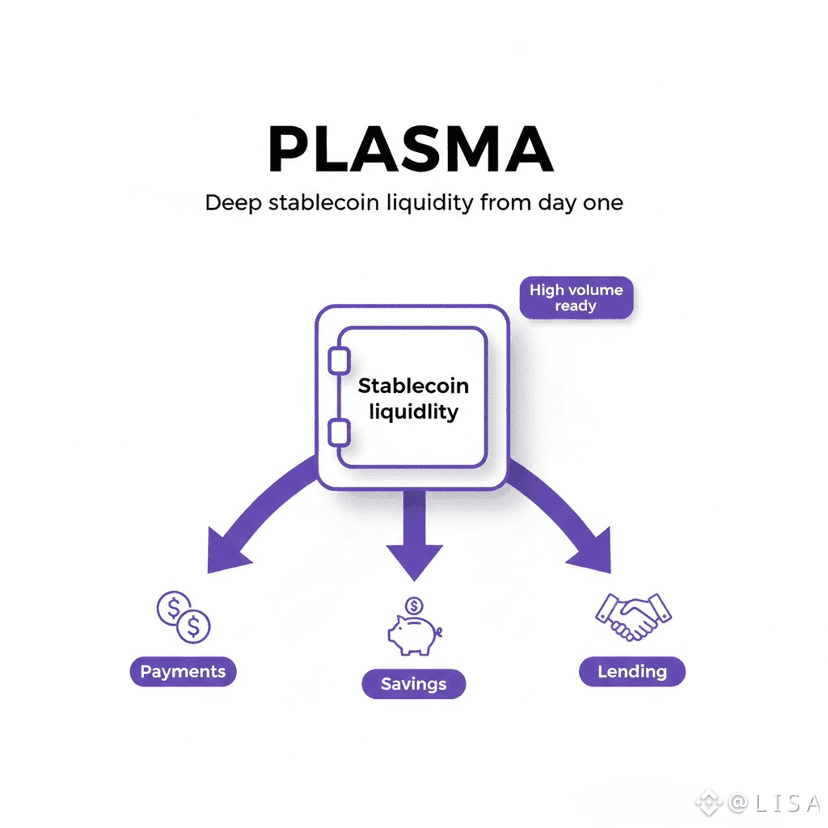
Local payment providers handle conversion to fiat when needed, while customers pay using familiar interfaces. As more merchants join, more consumers adopt stablecoin wallets, creating a loop that strengthens local payment networks without centralized control.
A New Way to Save When Banks Do Not Help
Savings accounts in many emerging markets fail to protect people from inflation. Earning one or two percent while prices rise much faster guarantees loss. Plasma USDT changes that equation. Individuals can lock savings and earn real yield while keeping funds stable.
What stands out to me is accessibility. Plasma does not require smartphones for everyone. SMS based access and integration with existing mobile money systems allow feature phone users to participate. Rewards compound automatically and withdrawals remain flexible. For people managing daily income, this turns saving into something that actually works.
This is especially meaningful for households where holding physical cash creates risk. Digital savings protected by stable value and steady returns can fund education, healthcare, or emergencies in ways traditional systems never allowed.
Payroll and Microfinance Find a Faster Rail
Employers paying distributed workforces are increasingly using Plasma for payroll. Sending stablecoins in bulk costs nothing at the protocol level and reaches workers instantly. Employees choose whether to hold, earn yield, spend locally, or cash out. This removes delays that used to stretch for days.
Microfinance institutions are also experimenting with Plasma based models. Loans can be issued against stablecoin collateral while borrowers earn yield on locked funds. This hybrid approach lowers borrowing costs and expands access to credit for people who previously lacked acceptable collateral.
From what I see, this is where adoption accelerates. Employers and lenders introduce Plasma to users who then bring families and communities with them.
Building Region by Region Instead of One Size Fits All
Plasma is expanding with a local first mindset. Middle East and South Asia corridors are being prioritized with language support and compliant yield structures. Southeast Asia focuses on remittance heavy markets and dense merchant ecosystems. Africa emphasizes mobile money integration where phones already function as banks.
What gives me confidence is the emphasis on local teams and cultural understanding. Community outreach, regional partnerships, and familiar design choices build trust far faster than global marketing campaigns ever could.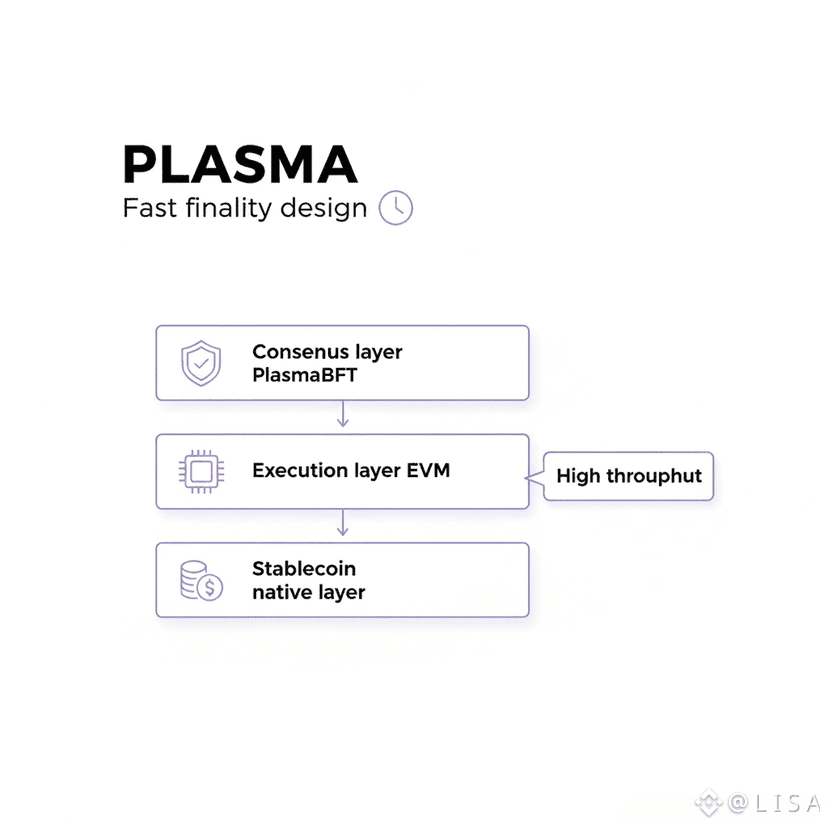
The Economic Loop Behind the Scenes
Every stablecoin transfer and savings deposit strengthens the network. Activity increases demand for XPL through staking and validator operations. Fees and burns capture value from usage rather than speculation. Ecosystem funding supports local applications that bring in more users.
When I look at the numbers, the effect compounds quickly. Even moderate transaction volumes can generate meaningful economic value that gets reinvested into expansion and education. This is how infrastructure sustains itself over time.
Challenges remain. Education takes time. Regulation varies by region. Competition will grow. But Plasma benefits from being neutral and flexible, which opens doors closed to more rigid systems.
When Infrastructure Becomes Invisible
Plasma shows what blockchain looks like when it stops trying to impress traders and starts serving real people. Remittances, merchant payments, savings, and payroll all run quietly in the background, improving lives without requiring users to care how it works.
I keep thinking about the long term impact. If a street vendor can save digitally and earn yield by default, that changes behavior. When money works harder automatically, people gain options they never had.
Plasma is not shouting about revolution. It is building it transaction by transaction. And sometimes the most important financial shifts happen when the system becomes so simple that people forget it was ever broken.

