
Why Data and Privacy Matter More Than Ever
Every digital interaction today creates data, even when people do not notice it happening. Ordering food, scanning a code, or using an app leaves behind information that platforms can analyze. For everyday users, this invisible process often feels distant, yet it directly affects how services behave.
As digital tools become more common, people are paying closer attention to how their information is handled. Privacy is no longer a technical issue reserved for experts. It has become a daily concern tied to comfort, safety, and trust.
DUSK operates at the intersection of real-world experiences and digital engagement. Because it connects physical moments with online interaction, data responsibility becomes even more important. Users expect their real experiences to be respected digitally.
By recognizing privacy as a core expectation rather than an optional feature, DUSK aligns with modern digital values. This alignment builds confidence from the first interaction. Trust begins when users feel seen, not tracked.
How DUSK Thinks About Responsible Data Use
DUSK approaches data with a purpose-first mindset. Information is collected only when it supports a clear function within the experience. This is similar to giving a venue your name for a reservation instead of your full personal history.
By limiting data collection, DUSK reduces unnecessary exposure for users. Less data means fewer risks and clearer boundaries. This simplicity benefits both users and the platform itself.
The data used by DUSK helps improve experiences rather than interrupt them. It supports understanding how people interact in real settings. Importantly, it avoids overwhelming users with irrelevant digital noise.
Responsible data use also creates clarity. When users understand why data exists, they are more comfortable engaging. DUSK’s approach reflects respect rather than extraction.
Privacy Built Into the Experience
Many platforms treat privacy as an afterthought. DUSK takes the opposite approach by embedding it directly into the user journey. From first interaction to continued engagement, privacy is part of the design.
Think of it like clear labeling on food packaging. Users know what they are consuming and can make informed choices. DUSK aims to offer that same transparency digitally.
There are no complex permissions or confusing steps. The experience remains straightforward and accessible. This reduces friction and anxiety for users unfamiliar with digital systems.
When privacy feels natural, users relax. That comfort encourages exploration and participation. DUSK benefits from this by fostering organic engagement.
Transparency as a Foundation for Trust
Trust grows when systems behave predictably. DUSK emphasizes transparency to ensure users know what to expect. Clear communication replaces uncertainty.
Users understand when digital interaction begins and ends. There are no hidden layers or unclear incentives. This mirrors real-life conversations where expectations are set upfront.
Transparency reduces suspicion. When people understand how something works, they are less likely to fear misuse. DUSK’s clarity helps create positive first impressions.
Over time, consistency reinforces trust. Repeated respectful interactions build confidence. DUSK relies on this steady approach rather than dramatic promises.
What DUSK Teaches the Web3 Space
Web3 often talks about user empowerment and decentralization. However, these ideas only succeed when users feel safe. DUSK demonstrates how trust can support adoption.
By integrating digital tools into familiar behaviors, DUSK lowers barriers. Users do not need to understand technical concepts to participate. Experience comes before explanation.
This approach shows that simplicity can coexist with innovation. Web3 does not need complexity to prove value. It needs relevance and respect.
DUSK highlights a key lesson. Trust accelerates adoption more effectively than novelty. When people feel protected, they engage more openly.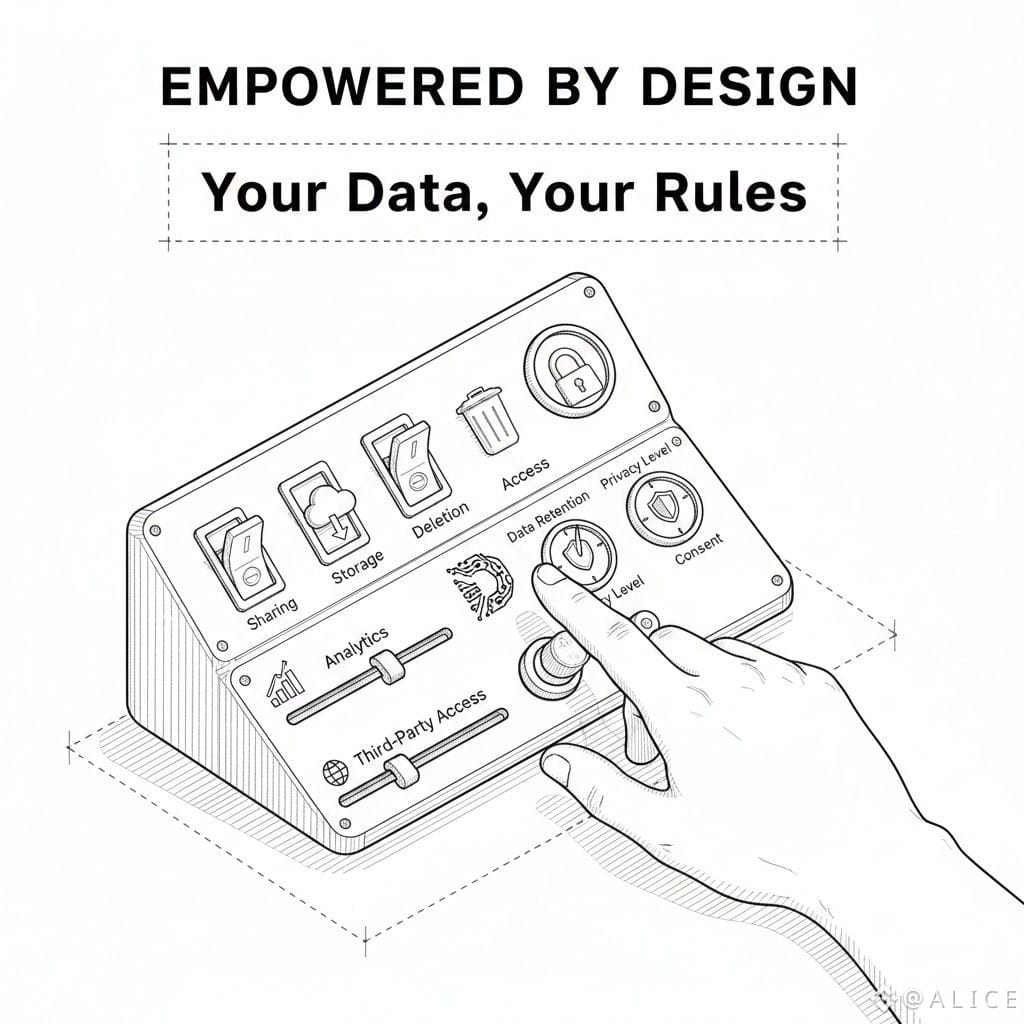
The Long-Term Value of Trust-Centered Design
Digital experiences are becoming extensions of daily life. As this happens, expectations around privacy will continue to rise. Users will gravitate toward platforms that respect boundaries.
DUSK’s model demonstrates how trust supports sustainable growth. By prioritizing responsibility, it avoids short-term gains that harm long-term relationships.
Trust-centered design creates loyalty without pressure. Users return because they feel comfortable, not because they are pushed. This dynamic strengthens communities naturally.
Looking forward, platforms that embed privacy and transparency will lead adoption. DUSK offers a clear example of how thoughtful design builds confidence.