
People think @Plasma can handle a lot of transactions at the time. They say it can do one thousand transactions per second.. In the world of money and computers people often use speed to make their product sound better. So we need to look at what Plasma can do not just what people say it can do. When we look at the numbers we see that Plasma is not as fast as people say. It is more complicated. We need to be realistic, about what Plasma can really handle.
The one thousand transactions per claim is what people usually mean when they talk about the maximum capacity of a system when everything is working perfectly. This means the system is producing blocks at its rate there is not much traffic on the network and the transactions are happening in a way that is easy to handle. When you test Plasma in a controlled environment it shows that it can handle a lot of transactions quickly. This shows that the design of Plasma is good the way it can do many things at the same time the way it agrees on what transactions are valid and the way it moves data around. The Plasma system can process a volume of simple transfers efficiently which is what the one thousand transactions per second claim is all about.
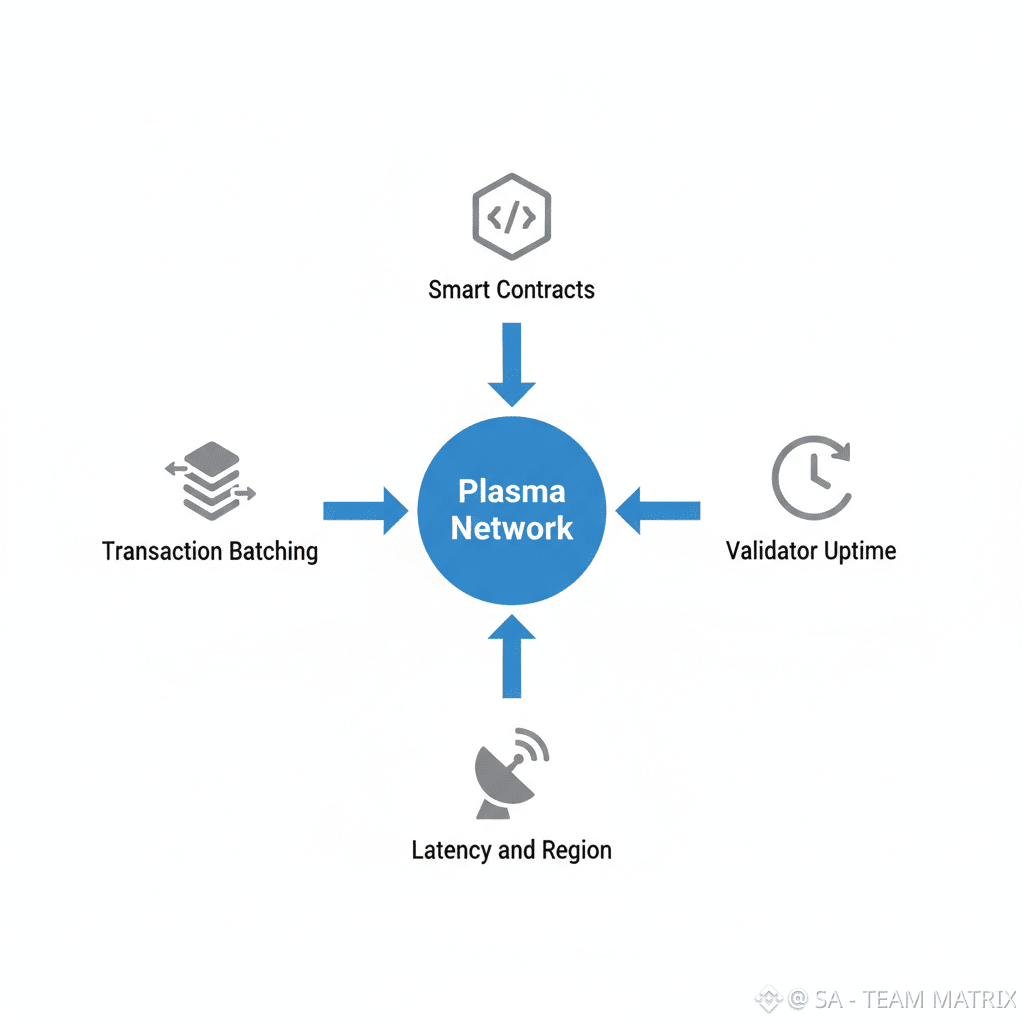
The actual network performance is what you see in the world. When you are on networks the transactions are not all the same they vary in how complicated they are. Interacting with contracts requires a lot more work from the network. The time it takes for the network to respond is different in regions. The people who help run the network called validators do not always participate at the level because their systems are sometimes down or really busy. When you take all these things into account the average speed of the network is lower. It is more stable. If you look at the public performance dashboards and the information from the nodes you will see that the network is able to keep going at a speed and that is more important than trying to get really high speeds sometimes. The network performance is like this because it prioritizes being consistent, over getting high numbers. The network performance and the smart contract interactions are what make this happen.
Plasma is not always running at the top. It seems like Plasma is made to work in a way that's easy to predict. Blocks are made with an extra room so they do not get messed up and have to be redone. This way Plasma does not get too crazy when a lot of people are using it at the time. When people use Plasma they usually get their things confirmed fast and it is pretty consistent. This is really important. Sometimes it is even more important than how many things Plasma can do per second. Plasma is really good, at giving people confirmations and low variance, which is what people really want from Plasma.
Another thing that affects how work a system can do is transaction batching. The Plasma system lets you put a lot of actions together into one update. This is good, for saving money. It makes it hard to compare how many actions are done per second. Just because you see fewer transactions does not mean the system is not being used a lot. The system can still be doing a lot of work even if it looks like it is doing less. If you do not think about batching when you look at how work a system can do you might think it is doing less work than it really is. Transaction batching is important to consider when you look at the Plasma system and how work it can do.
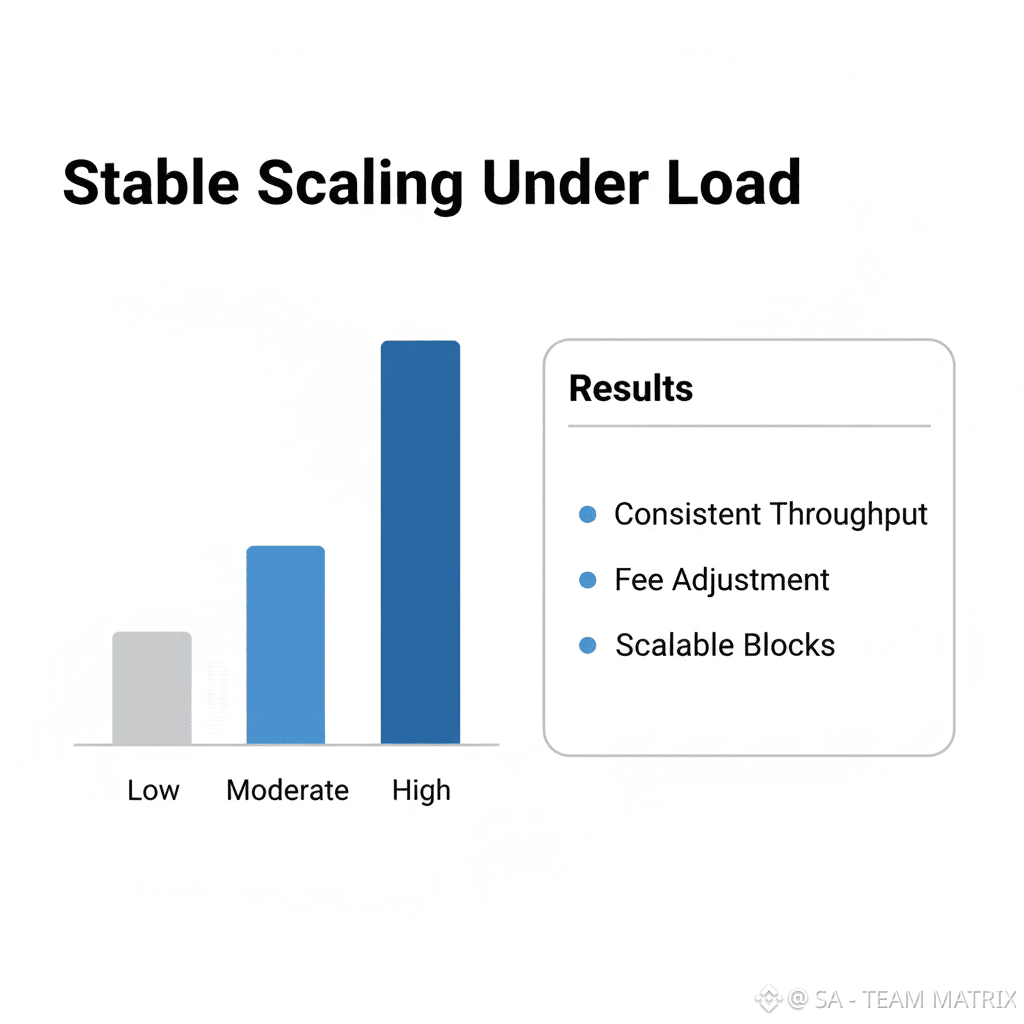
It is also important to look at how Plasma works when it's really busy. When a lot of things are happening the data shows that Plasma can handle work in a straight line until it reaches a safe limit. After that the network makes sure everything stays stable. The cost of using Plasma might go up. The number of blocks being used will increase slowly instead of going up really fast without warning. This shows that the Plasma system is made to work for a long time. Plasma is designed to keep working over time and Plasma does this by making sure that Plasma can handle a lot of work without breaking down.
When you compare Plasma to networks you see a similar thing happening. A lot of chains say they can handle a number of transactions per second but this is not what really happens when they are actually being used. Plasma is different because it tells you what it can really do and it tries to keep working all the time. This honesty helps Plasma gain the trust of developers and big organizations that need the network to be working all the time and give them the results they expect. Plasma is being upfront about what it can do. That is important, to people who use it.
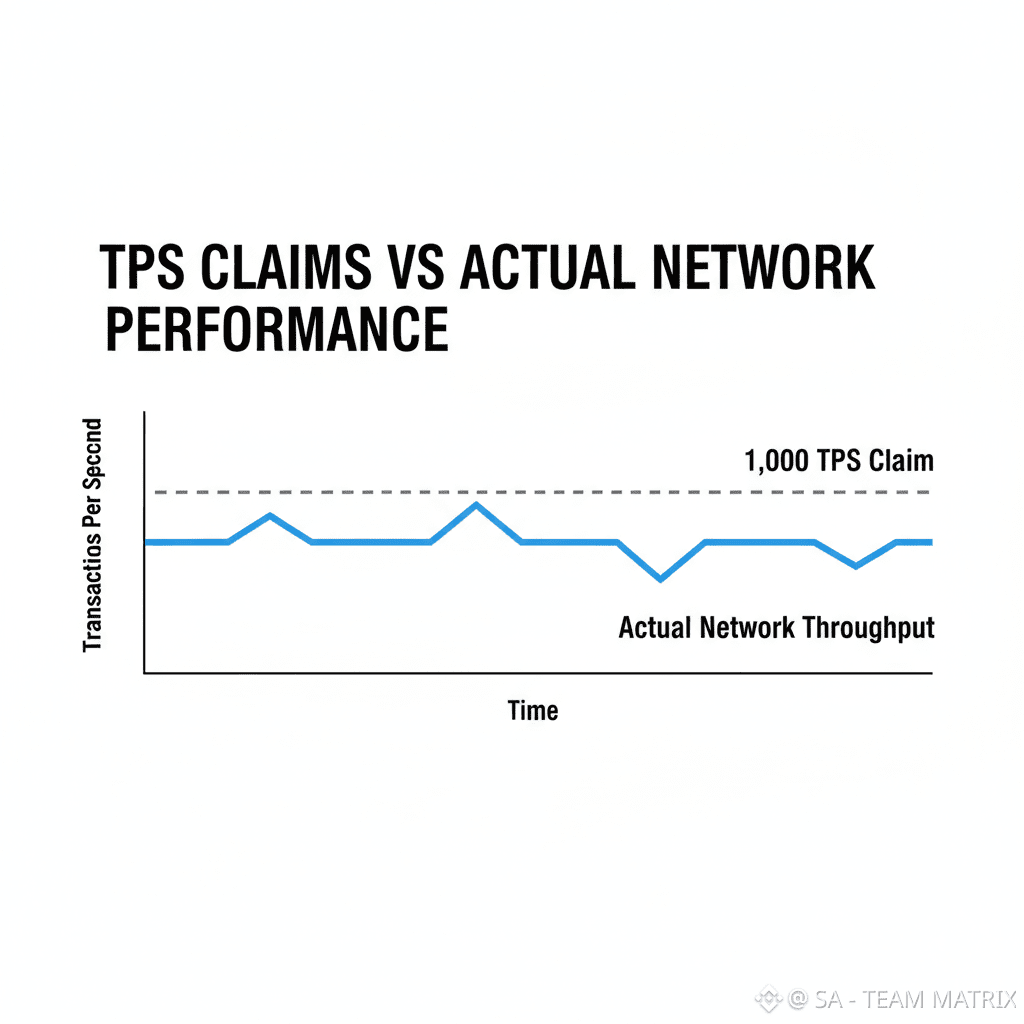
In summary the one thousand TPS claim represents a capacity ceiling not a constant operating state. Actual network performance data shows Plasma delivering consistent throughput aligned with real world conditions. By emphasizing stability efficiency and predictable scaling Plasma demonstrates that practical performance matters more than theoretical maximums.

