
I’m going to stick closely to your rules and focus only on Plasma network details, with no other social app names and no other exchange names, and I will not bring up any exchange unless it is truly needed, so I will not mention any here. Plasma is easiest to understand if we start from the real problem it is trying to solve. Stablecoins already act like everyday money for millions of people, and we’re seeing that usage grow because people want speed, stability, and simple value transfer that does not depend on slow systems. But most blockchains were not designed with stablecoin settlement as the main job, so basic actions like sending USDT can still feel stressful and confusing, especially when gas fees and extra tokens get involved. Plasma is built around the idea that the chain itself should treat stablecoins as the center of gravity, not as a side token, and it becomes a network where the rules, the performance, and the user experience are shaped around stablecoin payments that are meant to feel normal, fast, and reliable.
At the base layer, Plasma is designed as a full Layer one, not a side network, and that matters because settlement needs its own ground truth. The chain is fully EVM compatible, which means smart contracts and apps can run in the same style developers already know from Ethereum. Plasma uses a modern execution approach built around Reth, which is a Rust based Ethereum execution client, and the simple takeaway is that they’re trying to keep developer familiarity while improving speed and performance. If you are building wallets, payment apps, finance tools, or any stablecoin heavy application, this is a big deal because you do not need to relearn everything or rewrite your whole system from scratch. It becomes much easier to port existing code and tooling, and it becomes much easier to hire developers who already understand the EVM world, which is one of the fastest ways for an ecosystem to grow.
Consensus is where Plasma tries to make the network feel like a real settlement rail rather than a best effort chain. PlasmaBFT is their BFT style consensus layer, and they build it with the goal of very fast finality, meaning that once a transaction is confirmed, it is meant to become final quickly in a deterministic way. That is important because payments are not like casual messages, people make decisions based on them. Merchants release goods, businesses close invoices, and families depend on funds arriving. We’re seeing that slow or uncertain confirmation creates fear, and fear kills adoption. PlasmaBFT is described as a modern pipelined approach inspired by Fast HotStuff ideas, and the practical meaning is that the network tries to keep progress moving smoothly even when leaders change or when conditions are not perfect. It becomes a design aimed at keeping both safety and speed, so the system can finalize quickly without turning into chaos under load.
Block production and transaction flow are shaped by that same settlement mindset. The network is tuned for high throughput, but what matters more than a headline number is how it behaves when lots of people use it at the same time. Plasma’s approach is to keep the path from transaction broadcast to final confirmation short and predictable. If the chain can finalize fast, it becomes easier for apps to build simple experiences like pay and done, rather than pay and wait and refresh and worry. This is also where a BFT style system helps, because it can deliver a clear final state without the long probabilistic waiting that many users have learned to tolerate. We’re seeing the payments world demand a clean definition of done, and Plasma is built around making that definition strong enough for everyday settlement.
The most stablecoin specific part of Plasma is how it handles fees and user actions at the protocol level. They introduce stablecoin native contracts, which means key stablecoin features are not only app level tricks but baked into the network as standard components. This includes zero fee USDT transfers and stablecoin first gas, and the reason this matters is simple. The number one beginner pain is receiving USDT and then being blocked from sending it because they do not hold a gas token. That moment is where people feel stupid even though the system is the confusing part, not them. Plasma tries to remove that pain by sponsoring gas for direct USDT transfers in a controlled way. If the transfer is a basic USDT send, the network can cover the gas so the user does not need anything else in the wallet. It becomes a smoother and kinder first experience, the kind that makes someone say I can actually use this, instead of I guess this is not for me.
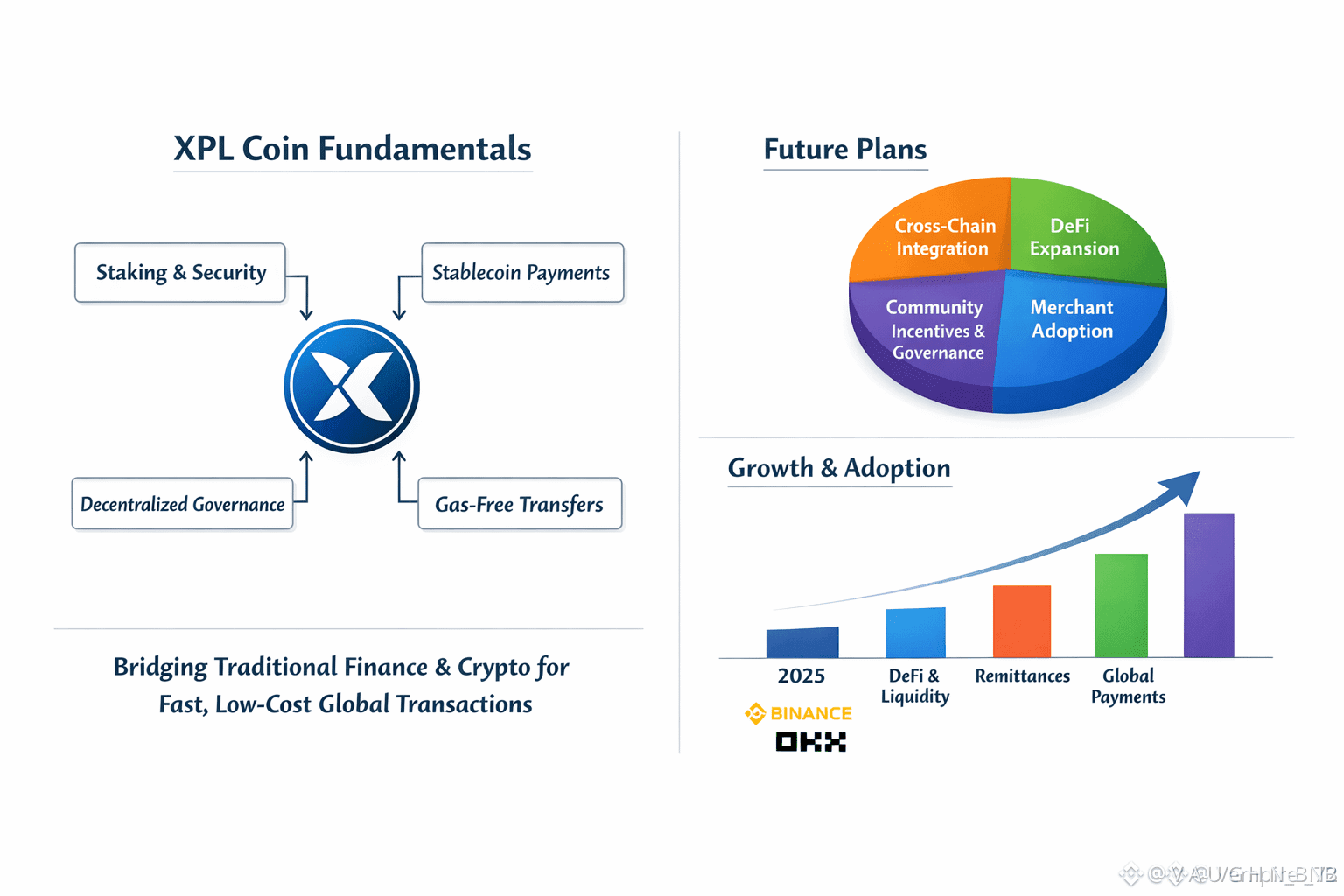
Zero fee transfers only work long term if the network prevents abuse, and Plasma’s design includes guardrails that matter. The sponsorship is scoped to simple USDT transfer actions rather than unlimited contract calls. They also describe eligibility checks and rate limits, which are common sense protections because any free system attracts spam if it is wide open. The network is basically saying we will make the common action simple, but we will not let attackers turn that generosity into a weapon against the chain. If those controls are implemented well, it becomes a stable foundation where honest users get a smooth payment experience and the network keeps costs bounded so it can keep offering the feature without collapsing under abuse.
Stablecoin first gas is the next step, and it is about everything beyond a simple transfer. Users still want to interact with apps, and apps need gas for swaps, deposits, contract calls, and more complex flows. Plasma supports paying gas in approved tokens like stablecoins through a paymaster style mechanism managed by the protocol. In plain words, the user can pay transaction fees using a stablecoin, and the network handles the gas payment logic behind the scenes. If you are new, this is huge because it removes the second big frustration, the feeling that you must buy a volatile token just to use the network. If you are a builder, this is huge because you can design an onboarding flow where the user lives inside stable value from the first minute, and it becomes much easier to build a payments app that feels like a normal finance product rather than a crypto maze.
Plasma also includes a roadmap toward confidential payments, which is a feature that matters more as stablecoins move from casual sending into real business settlement. Privacy is not only about secrecy, it is about safety and normal boundaries. Companies do not want competitors watching payroll and invoices. Workers do not want their income visible to the public. Families do not want every support transfer turned into a public record. Plasma frames confidentiality as an opt in stablecoin feature designed for practical finance use cases, and if it ships in a smooth way, it becomes another step toward stablecoins behaving more like real money in the situations where privacy is a reasonable expectation.
Security and neutrality are another major pillar, and Plasma emphasizes a Bitcoin anchored direction for stronger resistance to censorship and history rewriting. The simple idea is that anchoring state to Bitcoin can raise the cost of attacking or rewriting the settlement record, and it signals that the network wants to stay neutral when pressure increases. We’re seeing that payment rails eventually face real world pressure, and when that happens, neutrality is not a marketing word, it becomes protection for users. Plasma also describes a Bitcoin bridge direction that aims to bring Bitcoin into the network in a more trust minimized way, with components like deposit verification and managed withdrawal signing using multi party security. They are also clear that not everything is expected to be live in the earliest mainnet stage, which is important because bridges are high risk and the safest approach is careful staging rather than rushing.
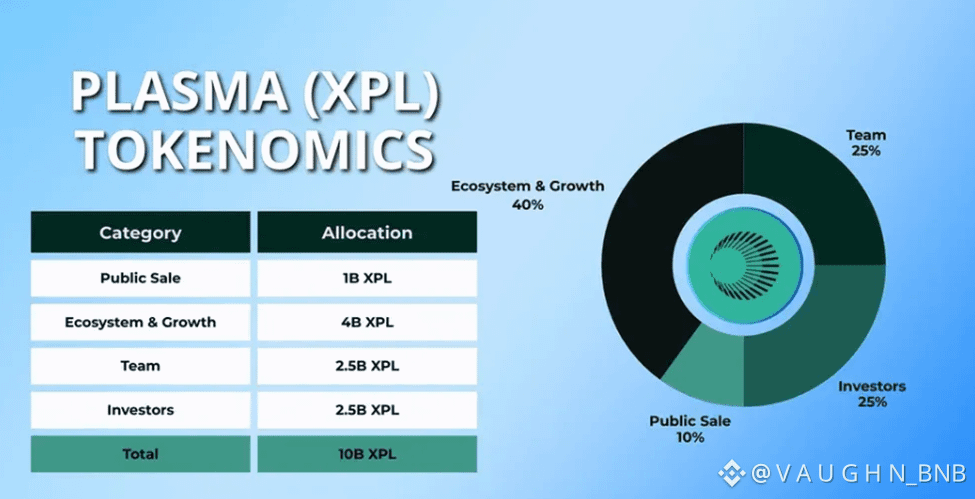
A network also needs an incentive system that can support validators and long term security, and Plasma uses a native token for network mechanics, governance direction, and incentives as the validator set expands. The public plan includes validator rewards that start higher and decline toward a lower baseline over time, which is a common approach to bootstrap participation while aiming for a sustainable steady state. If the network grows, staking and validator participation become central to decentralization and resilience, and it becomes harder for any small group to control the chain. For institutions, this matters because they want predictable settlement with clear security assumptions. For everyday users, this matters because a durable network keeps working through volatility, outages, and pressure, and people can build real habits on top of it.
So when you ask for network details, this is the story that stands out. Plasma is building a full Layer one where the execution environment is familiar through EVM compatibility, the consensus layer is built for very fast finality through a BFT design, and the stablecoin experience is improved through protocol level features that remove the most painful steps. Gasless USDT transfers aim to make the first payment feel effortless. Stablecoin first gas aims to keep users inside stable value even when they use apps. Bitcoin anchored security aims to raise the bar on neutrality and censorship resistance. And the validator and incentive plan aims to support long term security as the network decentralizes. They’re trying to turn stablecoin settlement into something you can trust with everyday life, not something you tiptoe around.
I want to close with the human part, because networks do not win only with speed, they win with confidence. When someone sends money, they are sending trust. They are sending hope, responsibility, and sometimes urgency. If Plasma delivers on its design, it becomes the kind of rail where people do not feel like they are taking a risk just to make a payment. It becomes a chain that respects time, reduces fear, and removes the feeling of being blocked by confusing steps. We’re seeing the world move toward stablecoins because people want control over their value and their payments, and if Plasma stays focused, this network can become a quiet backbone for that shift, a place where sending stable value feels simple, final, and fair, which is exactly what money should feel like.

