

The AI industry is entering a strange phase.
Everyone talks about powerful models, billion-parameter systems, and AI agents that can automate entire workflows. But underneath all the excitement, one important question is still unresolved:
Who actually owns the value created by AI?
Right now, most of the value flows toward centralized companies that control data pipelines, compute infrastructure, and model deployment. Users generate the data, communities improve systems indirectly, but very few people participate in the economic upside.
This is where OpenLedger becomes interesting.
OpenLedger is trying to build an AI-focused blockchain ecosystem where data, AI models, and autonomous agents become monetizable assets. Instead of treating AI like a closed product, the network treats intelligence as an open economy.
What caught my attention here is that OpenLedger is not only talking about decentralized AI. It is trying to create liquidity around the entire AI creation process.
That changes the conversation completely.
Datanets: The Core Idea Behind OpenLedger
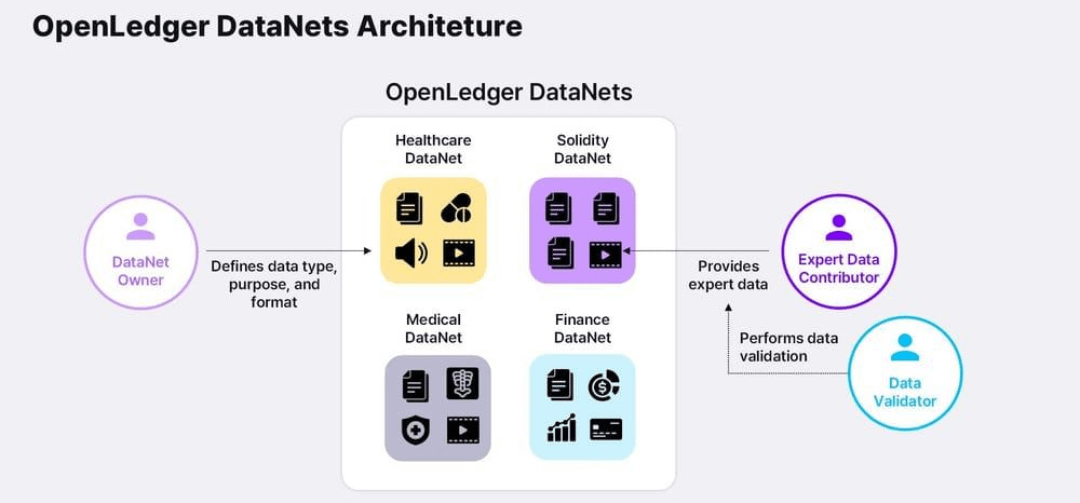
At the center of the ecosystem are something called Datanets.
A Datanet is basically a structured network for collecting, organizing, and monetizing high-quality data for specific AI use cases.
Instead of random internet scraping, OpenLedger focuses on specialized datasets. One Datanet could contain healthcare information. Another could focus on gaming behavior, legal research, financial analytics, or AI-generated media.
The important part is this:
Contributors are rewarded when their data actually helps improve AI systems.
That creates a completely different relationship between AI and users.
Normally, people unknowingly provide free data to large platforms. OpenLedger tries to turn that process into an incentive-driven economy where useful data becomes an earned asset.
This is where the idea becomes genuinely interesting.
I personally see this as one of the stronger narratives in decentralized AI because high-quality structured data is becoming more valuable than raw model size itself.
The AI race is slowly turning into a data race.
Validation Systems: Making Data Trustworthy
Of course, open contribution systems create another problem:
How do you verify whether submitted data is actually useful?
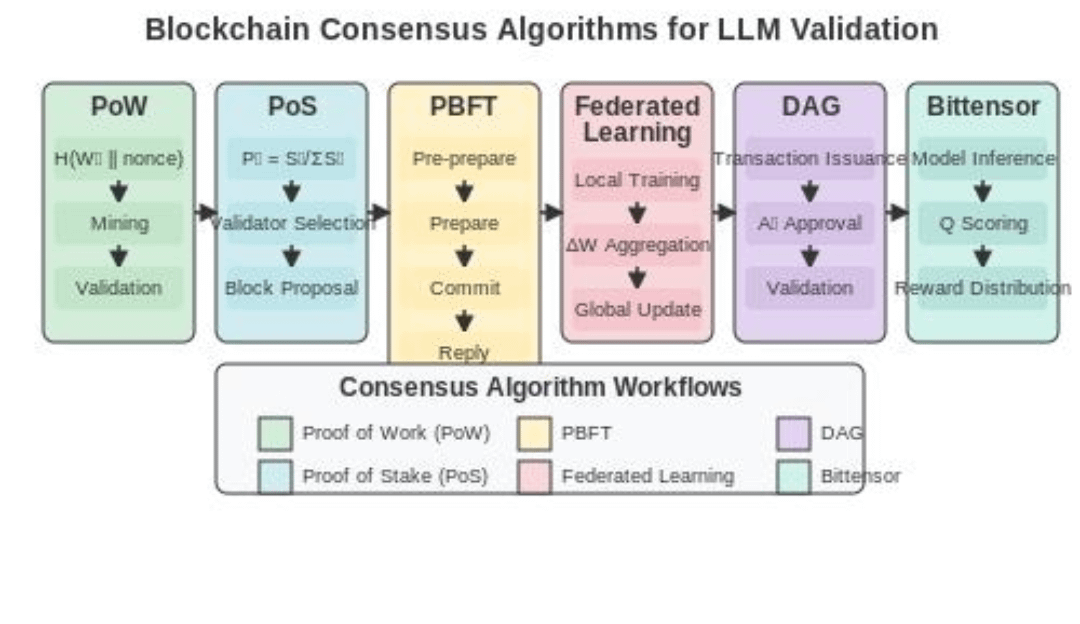
OpenLedger addresses this through validation systems.
Validators inside the ecosystem help assess data quality, usefulness, and performance impact. Instead of rewarding users simply for uploading massive amounts of information, the system attempts to reward meaningful contributions.
That creates a reputation layer around AI data.
Better data receives stronger validation. Better validation improves model performance. Improved models create more ecosystem value.
This feedback loop is important because most decentralized data systems fail when quality collapses.
I am not saying this system is perfect yet, but the direction feels far more sustainable than many AI crypto projects that rely only on token speculation.
What makes this model different is that validation itself becomes part of the economic engine.
In other words, trust is treated like infrastructure.
ModelFactory and Modular AI Development
Another major layer in the ecosystem is something called ModelFactory.
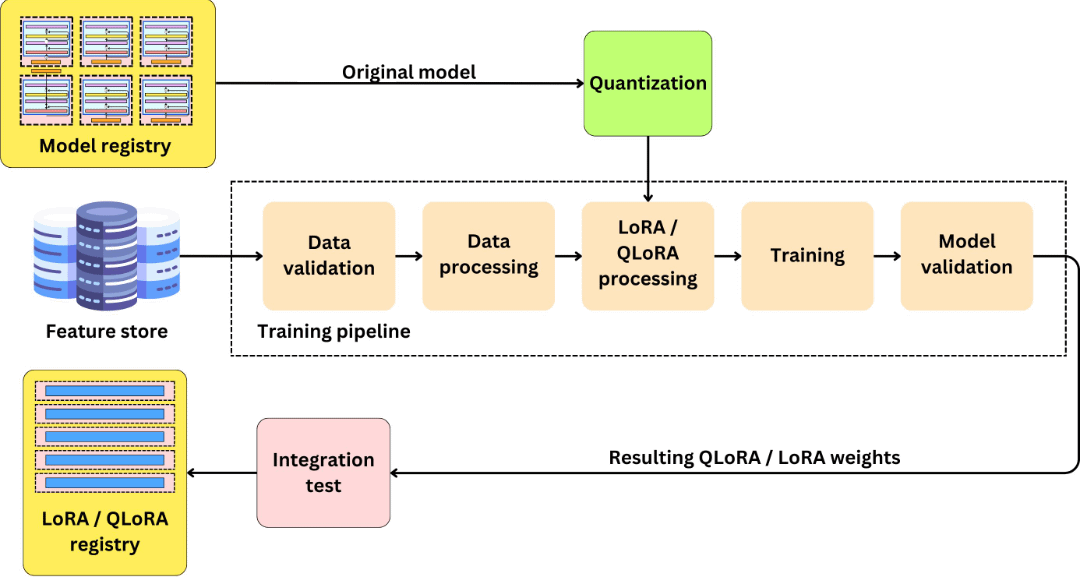
This is essentially OpenLedger’s AI infrastructure environment where developers can train, fine-tune, and deploy AI models using decentralized resources.
Instead of rebuilding entire AI systems from scratch, developers can use validated datasets, modular tools, and shared infrastructure.
This matters because modern AI development is moving toward specialization.
Smaller focused models are becoming increasingly useful for niche tasks, especially when combined with fine-tuning techniques like LoRA and QLoRA.
LoRA (Low-Rank Adaptation) and QLoRA are lightweight methods for adapting large language models efficiently without retraining entire systems.
In simpler terms, they reduce the cost of customization dramatically.
That lowers the barrier for smaller developers, independent researchers, and startup teams.
What I personally find compelling is that OpenLedger positions itself as infrastructure rather than just another AI application.
Infrastructure layers tend to matter more long term because other ecosystems build on top of them.
And in AI, the infrastructure war is only beginning.
AI Agents and Autonomous Coordination
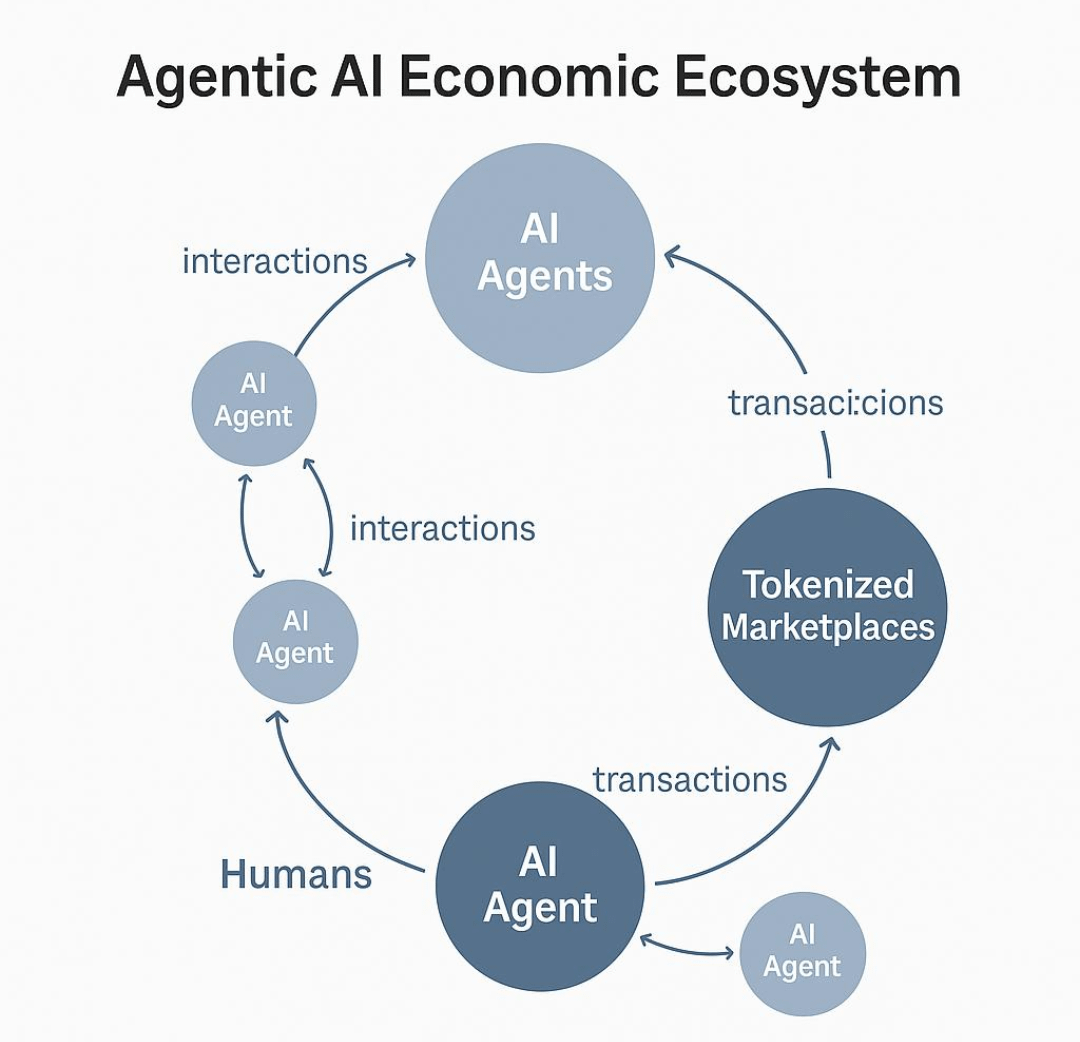
One of the most ambitious parts of the OpenLedger ecosystem involves AI agents.
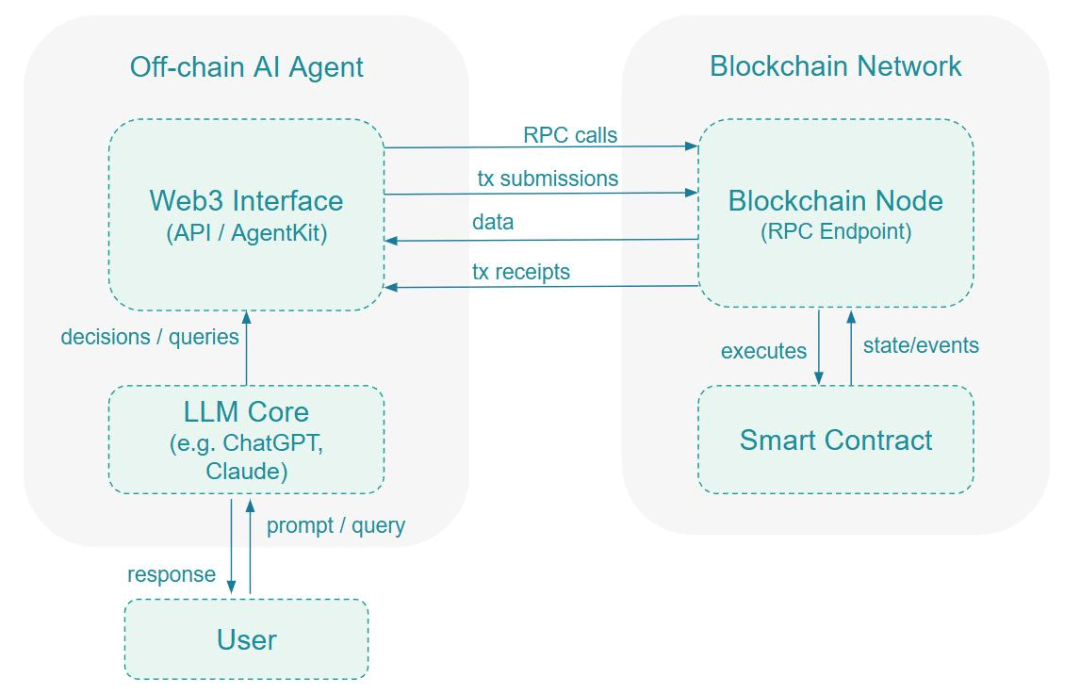
AI agents are evolving beyond chatbots. They can execute tasks, make decisions, analyze information, interact with APIs, and potentially coordinate workflows autonomously.
OpenLedger appears to treat agents as economic participants within the network.
That means agents may eventually access models, consume datasets, validate outputs, and generate economic activity directly on-chain.
This creates the possibility of autonomous AI economies where agents interact with decentralized infrastructure almost like digital workers.
That sounds futuristic, but parts of this transition are already happening across the broader AI ecosystem.
This is where OpenLedger starts feeling less like a normal crypto project and more like an experimental AI coordination layer.
Whether that vision fully succeeds is still uncertain, but the direction itself is worth paying attention to.
Turning Intelligence Into a Liquid Economy
Underneath all the technical layers, OpenLedger is trying to solve one fundamental issue:
How can intelligence become economically owned instead of centrally extracted?
The project’s ecosystem structure attempts to connect:
Data contributors
Validators
Model developers
AI infrastructure providers
Autonomous agents
Economic incentives
into one integrated system.
This is where the idea becomes bigger than just blockchain.
Data becomes an asset. Models become productive infrastructure. Agents become economic actors. Validation becomes the trust layer.
And liquidity flows through the entire network.
I personally think this is why OpenLedger stands out in the growing decentralized AI sector. Instead of focusing only on hype around AI tokens, it is exploring how value generated by AI can actually be distributed across participants.
That is a much deeper problem to solve.
And honestly, that may end up being the most important layer of AI infrastructure in the years ahead.
