


The Part That Took Me A While To Understand
I'll be honest — I spent a while dismissing the whole AI attribution conversation as noise.
Everyone in crypto eventually develops a filter for narratives that sound important but don't actually point at anything concrete. "AI + blockchain" was sitting firmly behind that filter for me for a long time.
What shifted my read was trying to actually trace where a modern AI output comes from. Not theoretically. Practically.
It got messy almost immediately. Community datasets feeding base models, separate fine-tunes from independent developers, retrieval layers pulling live context, user feedback loops reshaping behavior over time, orchestration frameworks coordinating execution underneath all of it. All overlapping, all influencing the final result in ways that genuinely resist clean separation.
And then one output appears at the surface and we're still talking about attribution like it's straightforward.
That's the part I couldn't get past.
Why Coordination Feels Like The Harder Problem
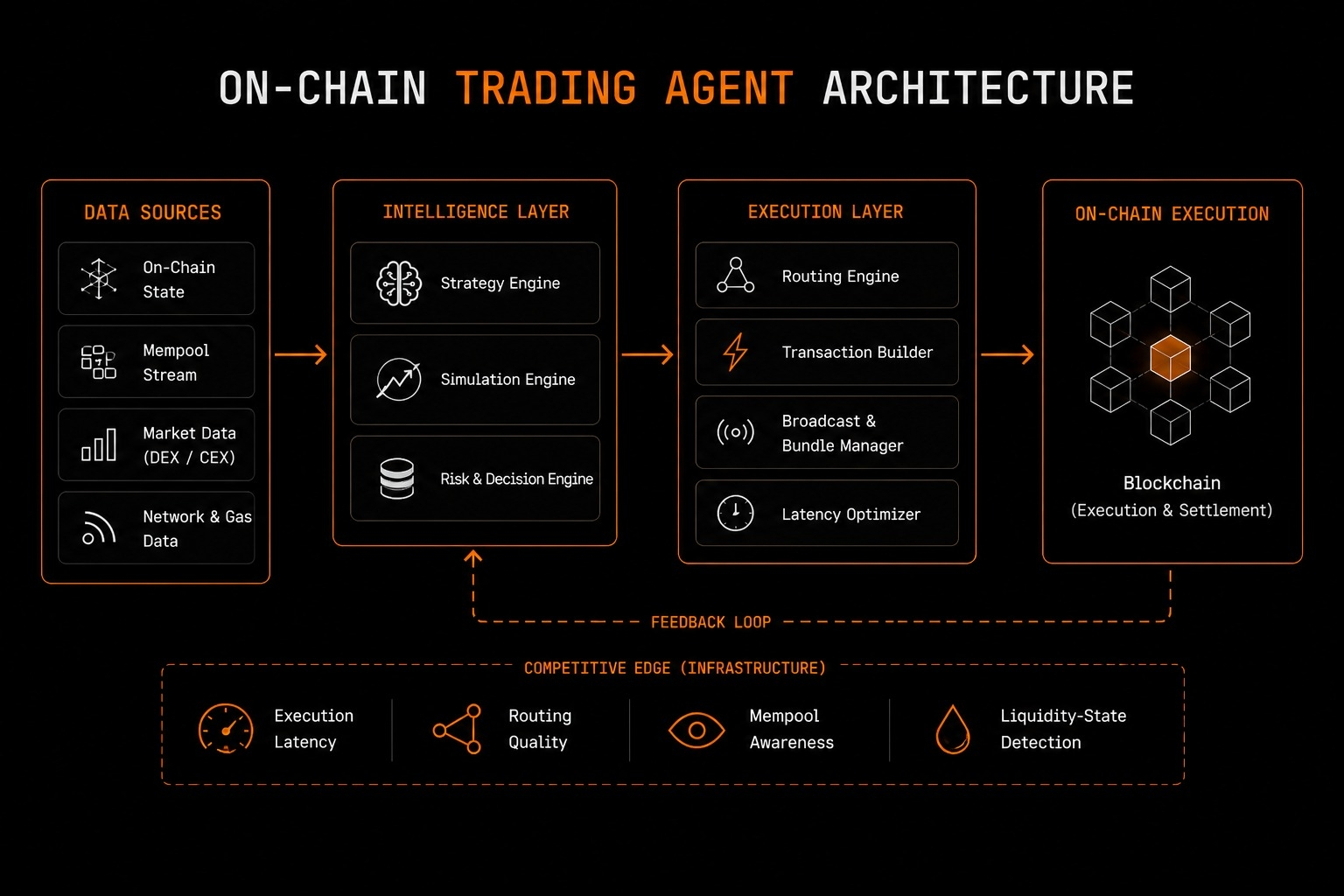
Most AI infrastructure conversation still revolves around capability — smarter models, cheaper inference, faster outputs — and obviously all of that matters.
But the more I look at where AI systems are actually heading, the less convinced I am that intelligence is the hardest remaining problem.
Coordination might be. Not technical coordination. More like coordinating ownership, attribution, accountability, and economic rights once AI systems start participating in real economic activity.
Because intelligence alone doesn't explain ownership. If ten different systems influence one decision, where does value attribution even begin and end? I tried mapping this out and honestly just ended up with arrows going everywhere like a conspiracy board 😭
That's what kept pulling me back to @OpenLedger differently than most projects in this space.
What Actually Makes OpenLedger Different
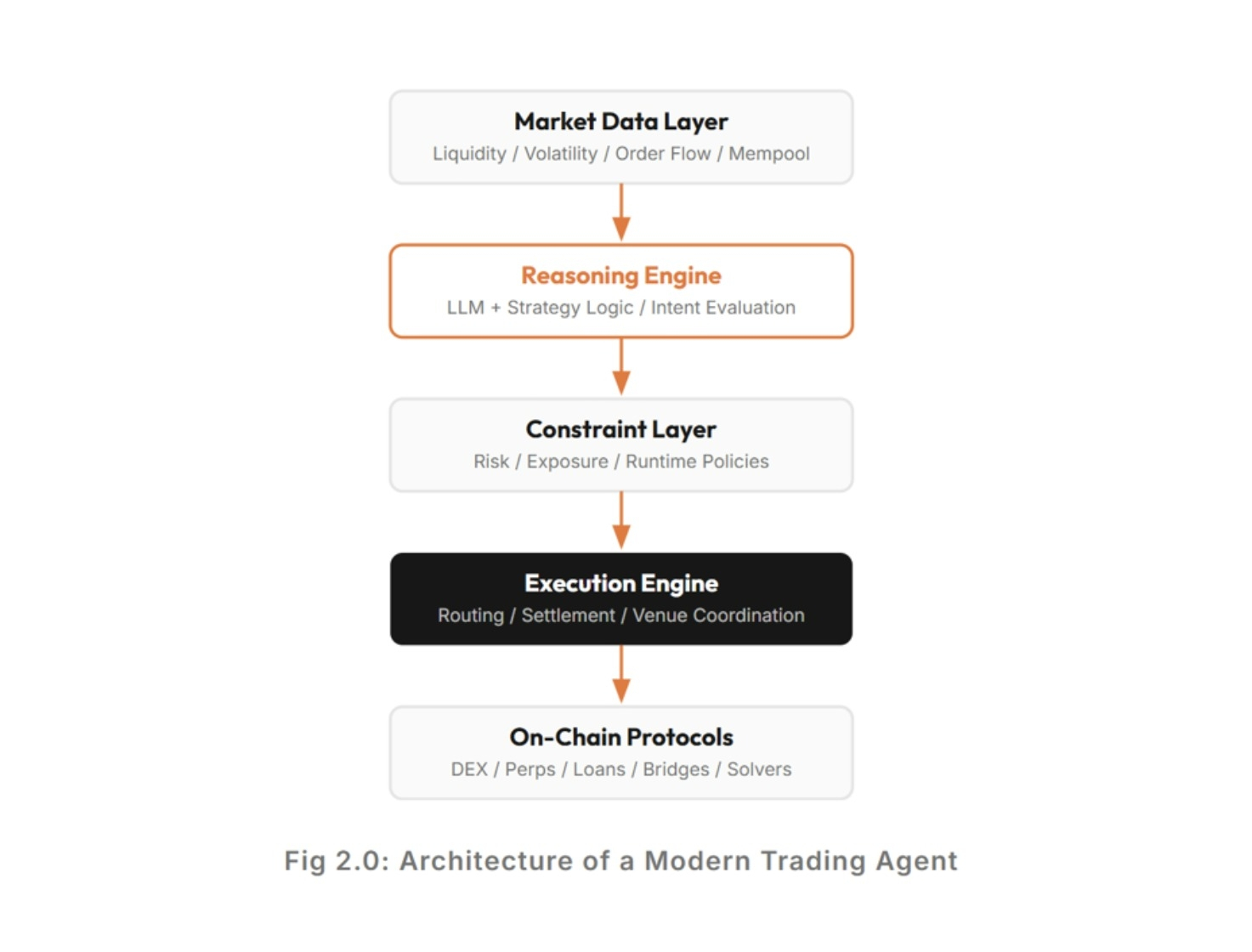
My initial read was skeptical. Filed it under "interesting narrative, big promises, lots of future-of-AI-economies language." I've read enough versions of that pitch to tune it out pretty automatically.
What changed was spending more time on the actual architecture rather than the surface framing.
The direction OpenLedger is building toward feels less about making AI more powerful and more about making AI behavior economically traceable. Their 2026 roadmap covers attribution infrastructure, agent economies, on-chain identity, verifiable data lineage, and autonomous payments. The idea being that AI systems shouldn't just generate outputs — they should preserve economic accountability around how those outputs were created and who contributed to them.
Their OPEN Mainnet already launched with Proof of Attribution, designed to track how datasets and models influence outputs and route rewards back to contributors automatically.
That's a meaningfully different problem than most AI projects are working on.
The "Payable AI" Idea Is Bigger Than It Sounds
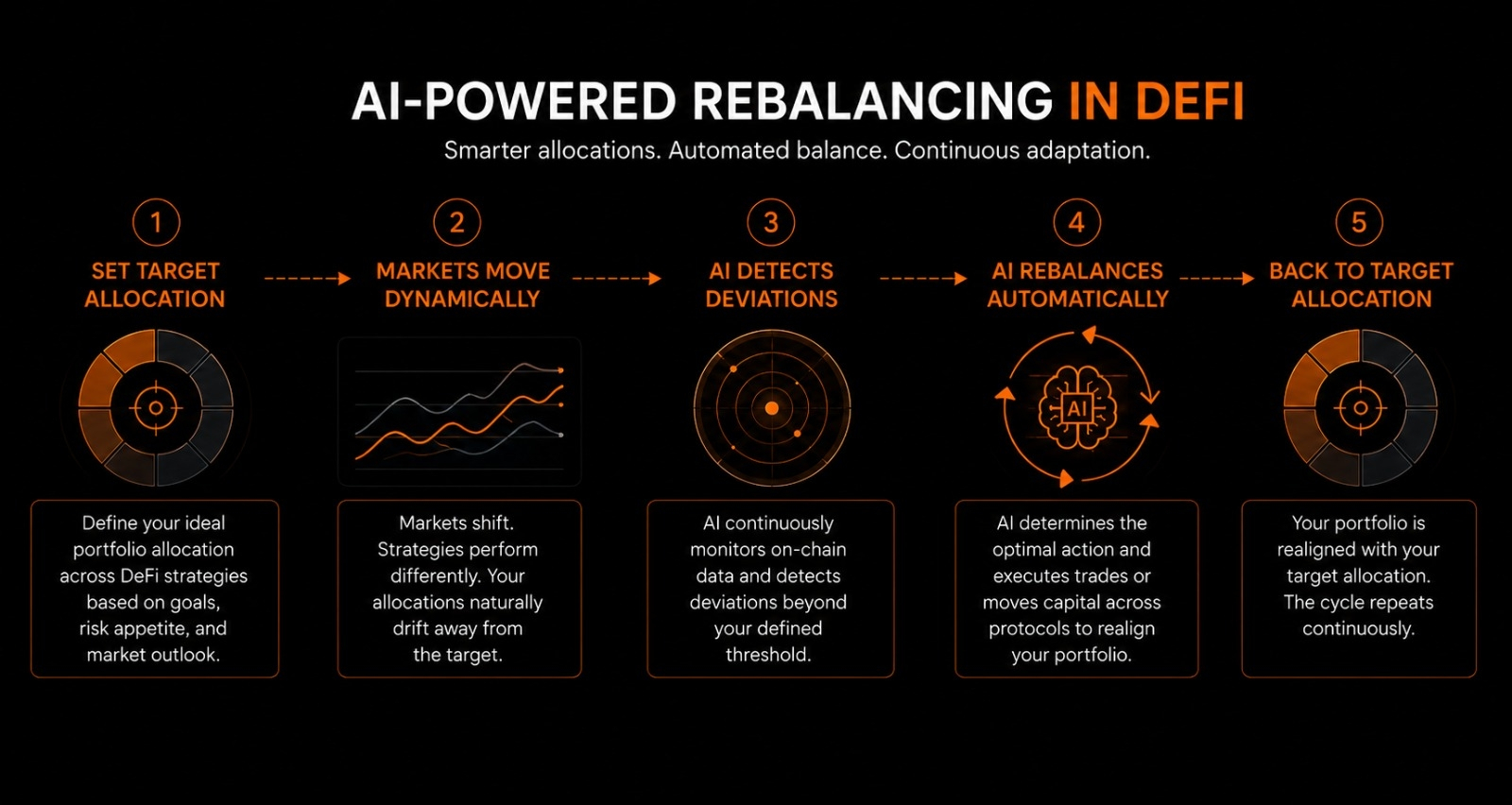
The concept OpenLedger keeps pushing — Payable AI — sounded like branding to me at first.
But underneath it is a genuinely interesting idea. AI systems where datasets, models, contributors, and agents can all be traced and compensated automatically through on-chain attribution infrastructure.
The more I think about it, the more attribution feels unavoidable once AI systems start coordinating real economic behavior. Markets demand accountability eventually. Especially once autonomous agents start handling workflows involving actual money, contracts, or execution rights at scale.
Their partnership with Story Protocol earlier this year pointed at something similar — creating standards for rights-cleared AI training and automatic creator payments. Intellectual property licensed into AI systems while preserving attribution and automated royalty distribution.
That sounds niche. But it points toward AI infrastructure slowly moving toward programmable ownership layers instead of operating inside legal gray zones indefinitely.
The Skeptical Part
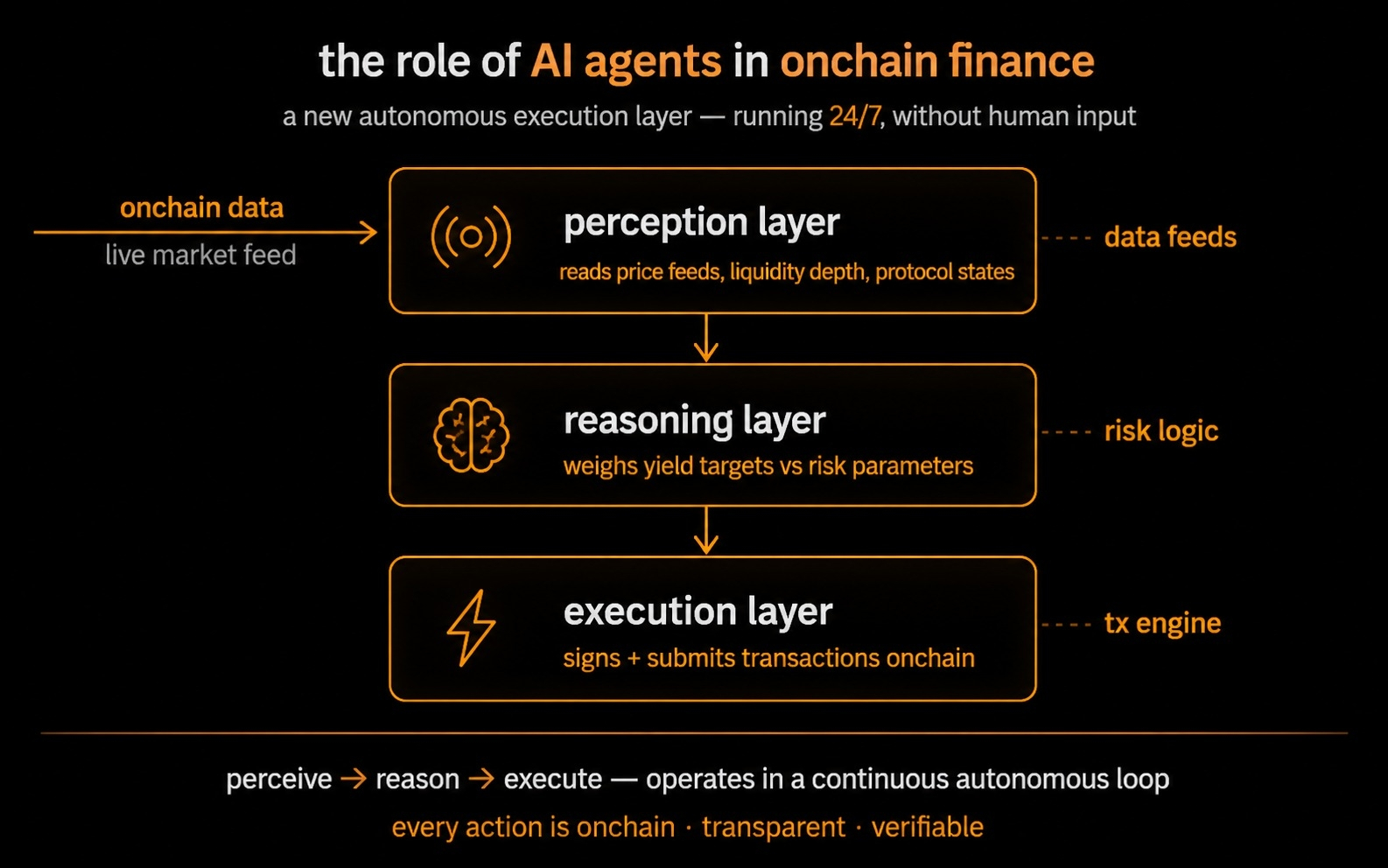
I should say this because otherwise this sounds cleaner than I actually feel about it.
Tracking contribution across layered AI systems sounds extraordinarily difficult in practice. Models influence other models in ways that are hard to unwind, synthetic data contaminates provenance, feedback loops reshape outputs over time in ways nobody fully planned for. And once real money gets seriously involved, people will find ways to game whatever attribution mechanisms exist — humans turned exploiting incentive systems into a civilization-wide competitive sport centuries ago, crypto just added leaderboards and anime profile pictures to it 😭
So I'm not sitting here thinking this is solved. A lot of AI infrastructure narratives still feel wildly ahead of real adoption.
But I do think the underlying problem is real. And infrastructure layers handling trust, coordination, and accountability tend to compound in importance over time rather than become less relevant.
Where I Keep Landing
The more I think about AI economies, the less convinced I am that intelligence alone captures the real long-term value layer.
Coordination might. Not just coordinating systems technically, but coordinating ownership, permissions, accountability, and economic rights across increasingly autonomous networks that weren't designed with any of that in mind.
Maybe OpenLedger becomes part of that infrastructure, maybe it doesn't — still feels genuinely early and I'd be skeptical of anyone speaking with certainty here.
But the deeper I look into AI systems, the less the hard problem feels like making intelligence smarter. It feels more like figuring out how intelligence participates inside economic systems without making accountability completely invisible.
Most infrastructure still feels unprepared for that. But someone has to start building it.
