
Md_Zafar_Alam
10.5K+ Seguiti
1.7K+ Follower
89 Mi piace
8 Condivisioni
Post
Tutti
Citazioni
Video
Live
PINNED
Visualizza traduzione
Its Meow time🐱🐱🐱
click to claim special gift for you
Red packet alert meow
click to claim special gift for you
Red packet alert meow
Visualizza traduzione
What are your thoughts on this guys?

DAVID BNB
·
--
Rialzista⭐ $MERL base completata mentre il momento inizia ad espandersi.
LONG: MERL
Entrata: 0.070 – 0.072
Stop-Loss: 0.052
TP1: 0.11
TP2: 0.14
TP3: 0.22
Dopo un'estesa consolidazione a seguito di un forte ribasso, $MERL sembra aver finalizzato la sua gamma di accumulazione. Il prezzo sta ora spingendo fuori dalla base con un momento in rafforzamento e una partecipazione in aumento, segnalando una potenziale fase di espansione.
La struttura 4H è diventata costruttiva, con minimi più alti che si formano e un offerta che si assottiglia durante i ritracciamenti. Finché 0.052 si mantiene, il bias più ampio favorisce la continuazione verso gli obiettivi al rialzo, con accelerazione possibile se il volume si mantiene.
Scambia $MERL qui 👇
{future}(MERLUSDT)
LONG: MERL
Entrata: 0.070 – 0.072
Stop-Loss: 0.052
TP1: 0.11
TP2: 0.14
TP3: 0.22
Dopo un'estesa consolidazione a seguito di un forte ribasso, $MERL sembra aver finalizzato la sua gamma di accumulazione. Il prezzo sta ora spingendo fuori dalla base con un momento in rafforzamento e una partecipazione in aumento, segnalando una potenziale fase di espansione.
La struttura 4H è diventata costruttiva, con minimi più alti che si formano e un offerta che si assottiglia durante i ritracciamenti. Finché 0.052 si mantiene, il bias più ampio favorisce la continuazione verso gli obiettivi al rialzo, con accelerazione possibile se il volume si mantiene.
Scambia $MERL qui 👇
{future}(MERLUSDT)
Visualizza traduzione
is this real meow?
🎁 AVVISO REGALO 🚨
Famiglia Binance, è tempo di VINCERE! 💛
Stiamo regalando USDT ai fortunati amanti delle criptovalute 💸
✅ Segui
✅ Metti mi piace & Commenta la tua moneta preferita
✅ Condividi questo post
⏳ I vincitori saranno annunciati presto!
#Binance #CryptoGiveaway #USDT #BNB #CryptoCommunity
Famiglia Binance, è tempo di VINCERE! 💛
Stiamo regalando USDT ai fortunati amanti delle criptovalute 💸
✅ Segui
✅ Metti mi piace & Commenta la tua moneta preferita
✅ Condividi questo post
⏳ I vincitori saranno annunciati presto!
#Binance #CryptoGiveaway #USDT #BNB #CryptoCommunity
Visualizza traduzione
Dusk
Founded in 2018, Dusk is a Layer-1 blockchain specifically designed to support regulated, privacy-centric financial infrastructure. As blockchain technology increasingly intersects with traditional finance, Dusk addresses a critical gap in the market: enabling on-chain financial activity that preserves confidentiality while remaining compliant with regulatory and audit requirements.
Unlike general-purpose blockchains that prioritize openness over discretion, Dusk is built with privacy and compliance by design. Financial institutions, enterprises, and regulated entities often handle sensitive data that cannot be exposed publicly, yet they must still demonstrate transparency to regulators. Dusk’s architecture is tailored to meet these needs, allowing confidential transactions alongside verifiable audit trails and selective disclosure mechanisms.
At the heart of the network is a modular architecture that enables developers to build flexible, institutional-grade applications. This modularity allows different components—such as privacy, settlement, and compliance layers—to be adapted depending on specific regulatory or business requirements. As a result, Dusk can support a wide range of financial use cases without forcing a one-size-fits-all model.
One of Dusk’s core strengths lies in its support for compliant decentralized finance (DeFi). While much of DeFi today operates in a permissionless and fully transparent environment, this structure often clashes with regulatory frameworks. Dusk enables DeFi applications that integrate privacy-preserving mechanisms, identity requirements, and compliance checks, making them suitable for institutional participation. This opens the door for regulated entities to engage with DeFi markets in a legally sound and risk-managed manner.
Dusk also plays a significant role in the tokenization of real-world assets (RWAs). Assets such as equities, bonds, real estate, and other financial instruments can be issued and managed on-chain while maintaining confidentiality around ownership and transaction details. At the same time, the network allows authorized parties to audit and verify activity when necessary. This balance is crucial for bringing traditional financial assets onto blockchain infrastructure at scale.
Privacy on Dusk does not mean opacity. Instead, the network emphasizes auditability with control, ensuring that data can be disclosed to regulators, auditors, or counterparties without exposing it publicly. This selective transparency model aligns closely with how traditional financial systems operate, making Dusk a natural bridge between legacy finance and decentralized technology.
From a broader perspective, Dusk is designed to serve as foundational infrastructure for institutional-grade financial applications, including digital securities, compliant marketplaces, and settlement systems. Its focus on regulation-friendly design, combined with blockchain efficiency, positions it as a long-term solution rather than a speculative platform.
In an environment where regulatory scrutiny of blockchain and digital assets continues to increase, Dusk’s approach is especially relevant. By embedding privacy, compliance, and auditability directly into the protocol, Dusk enables innovation without sacrificing trust or legal clarity.
Overall, Dusk represents a mature and forward-looking vision for blockchain adoption in finance. Rather than challenging regulation, it works alongside it—providing a secure, private, and compliant foundation for the next generation of financial infrastructure.
#dusk @Dusk $DUSK
Unlike general-purpose blockchains that prioritize openness over discretion, Dusk is built with privacy and compliance by design. Financial institutions, enterprises, and regulated entities often handle sensitive data that cannot be exposed publicly, yet they must still demonstrate transparency to regulators. Dusk’s architecture is tailored to meet these needs, allowing confidential transactions alongside verifiable audit trails and selective disclosure mechanisms.
At the heart of the network is a modular architecture that enables developers to build flexible, institutional-grade applications. This modularity allows different components—such as privacy, settlement, and compliance layers—to be adapted depending on specific regulatory or business requirements. As a result, Dusk can support a wide range of financial use cases without forcing a one-size-fits-all model.
One of Dusk’s core strengths lies in its support for compliant decentralized finance (DeFi). While much of DeFi today operates in a permissionless and fully transparent environment, this structure often clashes with regulatory frameworks. Dusk enables DeFi applications that integrate privacy-preserving mechanisms, identity requirements, and compliance checks, making them suitable for institutional participation. This opens the door for regulated entities to engage with DeFi markets in a legally sound and risk-managed manner.
Dusk also plays a significant role in the tokenization of real-world assets (RWAs). Assets such as equities, bonds, real estate, and other financial instruments can be issued and managed on-chain while maintaining confidentiality around ownership and transaction details. At the same time, the network allows authorized parties to audit and verify activity when necessary. This balance is crucial for bringing traditional financial assets onto blockchain infrastructure at scale.
Privacy on Dusk does not mean opacity. Instead, the network emphasizes auditability with control, ensuring that data can be disclosed to regulators, auditors, or counterparties without exposing it publicly. This selective transparency model aligns closely with how traditional financial systems operate, making Dusk a natural bridge between legacy finance and decentralized technology.
From a broader perspective, Dusk is designed to serve as foundational infrastructure for institutional-grade financial applications, including digital securities, compliant marketplaces, and settlement systems. Its focus on regulation-friendly design, combined with blockchain efficiency, positions it as a long-term solution rather than a speculative platform.
In an environment where regulatory scrutiny of blockchain and digital assets continues to increase, Dusk’s approach is especially relevant. By embedding privacy, compliance, and auditability directly into the protocol, Dusk enables innovation without sacrificing trust or legal clarity.
Overall, Dusk represents a mature and forward-looking vision for blockchain adoption in finance. Rather than challenging regulation, it works alongside it—providing a secure, private, and compliant foundation for the next generation of financial infrastructure.
#dusk @Dusk $DUSK
Visualizza traduzione
#dusk $DUSK Founded in 2018, Dusk is a Layer-1 blockchain purpose-built for regulated and privacy-focused financial infrastructure. Unlike general-purpose blockchains, Dusk is designed to meet the needs of institutions, enterprises, and financial service providers that require both confidentiality and compliance. Its core mission is to enable financial innovation without compromising regulatory requirements or data privacy.
Dusk’s modular architecture allows developers to build institutional-grade financial applications with flexibility and scalability. Privacy is embedded directly at the protocol level, ensuring sensitive financial data remains confidential, while still enabling selective disclosure and auditability when required by regulators or authorized parties. This balance makes Dusk particularly suited for compliant decentralized finance (DeFi) use cases.
The network supports a wide range of applications, including compliant DeFi products, digital securities, and tokenized real-world assets (RWAs). By combining zero-knowledge technology with transparent governance and compliance-friendly tooling, Dusk enables on-chain financial products that align with real-world legal frameworks.
Overall, Dusk positions itself as a foundational blockchain for the future of regulated finance—bridging traditional financial systems and decentralized technologies through privacy-by-design, audit-ready infrastructure, and institutional-grade performance.
Dusk’s modular architecture allows developers to build institutional-grade financial applications with flexibility and scalability. Privacy is embedded directly at the protocol level, ensuring sensitive financial data remains confidential, while still enabling selective disclosure and auditability when required by regulators or authorized parties. This balance makes Dusk particularly suited for compliant decentralized finance (DeFi) use cases.
The network supports a wide range of applications, including compliant DeFi products, digital securities, and tokenized real-world assets (RWAs). By combining zero-knowledge technology with transparent governance and compliance-friendly tooling, Dusk enables on-chain financial products that align with real-world legal frameworks.
Overall, Dusk positions itself as a foundational blockchain for the future of regulated finance—bridging traditional financial systems and decentralized technologies through privacy-by-design, audit-ready infrastructure, and institutional-grade performance.
Walrus
Walrus (WAL) è la criptovaluta nativa che alimenta il protocollo Walrus, un'infrastruttura abilitata per la finanza decentralizzata (DeFi) progettata per interazioni blockchain sicure, private e resistenti alla censura. Costruito sulla blockchain Sui, Walrus combina un'esecuzione ad alte prestazioni con un'architettura di archiviazione innovativa per affrontare una delle sfide più pressanti del Web3: disponibilità di dati scalabile, conveniente e che preserva la privacy.
A un livello alto, Walrus è progettato per supportare transazioni private, applicazioni decentralizzate (dApps), governance e staking—mentre agisce contemporaneamente come uno strato di dati decentralizzato capace di gestire grandi file in modo efficiente. Il token WAL si trova al centro di questo ecosistema, allineando gli incentivi tra utenti, sviluppatori e fornitori di infrastruttura.
A un livello alto, Walrus è progettato per supportare transazioni private, applicazioni decentralizzate (dApps), governance e staking—mentre agisce contemporaneamente come uno strato di dati decentralizzato capace di gestire grandi file in modo efficiente. Il token WAL si trova al centro di questo ecosistema, allineando gli incentivi tra utenti, sviluppatori e fornitori di infrastruttura.
Visualizza traduzione
#walrus $WAL Walrus (WAL) is the native cryptocurrency token of the Walrus protocol, a decentralized finance (DeFi) platform designed to enable secure, private, and censorship-resistant blockchain interactions. Built on the Sui blockchain, Walrus focuses on combining privacy, scalability, and efficient data management to support the next generation of decentralized applications.
At its core, the Walrus protocol supports private transactions, decentralized governance, and staking mechanisms that allow users to actively participate in securing and shaping the network. The WAL token plays a central role in the ecosystem, functioning as a utility token for transaction fees, staking rewards, and governance participation within Walrus-powered dApps.
A key innovation of the Walrus protocol lies in its approach to decentralized data storage. By using a combination of erasure coding and blob storage, Walrus efficiently distributes large files across a decentralized network. This design improves data availability, reduces storage costs, and enhances resistance to censorship or single points of failure.
The infrastructure is particularly suited for Web3 applications, enterprises, and individual users seeking privacy-preserving and cost-effective alternatives to traditional cloud storage. Overall, Walrus positions itself as a critical piece of decentralized infrastructure, bridging DeFi, private data storage, and scalable blockchain technology.
At its core, the Walrus protocol supports private transactions, decentralized governance, and staking mechanisms that allow users to actively participate in securing and shaping the network. The WAL token plays a central role in the ecosystem, functioning as a utility token for transaction fees, staking rewards, and governance participation within Walrus-powered dApps.
A key innovation of the Walrus protocol lies in its approach to decentralized data storage. By using a combination of erasure coding and blob storage, Walrus efficiently distributes large files across a decentralized network. This design improves data availability, reduces storage costs, and enhances resistance to censorship or single points of failure.
The infrastructure is particularly suited for Web3 applications, enterprises, and individual users seeking privacy-preserving and cost-effective alternatives to traditional cloud storage. Overall, Walrus positions itself as a critical piece of decentralized infrastructure, bridging DeFi, private data storage, and scalable blockchain technology.
Visualizza traduzione
Plasma: A Layer-1 Blockchain Built for the Stablecoin Economy
Below is a ~1000-word, long-form post/article based entirely on your provided description, written in a professional yet accessible style suitable for Medium, X (thread adaptation), LinkedIn, or a crypto blog.
Plasma: A Layer-1 Blockchain Built for the Stablecoin Economy
As stablecoins continue to become the backbone of global on-chain payments, remittances, and digital finance, the limitations of general-purpose blockchains are becoming increasingly clear. High fees, unpredictable finality, fragmented user experience, and infrastructure not optimized for payments have slowed real-world adoption. Plasma emerges in this context as a purpose-built Layer-1 blockchain tailored specifically for stablecoin settlement, designed to meet the needs of both retail users and institutions operating at scale.
Rather than positioning itself as a “do-everything” chain, Plasma takes a focused approach: optimize every layer of the stack around stablecoins. This specialization allows Plasma to deliver speed, reliability, neutrality, and usability—key requirements for a global settlement network.
Built as a True Layer-1 for Settlement
Plasma is not a sidechain or a Layer-2 solution. It is a sovereign Layer-1 blockchain, meaning it controls its own execution, consensus, and security model. This is critical for stablecoin settlement, where finality, censorship resistance, and predictable execution matter more than experimental features or short-term throughput gains.
At the execution layer, Plasma is fully EVM-compatible, built using Reth, a high-performance Ethereum execution client written in Rust. Full EVM compatibility ensures that developers can deploy existing smart contracts, tooling, and infrastructure without modification. Wallets, SDKs, indexers, and DeFi primitives designed for Ethereum can operate seamlessly on Plasma, significantly reducing developer friction.
This design choice positions Plasma as familiar territory for builders, while still allowing the chain to innovate at the protocol level.
Sub-Second Finality with PlasmaBFT
One of Plasma’s core technical differentiators is sub-second transaction finality, achieved through its custom consensus mechanism, PlasmaBFT. In payment and settlement systems, finality is non-negotiable. Users and institutions need confidence that once a transaction is confirmed, it cannot be reversed
Traditional probabilistic finality models—where transactions are considered “safe” only after many blocks—are ill-suited for real-time payments. PlasmaBFT addresses this by providing fast, deterministic finality, enabling near-instant settlement while maintaining strong safety guarantees.
This makes Plasma especially suitable for:
Point-of-sale paymentsCross-border remittancesMerchant settlementTreasury operationsInstitutional payment rails
In these contexts, seconds matter—and minutes are unacceptable
Stablecoin-First Design Philosophy
Unlike most blockchains, where stablecoins are treated as just another token, Plasma is designed from the ground up with stablecoins as the primary unit of account.
One of the most user-centric innovations is gasless USDT transfers. For everyday users, the requirement to hold a volatile native token just to pay fees is a major adoption barrier. Plasma removes this friction by allowing users to send stablecoins without needing a separate gas token.
In addition, Plasma introduces stablecoin-first gas, meaning transaction fees can be paid directly in stablecoins rather than a volatile native asset. This aligns the blockchain experience with real-world financial expectations, where users think in terms of dollars—not fluctuating tokens.
The result is a payment experience that feels intuitive, predictable, and accessible, particularly for users in regions with high stablecoin adoption.
Bitcoin-Anchored Security and Neutrality
Security and neutrality are central to Plasma’s design. To strengthen both, Plasma introduces Bitcoin-anchored security, leveraging Bitcoin’s unmatched track record as the most secure and censorship-resistant blockchain.
By anchoring critical state or checkpoints to Bitcoin, Plasma inherits an additional layer of trust minimization. This approach is designed to:
Increase censorship resistanceImprove political and economic neutralityReduce reliance on any single validator set or governance group
In a world where financial infrastructure increasingly intersects with geopolitics and regulation, neutrality is not optional. Bitcoin anchoring helps Plasma position itself as a settlement layer that is resistant to capture, interference, or unilateral control.
This design choice is especially relevant for stablecoins, which are often scrutinized, regulated, or restricted depending on jurisdiction.
Targeting Real Users, Not Just Crypto Natives
Plasma’s target audience is intentionally broad but clearly defined. On the retail side, it focuses on users in high stablecoin-adoption markets, where stablecoins are already used for savings, payments, and remittances due to currency instability or limited banking access
For these users, Plasma offers:
Low and predictable feesFast finalitySimple UX with gasless transactionsFamiliar EVM wallets and tools
On the institutional side, Plasma targets payments companies, financial institutions, fintech platforms, and infrastructure providers. These entities require
Reliable settlement guaranteesCompliance-friendly architectureHigh throughput and uptimeIntegration with existing Ethereum-based systems
By serving both ends of the spectrum, Plasma positions itself as a neutral settlement layer capable of supporting mass adoption without compromising on performance or security.
A Focused Alternative to General-Purpose Chains
Many Layer-1 blockchains aim to support every possible use case—gaming, NFTs, social, DeFi, AI—often at the cost of clarity and optimization. Plasma takes a different path. By focusing narrowly on stablecoin settlement, it can optimize consensus, fees, UX, and security for one of the most important use cases in crypto today.
This focus does not limit innovation. Instead, it creates a strong foundation for:
Payment-native DeFiStablecoin liquidity networksMerchant toolsOn-chain FX and treasury managementCross-border financial infrastructureAs stablecoins continue to grow into a multi-trillion-dollar market, the need for purpose-built settlement infrastructure will only increase.
Conclusion
Plasma represents a shift in how blockchains are designed—not as abstract platforms, but as financial infrastructure with a clear purpose. By combining full EVM compatibility, sub-second finality, stablecoin-native UX, and Bitcoin-anchored security, Plasma positions itself as a serious contender for the global stablecoin settlement layer.
#Plasma @Plasma $XPL
Plasma: A Layer-1 Blockchain Built for the Stablecoin Economy
As stablecoins continue to become the backbone of global on-chain payments, remittances, and digital finance, the limitations of general-purpose blockchains are becoming increasingly clear. High fees, unpredictable finality, fragmented user experience, and infrastructure not optimized for payments have slowed real-world adoption. Plasma emerges in this context as a purpose-built Layer-1 blockchain tailored specifically for stablecoin settlement, designed to meet the needs of both retail users and institutions operating at scale.
Rather than positioning itself as a “do-everything” chain, Plasma takes a focused approach: optimize every layer of the stack around stablecoins. This specialization allows Plasma to deliver speed, reliability, neutrality, and usability—key requirements for a global settlement network.
Built as a True Layer-1 for Settlement
Plasma is not a sidechain or a Layer-2 solution. It is a sovereign Layer-1 blockchain, meaning it controls its own execution, consensus, and security model. This is critical for stablecoin settlement, where finality, censorship resistance, and predictable execution matter more than experimental features or short-term throughput gains.
At the execution layer, Plasma is fully EVM-compatible, built using Reth, a high-performance Ethereum execution client written in Rust. Full EVM compatibility ensures that developers can deploy existing smart contracts, tooling, and infrastructure without modification. Wallets, SDKs, indexers, and DeFi primitives designed for Ethereum can operate seamlessly on Plasma, significantly reducing developer friction.
This design choice positions Plasma as familiar territory for builders, while still allowing the chain to innovate at the protocol level.
Sub-Second Finality with PlasmaBFT
One of Plasma’s core technical differentiators is sub-second transaction finality, achieved through its custom consensus mechanism, PlasmaBFT. In payment and settlement systems, finality is non-negotiable. Users and institutions need confidence that once a transaction is confirmed, it cannot be reversed
Traditional probabilistic finality models—where transactions are considered “safe” only after many blocks—are ill-suited for real-time payments. PlasmaBFT addresses this by providing fast, deterministic finality, enabling near-instant settlement while maintaining strong safety guarantees.
This makes Plasma especially suitable for:
Point-of-sale paymentsCross-border remittancesMerchant settlementTreasury operationsInstitutional payment rails
In these contexts, seconds matter—and minutes are unacceptable
Stablecoin-First Design Philosophy
Unlike most blockchains, where stablecoins are treated as just another token, Plasma is designed from the ground up with stablecoins as the primary unit of account.
One of the most user-centric innovations is gasless USDT transfers. For everyday users, the requirement to hold a volatile native token just to pay fees is a major adoption barrier. Plasma removes this friction by allowing users to send stablecoins without needing a separate gas token.
In addition, Plasma introduces stablecoin-first gas, meaning transaction fees can be paid directly in stablecoins rather than a volatile native asset. This aligns the blockchain experience with real-world financial expectations, where users think in terms of dollars—not fluctuating tokens.
The result is a payment experience that feels intuitive, predictable, and accessible, particularly for users in regions with high stablecoin adoption.
Bitcoin-Anchored Security and Neutrality
Security and neutrality are central to Plasma’s design. To strengthen both, Plasma introduces Bitcoin-anchored security, leveraging Bitcoin’s unmatched track record as the most secure and censorship-resistant blockchain.
By anchoring critical state or checkpoints to Bitcoin, Plasma inherits an additional layer of trust minimization. This approach is designed to:
Increase censorship resistanceImprove political and economic neutralityReduce reliance on any single validator set or governance group
In a world where financial infrastructure increasingly intersects with geopolitics and regulation, neutrality is not optional. Bitcoin anchoring helps Plasma position itself as a settlement layer that is resistant to capture, interference, or unilateral control.
This design choice is especially relevant for stablecoins, which are often scrutinized, regulated, or restricted depending on jurisdiction.
Targeting Real Users, Not Just Crypto Natives
Plasma’s target audience is intentionally broad but clearly defined. On the retail side, it focuses on users in high stablecoin-adoption markets, where stablecoins are already used for savings, payments, and remittances due to currency instability or limited banking access
For these users, Plasma offers:
Low and predictable feesFast finalitySimple UX with gasless transactionsFamiliar EVM wallets and tools
On the institutional side, Plasma targets payments companies, financial institutions, fintech platforms, and infrastructure providers. These entities require
Reliable settlement guaranteesCompliance-friendly architectureHigh throughput and uptimeIntegration with existing Ethereum-based systems
By serving both ends of the spectrum, Plasma positions itself as a neutral settlement layer capable of supporting mass adoption without compromising on performance or security.
A Focused Alternative to General-Purpose Chains
Many Layer-1 blockchains aim to support every possible use case—gaming, NFTs, social, DeFi, AI—often at the cost of clarity and optimization. Plasma takes a different path. By focusing narrowly on stablecoin settlement, it can optimize consensus, fees, UX, and security for one of the most important use cases in crypto today.
This focus does not limit innovation. Instead, it creates a strong foundation for:
Payment-native DeFiStablecoin liquidity networksMerchant toolsOn-chain FX and treasury managementCross-border financial infrastructureAs stablecoins continue to grow into a multi-trillion-dollar market, the need for purpose-built settlement infrastructure will only increase.
Conclusion
Plasma represents a shift in how blockchains are designed—not as abstract platforms, but as financial infrastructure with a clear purpose. By combining full EVM compatibility, sub-second finality, stablecoin-native UX, and Bitcoin-anchored security, Plasma positions itself as a serious contender for the global stablecoin settlement layer.
#Plasma @Plasma $XPL
#plasma $XPL
Plasma Coin (PLASMA) è un concetto di criptovaluta ispirato all'idea di velocità, scalabilità e energia, proprio come il plasma stesso—il quarto stato della materia. Plasma Coin è generalmente associato a soluzioni blockchain di nuova generazione che mirano a migliorare l'efficienza delle transazioni, le basse commissioni e l'elevato throughput, affrontando le comuni limitazioni riscontrate nelle reti blockchain tradizionali.
La visione centrale dietro Plasma Coin si concentra sulla possibilità di abilitare transazioni rapide ed economiche, rendendolo adatto per casi d'uso del mondo reale come finanza decentralizzata (DeFi), pagamenti digitali, NFT e applicazioni Web3. Sfruttando tecniche di scalabilità avanzate e un'architettura di rete ottimizzata, Plasma Coin cerca di supportare un ecosistema in crescita senza compromettere la sicurezza o la decentralizzazione.
Plasma Coin è spesso posizionato anche come un token di utilità, utilizzato per le commissioni di transazione, staking, partecipazione alla governance o accesso a servizi specifici all'interno del suo ecosistema. Con la crescita dell'adozione, il valore del token è strettamente legato all'uso della rete, all'attività di sviluppo e al supporto della comunità.
Come tutti gli asset crittografici, Plasma Coin è soggetto a volatilità di mercato e il suo successo a lungo termine dipende da un'innovazione costante, da uno sviluppo trasparente e dall'adozione nel mondo reale. In generale, Plasma Coin rappresenta il movimento più ampio verso un'infrastruttura blockchain più veloce e scalabile, progettata per soddisfare le esigenze dell'economia digitale futura.
Plasma Coin (PLASMA) è un concetto di criptovaluta ispirato all'idea di velocità, scalabilità e energia, proprio come il plasma stesso—il quarto stato della materia. Plasma Coin è generalmente associato a soluzioni blockchain di nuova generazione che mirano a migliorare l'efficienza delle transazioni, le basse commissioni e l'elevato throughput, affrontando le comuni limitazioni riscontrate nelle reti blockchain tradizionali.
La visione centrale dietro Plasma Coin si concentra sulla possibilità di abilitare transazioni rapide ed economiche, rendendolo adatto per casi d'uso del mondo reale come finanza decentralizzata (DeFi), pagamenti digitali, NFT e applicazioni Web3. Sfruttando tecniche di scalabilità avanzate e un'architettura di rete ottimizzata, Plasma Coin cerca di supportare un ecosistema in crescita senza compromettere la sicurezza o la decentralizzazione.
Plasma Coin è spesso posizionato anche come un token di utilità, utilizzato per le commissioni di transazione, staking, partecipazione alla governance o accesso a servizi specifici all'interno del suo ecosistema. Con la crescita dell'adozione, il valore del token è strettamente legato all'uso della rete, all'attività di sviluppo e al supporto della comunità.
Come tutti gli asset crittografici, Plasma Coin è soggetto a volatilità di mercato e il suo successo a lungo termine dipende da un'innovazione costante, da uno sviluppo trasparente e dall'adozione nel mondo reale. In generale, Plasma Coin rappresenta il movimento più ampio verso un'infrastruttura blockchain più veloce e scalabile, progettata per soddisfare le esigenze dell'economia digitale futura.
Visualizza traduzione
Vanar on fire
Vanar Chain has been making notable strides as it positions itself as an AI-native Layer-1 blockchain, aiming to bridge the gap between Web3 and artificial intelligence. In late January 2026, Vanar emphasized its focus on integrating AI models such as Neutron and Kayon directly into its blockchain architecture. This move targets key Web3 challenges by offering ultra-low transaction fees (around $0.0005) and sub-second AI inference, making the network attractive for enterprises, brands, and developers seeking scalable and cost-effective AI solutions.
A major highlight was Vanar Chain’s entry into the NVIDIA Inception Program, granting it access to NVIDIA’s advanced AI, graphics, and development resources. This collaboration is expected to accelerate innovation, especially in immersive technologies, gaming, and AI-driven decentralized applications within the Vanar ecosystem.
Earlier in January, Vanar also unveiled its AI-native stack, signaling a shift toward operational AI infrastructure. Products like myNeutron and Kayon are moving to subscription-based models, designed to increase real-world utility and demand for the VANRY token.
Despite these technological advances, VANRY experienced market volatility, hitting an all-time low in December 2025, reflecting broader bearish sentiment. However, with protocol upgrades completed in late 2025 and a clear AI-first vision, Vanar Chain appears focused on long-term growth and ecosystem development rather than short-term price movements.
VANRY (Vanar Chain) Update 🔥
Vanar Chain is rapidly positioning itself as an AI-native Layer-1 blockchain, integrating AI models like Neutron and Kayon directly into its architecture. With ultra-low fees (~$0.0005) and sub-second AI inference, the project aims to solve key Web3 scalability and cost challenges while attracting enterprises and developers.
A major boost came from Vanar joining the NVIDIA Inception Program, gaining access to advanced AI and graphics resources to accelerate innovation across gaming, immersive tech, and AI-powered dApps. Earlier in January, Vanar also launched its AI-native stack, shifting products such as myNeutron and Kayon to subscription models to drive real utility and demand for the VANRY token.
While VANRY hit an all-time low in December 2025 amid market volatility, recent upgrades and a strong AI-first roadmap highlight Vanar Chain’s focus on long-term ecosystem growth.
#vanar @Vanar $VANRY @vanar
A major highlight was Vanar Chain’s entry into the NVIDIA Inception Program, granting it access to NVIDIA’s advanced AI, graphics, and development resources. This collaboration is expected to accelerate innovation, especially in immersive technologies, gaming, and AI-driven decentralized applications within the Vanar ecosystem.
Earlier in January, Vanar also unveiled its AI-native stack, signaling a shift toward operational AI infrastructure. Products like myNeutron and Kayon are moving to subscription-based models, designed to increase real-world utility and demand for the VANRY token.
Despite these technological advances, VANRY experienced market volatility, hitting an all-time low in December 2025, reflecting broader bearish sentiment. However, with protocol upgrades completed in late 2025 and a clear AI-first vision, Vanar Chain appears focused on long-term growth and ecosystem development rather than short-term price movements.
VANRY (Vanar Chain) Update 🔥
Vanar Chain is rapidly positioning itself as an AI-native Layer-1 blockchain, integrating AI models like Neutron and Kayon directly into its architecture. With ultra-low fees (~$0.0005) and sub-second AI inference, the project aims to solve key Web3 scalability and cost challenges while attracting enterprises and developers.
A major boost came from Vanar joining the NVIDIA Inception Program, gaining access to advanced AI and graphics resources to accelerate innovation across gaming, immersive tech, and AI-powered dApps. Earlier in January, Vanar also launched its AI-native stack, shifting products such as myNeutron and Kayon to subscription models to drive real utility and demand for the VANRY token.
While VANRY hit an all-time low in December 2025 amid market volatility, recent upgrades and a strong AI-first roadmap highlight Vanar Chain’s focus on long-term ecosystem growth.
#vanar @Vanar $VANRY @vanar
Visualizza traduzione
#vanar $VANRY
Vanar Chain has been making notable strides as it positions itself as an AI-native Layer-1 blockchain, aiming to bridge the gap between Web3 and artificial intelligence. In late January 2026, Vanar emphasized its focus on integrating AI models such as Neutron and Kayon directly into its blockchain architecture. This move targets key Web3 challenges by offering ultra-low transaction fees (around $0.0005) and sub-second AI inference, making the network attractive for enterprises, brands, and developers seeking scalable and cost-effective AI solutions.
A major highlight was Vanar Chain’s entry into the NVIDIA Inception Program, granting it access to NVIDIA’s advanced AI, graphics, and development resources. This collaboration is expected to accelerate innovation, especially in immersive technologies, gaming, and AI-driven decentralized applications within the Vanar ecosystem.
Vanar Chain has been making notable strides as it positions itself as an AI-native Layer-1 blockchain, aiming to bridge the gap between Web3 and artificial intelligence. In late January 2026, Vanar emphasized its focus on integrating AI models such as Neutron and Kayon directly into its blockchain architecture. This move targets key Web3 challenges by offering ultra-low transaction fees (around $0.0005) and sub-second AI inference, making the network attractive for enterprises, brands, and developers seeking scalable and cost-effective AI solutions.
A major highlight was Vanar Chain’s entry into the NVIDIA Inception Program, granting it access to NVIDIA’s advanced AI, graphics, and development resources. This collaboration is expected to accelerate innovation, especially in immersive technologies, gaming, and AI-driven decentralized applications within the Vanar ecosystem.
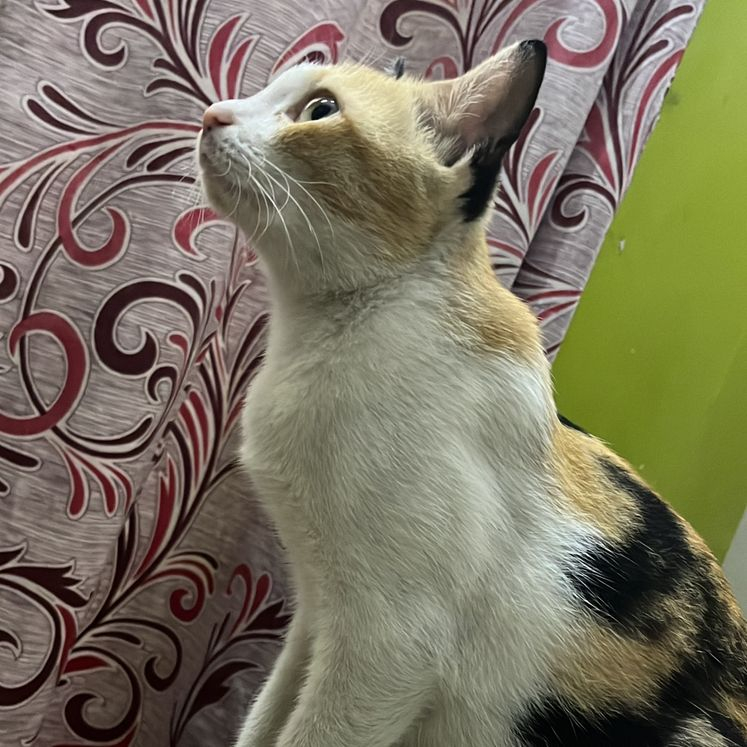
“Ehi umani 👋 Sono occupato a cercare cibo in questo momento... parliamo dopo 😼”
Visualizza traduzione
🐱what you say should i eat $VANRY
VANRY (Vanar Chain) Update 🔥
Vanar Chain is rapidly positioning itself as an AI-native Layer-1 blockchain, integrating AI models like Neutron and Kayon directly into its architecture. With ultra-low fees (~$0.0005) and sub-second AI inference, the project aims to solve key Web3 scalability and cost challenges while attracting enterprises and developers.
A major boost came from Vanar joining the NVIDIA Inception Program, gaining access to advanced AI and graphics resources to accelerate innovation across gaming, immersive tech, and AI-powered dApps. Earlier in January, Vanar also launched its AI-native stack, shifting products such as myNeutron and Kayon to subscription models to drive real utility and demand for the VANRY token.
While VANRY hit an all-time low in December 2025 amid market volatility, recent upgrades and a strong AI-first roadmap highlight Vanar Chain’s focus on long-term ecosystem growth.
VANRY (Vanar Chain) Update 🔥
Vanar Chain is rapidly positioning itself as an AI-native Layer-1 blockchain, integrating AI models like Neutron and Kayon directly into its architecture. With ultra-low fees (~$0.0005) and sub-second AI inference, the project aims to solve key Web3 scalability and cost challenges while attracting enterprises and developers.
A major boost came from Vanar joining the NVIDIA Inception Program, gaining access to advanced AI and graphics resources to accelerate innovation across gaming, immersive tech, and AI-powered dApps. Earlier in January, Vanar also launched its AI-native stack, shifting products such as myNeutron and Kayon to subscription models to drive real utility and demand for the VANRY token.
While VANRY hit an all-time low in December 2025 amid market volatility, recent upgrades and a strong AI-first roadmap highlight Vanar Chain’s focus on long-term ecosystem growth.
La mia famiglia 💕💕… Come sta la tua famiglia hoooomaaan? 🐱😸 $CATI
@Binance_Square_Official
@Binance_Square_Official
Questo è mio sorella. Faccio una guardia. Non toccare 😼” $CATI
@Binance_Square_Official
@Binance_Square_Official
Goooood niiiiighty hooooomaaan $CATI
@Binance_Square_Official
@Binance_Square_Official
Visualizza traduzione
Goooood Mooorning Hooooomaaaan💕💕💕
Cosa pensi, dove si trova Satoshi?
😎😎😎😎
😎😎😎😎
🎙️ btc jump

Fine
30 m 19 s
96
0
Accedi per esplorare altri contenuti