
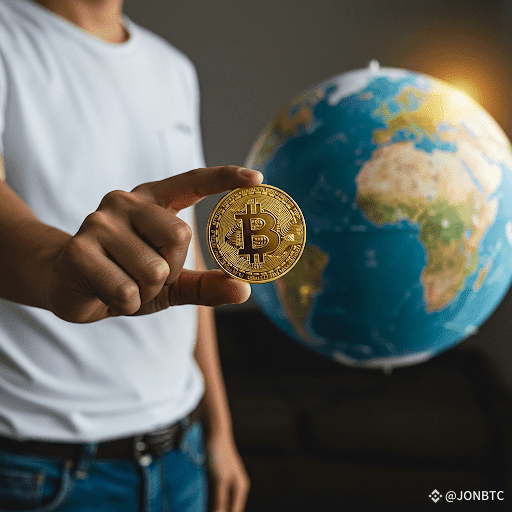
The cryptocurrency industry is growing at a rapid pace, and as it does, governments around the world are scrambling to keep up with the latest developments. In recent months, there have been a number of significant regulatory changes that have impacted the cryptocurrency market.
United States
In the United States, the Securities and Exchange Commission (SEC) has been taking a tough stance on initial coin offerings (ICOs). In March, the SEC filed a lawsuit against Kik Interactive, the company behind the messaging app Kik Messenger, for conducting an unregistered ICO. The SEC alleges that Kik raised $175 million from investors by selling unregistered securities.
In addition to the SEC, other U.S. regulators are also taking action against cryptocurrencies. In April, the Commodity Futures Trading Commission (CFTC) filed a lawsuit against BitMEX, a cryptocurrency exchange, for allegedly violating U.S. commodities laws. The CFTC alleges that BitMEX allowed customers to trade unregistered derivatives contracts, including Bitcoin futures.
Europe
In Europe, the European Union (EU) is working on a new regulatory framework for cryptocurrencies. The proposed framework, known as the Markets in Crypto-Assets (MiCA) Regulation, would create a licensing regime for cryptocurrency exchanges and other service providers. The MiCA Regulation would also require crypto companies to comply with anti-money laundering and consumer protection rules.
In addition to the EU, individual countries in Europe are also taking steps to regulate cryptocurrencies. In Germany, for example, the Federal Financial Supervisory Authority (BaFin) has issued a warning to investors about the risks of investing in cryptocurrencies. In France, the Autorité des Marchés Financiers (AMF) has banned the sale of certain types of cryptocurrencies.
Asia
In Asia, several countries have taken steps to regulate cryptocurrencies. In Japan, the Financial Services Agency (FSA) has licensed a number of cryptocurrency exchanges. In Singapore, the Monetary Authority of Singapore (MAS) has issued a code of conduct for cryptocurrency businesses.
In China, the government has taken a more restrictive approach to cryptocurrencies. In 2017, the Chinese government banned initial coin offerings (ICOs). In 2019, the government banned cryptocurrency exchanges.
Latin America
In Latin America, several countries have taken steps to regulate cryptocurrencies. In Brazil, the Central Bank of Brazil has issued a regulatory sandbox for cryptocurrency businesses. In Argentina, the National Securities Commission (CNV) has issued a warning to investors about the risks of investing in cryptocurrencies.
Africa
In Africa, several countries have taken steps to regulate cryptocurrencies. In South Africa, the Financial Sector Conduct Authority (FSCA) has issued a warning to investors about the risks of investing in cryptocurrencies. In Nigeria, the Central Bank of Nigeria (CBN) has banned banks from dealing with cryptocurrency exchanges.
What does the future hold for cryptocurrency regulation?
It is difficult to say for sure what the future holds for cryptocurrency regulation. However, it is likely that governments around the world will continue to take steps to regulate the industry. This is because cryptocurrencies pose a number of challenges, including:
Money laundering: Cryptocurrencies can be used to launder money because they are anonymous and difficult to trace.
Tax evasion: Cryptocurrencies can be used to evade taxes because they are not subject to the same reporting requirements as traditional currencies.
Market manipulation: Cryptocurrencies can be manipulated by large investors, which can lead to losses for retail investors.
Despite the challenges, cryptocurrencies have the potential to revolutionize the financial system. They are more efficient, secure, and transparent than traditional financial systems. As the cryptocurrency industry continues to grow, it is important for governments to find a way to regulate the industry in a way that protects consumers and promotes innovation.
Conclusion
The cryptocurrency industry is still in its early stages, and the regulatory landscape is constantly evolving. It is important for investors to stay up-to-date on the latest regulatory developments. Investors should also be aware of the risks involved in investing in cryptocurrencies.
Additional resources:
SEC sues Kik for conducting unregistered ICO
CFTC sues BitMEX for allegedly violating U.S. commodities laws
EU proposes new regulatory framework for cryptocurrencies
Germany warns investors about the risks of investing in cryptocurrencies
France bans the sale of certain types of cryptocurrencies
Japan licenses a number of cryptocurrency exchanges
Singapore issues a code of conduct for cryptocurrency businesses
China bans initial coin offerings (ICOs)
China bans cryptocurrency exchanges
Brazil issues a regulatory sandbox for cryptocurrency businesses
Argentina warns investors about the risks of investing in cryptocurrencies
South Africa warns investors about the risks of investing in cryptocurrencies
Nigeria bans banks from dealing with cryptocurrency exchanges
