
Validator Count Real Strength
Crypto has long promoted the idea that more validators automatically mean stronger security. But higher numbers can also increase noise, delays, and coordination complexity.
Participation Is Not Always Power
Constant global validator activity may sound secure, but it can create latency variance and messy communication loops.
Challenging the “Always Online” Model
Most blockchains treat uptime like a rule of faith. Fogo questions whether forcing every validator to stay active 24/7 truly improves outcomes.
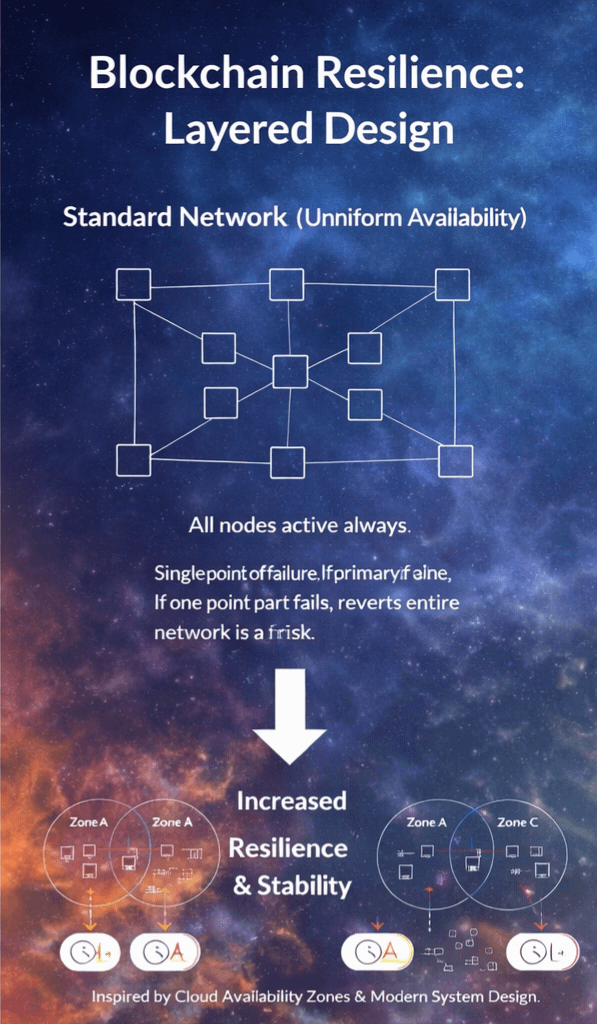
Multi Local Consensus (MLC)
Fogo introduces structured validator coordination through region-based activity instead of universal simultaneous participation.
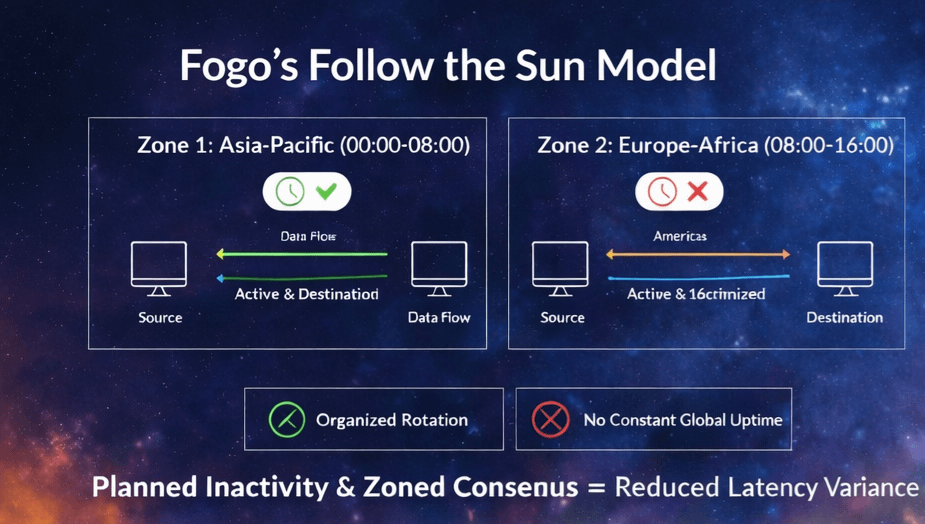
Follow-the-Sun Model
Validator zones rotate based on time and trading activity. Responsibility shifts geographically instead of everyone running at full intensity all day.
Planned Inactivity as Design
Validators are not required to be active at all times. Participation is organized, reducing unnecessary communication overhead.
Reduced Latency Variance
By grouping active validators regionally, communication tightens and confirmation consistency improves.
Performance Over Noise
Instead of many nodes “shouting” together, Fogo focuses on cleaner, tighter consensus outcomes.
Inspired by Market Infrastructure
Traditional exchanges structure sessions and manage liquidity windows. Fogo applies similar coordination logic to blockchain systems.
Firedancer-Level Optimization
Hardware-optimized validator clients signal serious infrastructure intent — built for performance, not experimentation.
Engineered, Not Chaotic
Zone rotation + hardware optimization creates a system that behaves like financial infrastructure rather than a scattered network.
Layered Resilience
If one validator zone fails, broader participation activates. Safety remains intact even if speed temporarily reduces.
Cloud-Inspired Architecture
Similar to availability zones in cloud systems, not all regions carry equal load at all times traffic follows demand.
Predictability Matters in Markets
Traders suffer more from inconsistent confirmation times than slightly slower averages. Structured coordination reduces that hidden cost.
Redefining Decentralization
Decentralization should focus on censorship resistance, fault tolerance, and integrity — not just raw node numbers.
Moving Beyond Validator Marketing
Bigger validator counts may increase coordination drag. Fogo questions whether that model scales for serious financial usage.
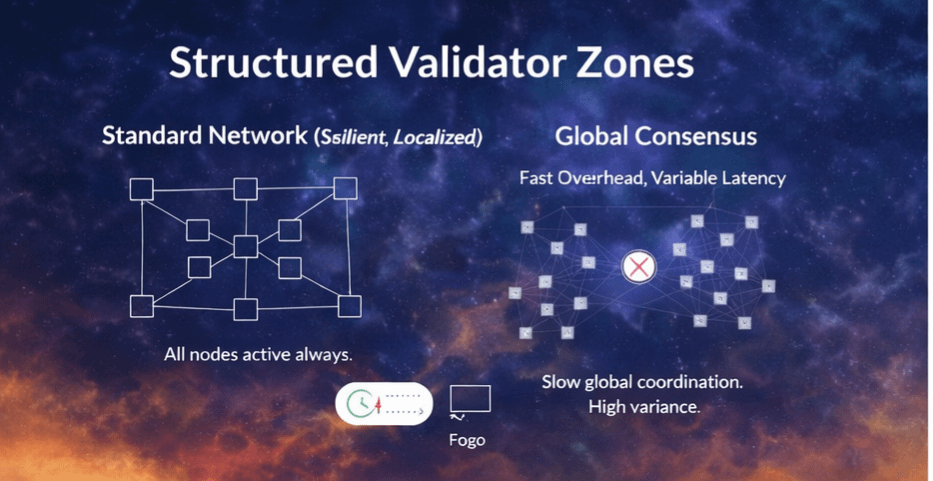
Consensus as Engineering
Fogo treats blockchain security as coordination design, not participation theater.
Evolving Network Strength
Strength may come from intelligent rotation, layered fallback, and optimized infrastructure — not perpetual equal activity.
A Necessary Conversation
The industry must rethink whether uniform global availability truly equals resilience.
More Than Speed Headlines
Fogo challenges inherited assumptions about network design prioritizing predictable execution and structured stability.