
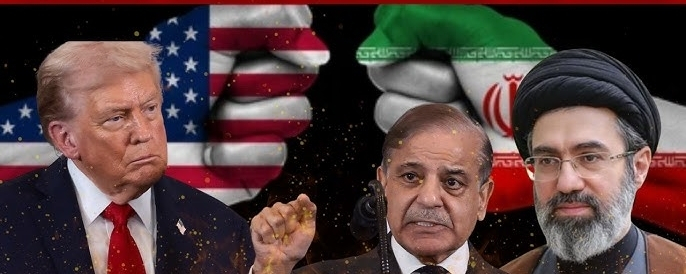

The latest round of negotiations between the United States and Iran ended without progress, despite being described as some of the most extended diplomatic engagements in decades. On the surface, both sides came to the table with clear objectives. In reality, the gap between those objectives proved too wide to bridge.
At the core of the breakdown was a fundamental trust deficit, particularly around Iran’s nuclear intentions. According to JD Vance, the negotiations stalled when Iran refused to provide guarantees that it would not pursue nuclear weapons. From the U.S. perspective, this assurance was non-negotiable. Without it, any broader agreement would lack credibility both politically and strategically.
Iran, on the other hand, viewed these demands as excessive and one-sided. Accepting such conditions would mean conceding strategic leverage without receiving proportional relief in return. Iranian officials signaled that the terms proposed by the U.S. failed to address their key concerns, particularly around sovereignty and long-term economic stability.
Beyond the nuclear issue, the talks also touched on frozen Iranian assets and broader economic restrictions. These financial elements were critical for Iran, which has been seeking access to restricted funds to stabilize its economy. However, progress here was tied directly to nuclear compliance, creating a deadlock where neither side was willing to move first.
Another telling signal came from Iranian media, which reported that there are currently no plans for further discussions. This suggests the breakdown wasn’t just a temporary pause but a deeper structural failure in aligning expectations.
Amid this stalemate, Pakistan has positioned itself as a neutral facilitator. By hosting and supporting dialogue between both sides, Pakistan is attempting to maintain a diplomatic channel even as tensions remain unresolved. This role reflects a broader strategic posture, where neutrality and stability are leveraged to stay relevant in high-stakes geopolitical negotiations.
In the end, these talks highlight a recurring pattern in U.S.–Iran relations. Both sides are willing to engage, but only within the limits of their core strategic interests. When those red lines clash, progress becomes almost impossible.
The result is a familiar outcome. Long discussions, global attention, but no tangible agreement. The negotiations ended exactly where they began, reinforcing the reality that without mutual concessions, even the most prolonged diplomacy struggles to produce results.