
specifically: what percentage of off-chain progress actually triggers an on-chain finalization event that requires $PIXEL.
i've been sitting with this for a while because it changes the entire read on the token.
here's the mechanical reality.
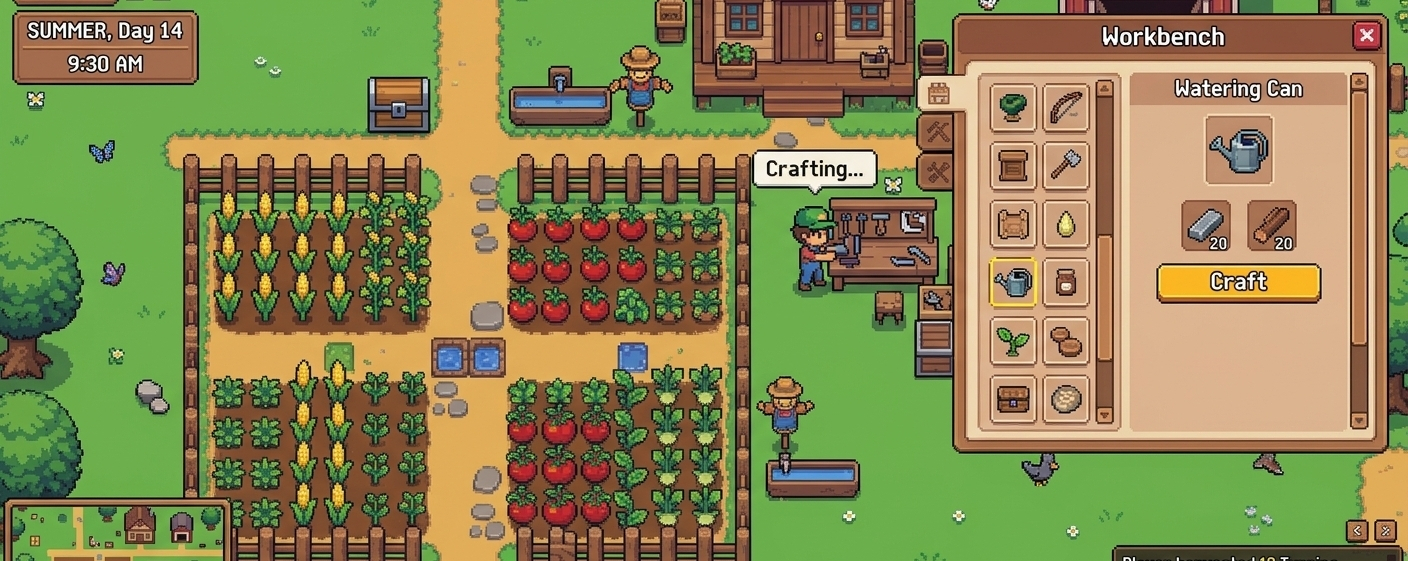
most of what happens in pixels exists in a layer the token never touches. farming cycles, crafting queues, resource accumulation — this is off-chain computation. it's game activity, but it's not token demand.
PIXEL enters the picture at a specific threshold: when a player decides to make something permanent. to mint it. to bridge it. to settle it on-chain. that moment is the entire demand mechanism. everything else is prelude.
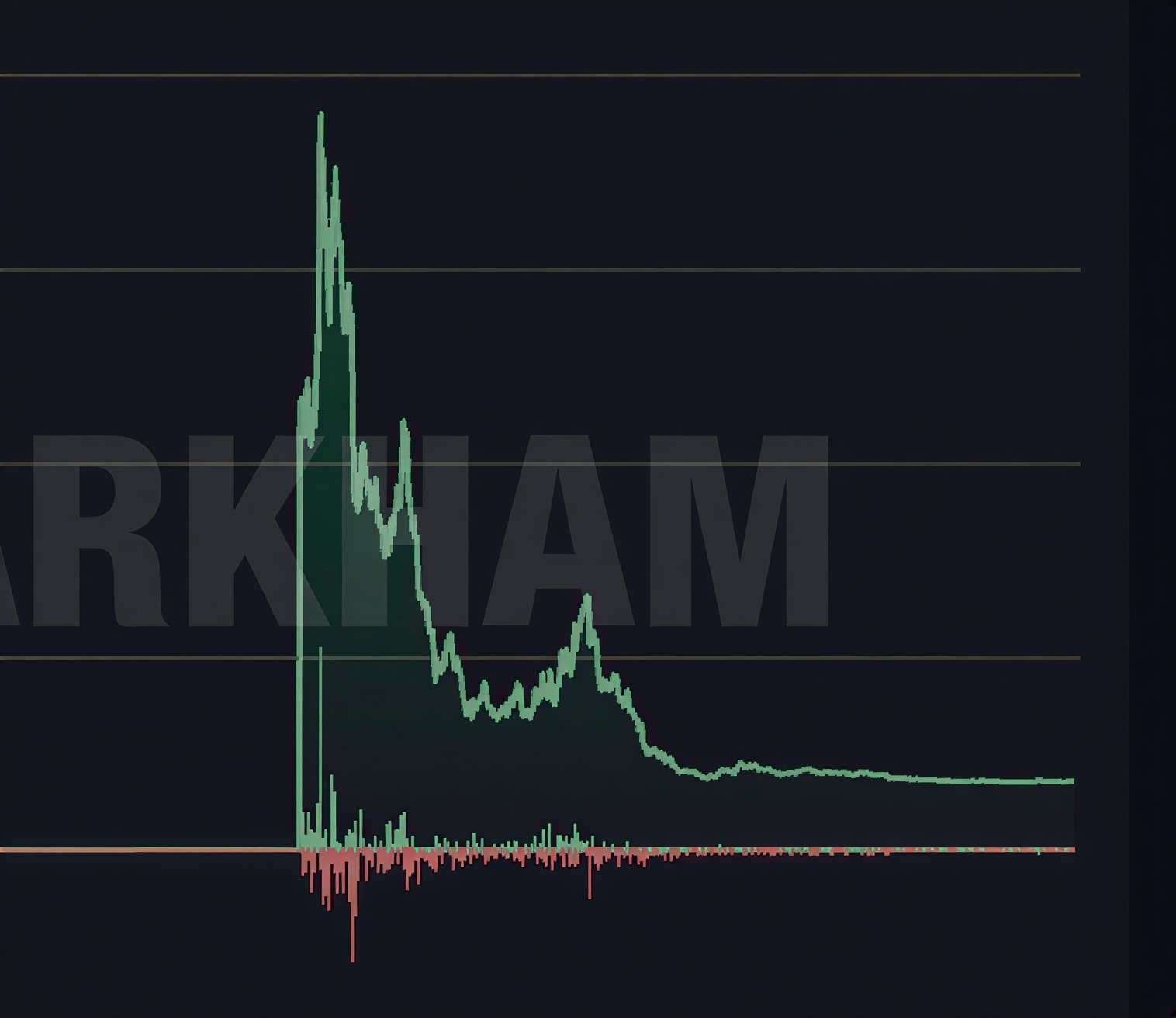
what this means is that $PIXEL isn't pricing engagement. it's pricing conversion pressure — the friction at the boundary between ephemeral game state and permanent on-chain record.
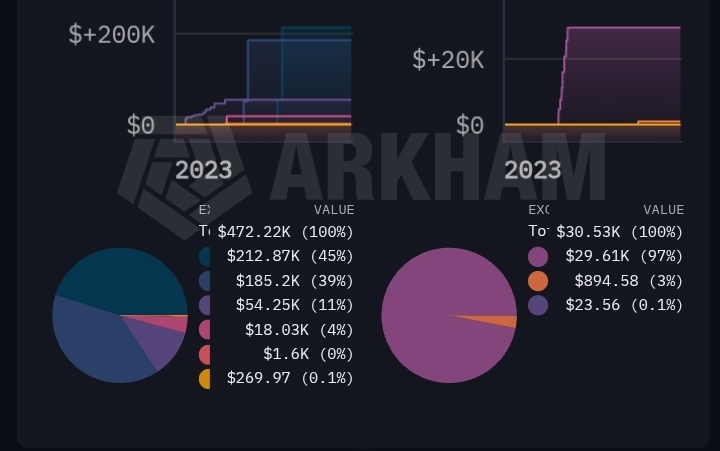
that's actually a coherent design. not an accident. but it creates a vulnerability that i don't see discussed clearly.
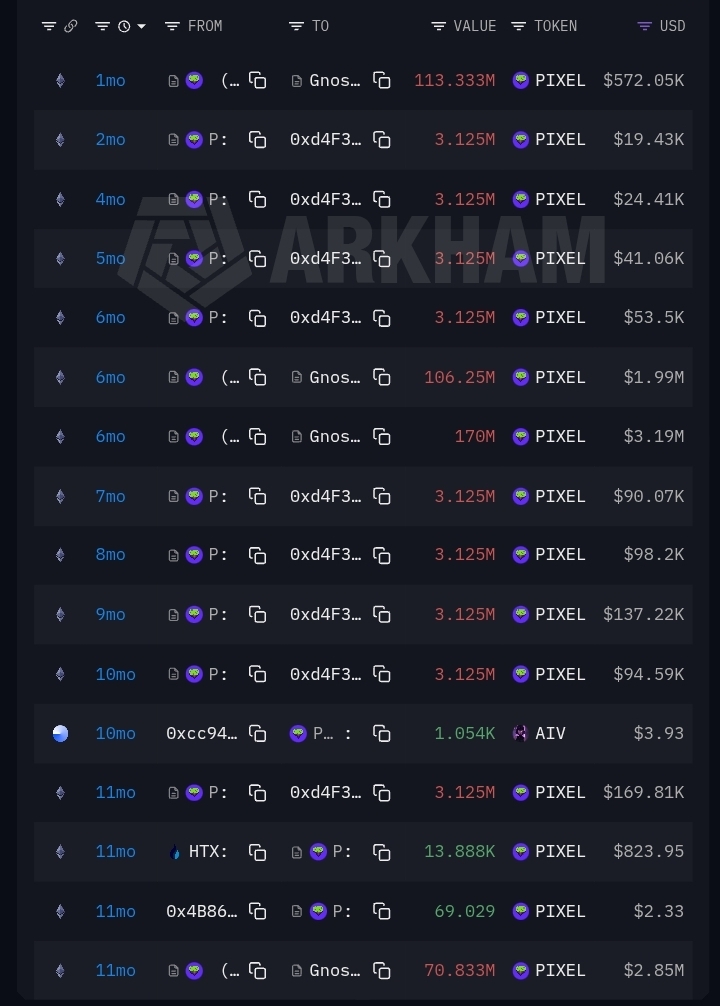
if players learn — individually, through optimization, through guides — that delaying or routing around that finalization step costs them little in gameplay value, demand hollows out quietly.
the game can look healthy on every visible metric. DAUs up. social mentions up.
land parcels active. and yet the specific action that creates token demand just... happens less frequently. or gets deferred. or becomes optional in ways the team didn't anticipate.
in the best case, pixels has structured the most valuable in-game outcomes — the ones players actually compete for — so tightly around on-chain finalization that you cannot meaningfully progress without triggering conversion.

land ownership, rare blueprints, competitive leaderboard permanence. if the meta is built around these, conversion pressure stays high and the token captures real demand.
in the less good case, the off-chain layer is rich enough that a significant portion of the playerbase can extract most of the game's fun without ever pushing to that final step.
the conversion events
become the behavior of whales and completionists, not the median player. token demand concentrates and thins.
i don't know which case pixels is actually in. the team hasn't published conversion funnel data in any form i've found. there's no public breakdown of what percentage of active wallets are triggering on-chain events per week versus just playing in the off-chain layer. that number would tell you more about $PIXEL's demand durability than any partnership announcement.
the other thing i keep thinking about is that this structure means $PIXEL is sensitive to game design decisions in a non-obvious way. a patch that makes off-chain crafting more rewarding doesn't look like a token risk.
it looks like a good content update. but if it reduces conversion pressure at the margin, it matters for the token in ways nobody models in advance.
$PIXEL is worth watching if and only if the team either publishes conversion funnel transparency or the meta evolves in a direction that makes finalization events structurally unavoidable..
