
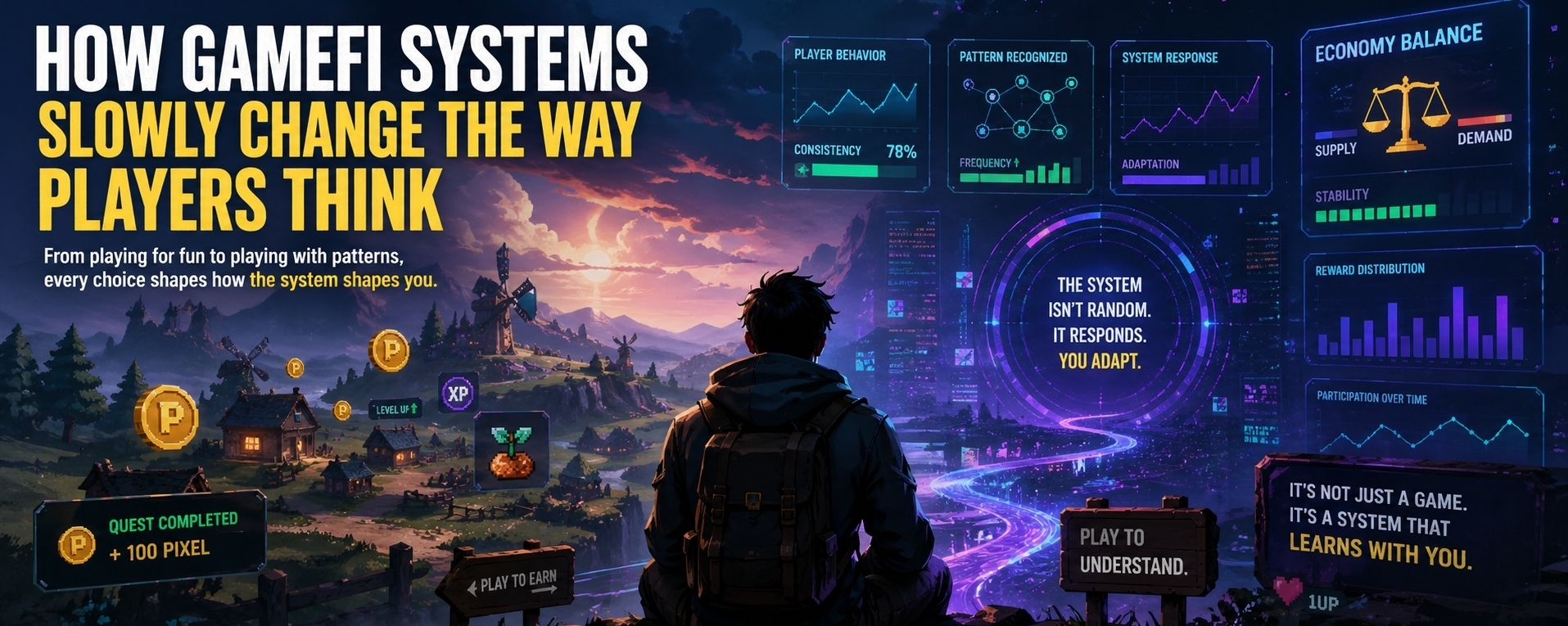
I started noticing something small at first, something I could easily ignore. I would play the same way I always did, follow the same routine, even try to stay consistent in how I approached tasks inside the game. But the outcome didn’t always feel consistent back. That part bothered me more than I expected.
It was not that things were going wrong. It was more like the system was slightly shifting its response, even when I wasn’t changing anything obvious. Some days everything felt smooth, like effort was clearly turning into progress. Other days, the same effort felt less effective, almost like I was pushing against something invisible.
At first I did what most people do. I assumed I needed to optimize better. I started paying more attention. Cleaner timing, less wasted action, more structured decision making. I treated it like a system I could eventually “solve” if I just became more efficient.
And for a while, it felt like that mindset was working. At least it gave me the feeling of control.
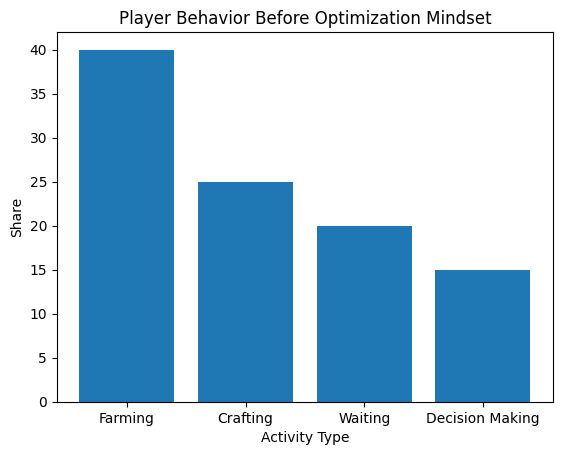
But then something strange started repeating. I noticed other players who didn’t look particularly optimized were still moving forward at a steady pace. Not dramatically faster, just smoother. Less friction in their progress. That made me question my assumption that efficiency alone was the answer.
I started realizing that maybe I was focusing too much on individual actions, instead of patterns over time.
Inside modern GameFi spaces, like systems similar to Pixels, it begins to feel like the environment responds less to single actions and more to behavior patterns. Not in a strict or mechanical way, but something more subtle. Like the system is noticing rhythm instead of just input.
That idea changed how I looked at everything.
Because once you think in patterns, you stop asking “did I do this right” and start asking “how often do I repeat this, and what shape does my behavior form over time”. It becomes less about isolated efficiency and more about consistency.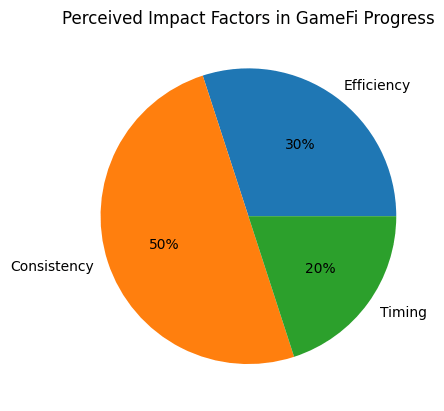
I also started feeling that rewards inside these systems are not always linear. Even when effort feels equal, outcomes can feel slightly different depending on timing, repetition, or participation style. It creates a quiet sense that the system is always balancing itself in the background.
And maybe that is what these environments are becoming. Not just games, but small adaptive economies.
Even something like PIXEL feels less like a static reward and more like part of a moving system. Value flows, adjusts, and responds depending on how people interact with it.
What really stands out to me is how players adapt without realizing it. I noticed myself doing it too. Changing behavior not because I was told to, but because I could feel what seemed to work better over time. Watching others also becomes part of learning. You start copying patterns without thinking.
That is where things become interesting and slightly strange.
Because natural play slowly turns into optimized behavior. You are still playing, but also constantly adjusting. You are not just inside the system anymore, you are trying to understand how it reacts to you.
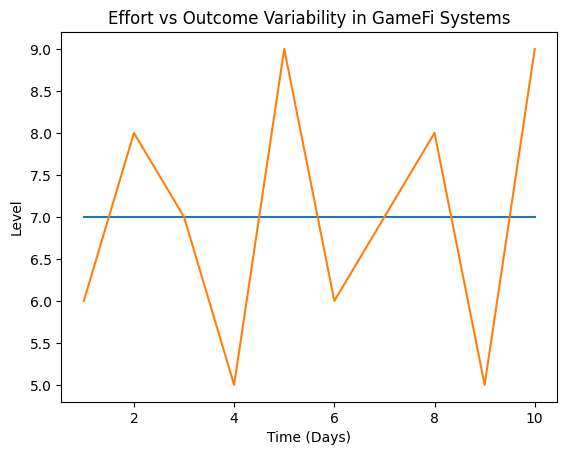
And when everyone starts doing that, the environment itself starts feeling different. Less random, more calculated.
What stays with me most is that nothing clearly announces this shift. There is no moment where the system says something changed. You just slowly realize that your actions, your expectations, and your results no longer align in the same simple way they used to.
And maybe that is the real point.
Not just playing the system, but slowly becoming shaped by how the system responds to you.