
Exposing How 99% of Projects Launched from 2021-2025 Are Complete Scams
In the wild west of cryptocurrency, Bitcoin stands as the undisputed king—a digital gold with proven resilience and institutional backing. But beyond Bitcoin lies a treacherous landscape of "altcoins," alternative cryptocurrencies promising revolutionary tech, moonshot gains, and financial freedom. The reality? Most are nothing more than elaborate illusions designed to separate you from your money. Recent data shows a staggering percentage of crypto projects are outright scams or destined for failure, with failure rates for tokens launched since 2021 often exceeding 50%. If you're tempted to dip your toes into altcoins, think again. This article breaks down why investing in them is a recipe for disaster and how the vast majority of projects from the past five years have proven to be fraudulent schemes.
Understanding Altcoins: The Allure and the Illusion
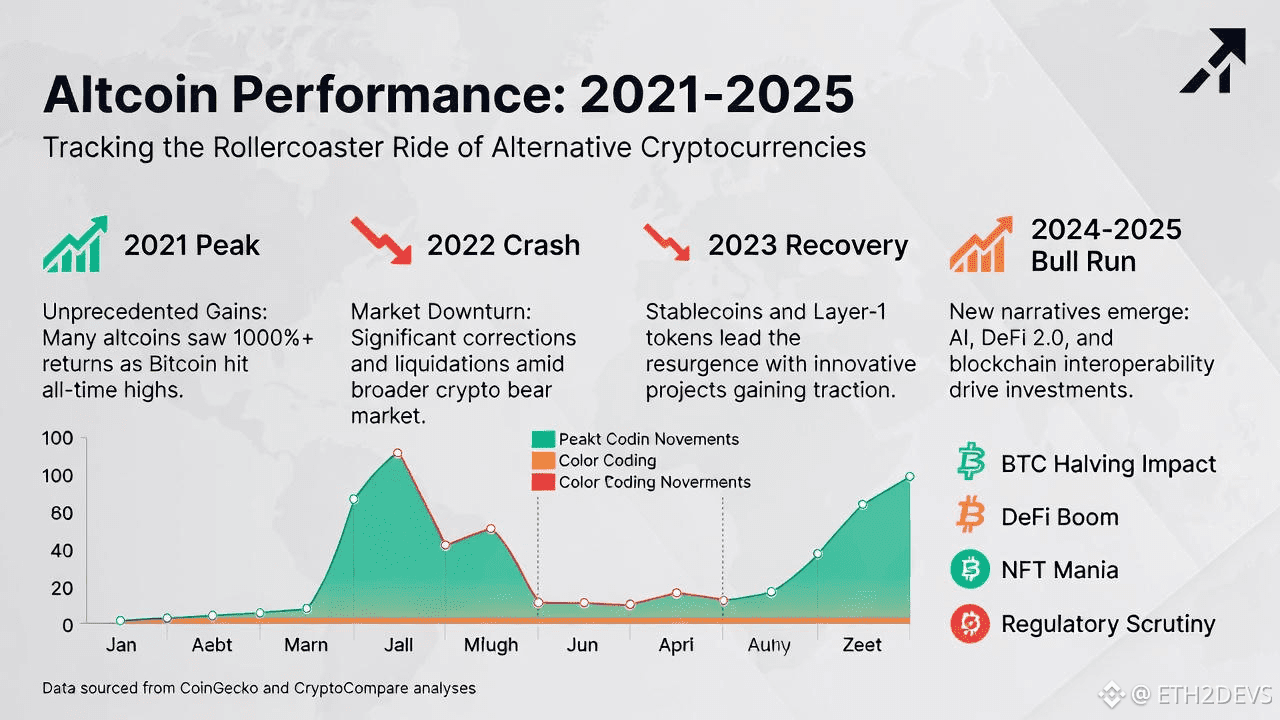
Altcoins are any cryptocurrencies other than Bitcoin, encompassing thousands of tokens like Ethereum competitors, meme coins, DeFi protocols, and NFT ecosystems. They exploded in popularity during the 2021 bull run, fueled by hype around decentralized finance, Web3, and celebrity endorsements. Projects promised everything from faster transactions to passive income yields that sounded too good to be true—and often were.
The appeal is obvious: early investors in successful altcoins like Solana or Binance Coin saw massive returns. But for every outlier success, there are countless failures. Altcoins are inherently more speculative than Bitcoin, lacking its network effects, security, and regulatory scrutiny. Many are built on hype alone, with no real-world utility, making them prime targets for manipulation and scams. Volatility is extreme; prices can swing 50% in a day based on a single tweet or market whim, leading to devastating losses for retail investors.
The Shocking Statistics: Over Half of 2021-2025 Projects Are Already Dead—and Most Were Scams
Let's look at the numbers. Research from sources like CoinGecko indicates that more than half of all cryptocurrencies launched since 2021 have failed, classifying as "dead coins" due to zero liquidity, abandoned development, or outright rug pulls. That's millions of tokens gone bust, with recent years seeing record numbers of failures.
But failure isn't always innocent. The crypto community widely acknowledges that altcoins are riddled with scams. Rug pulls—where developers hype a project, raise funds, and then vanish with the money—dominate the narrative. In recent years, rug pulls and DeFi scams have caused billions in losses across hundreds of projects. Studies have found alarmingly high percentages of crypto projects to be fraudulent, with scam rates often cited in the overwhelming majority for smaller tokens, labeling them as "shitcoins" designed for quick pumps and dumps.
From 2021's ICO frenzy to the ongoing meme coin mania, the pattern repeats: hype builds, prices surge, insiders sell, and retail holders are left with worthless assets. Even "legitimate" projects often fail due to poor execution, market saturation, or regulatory crackdowns, but the scam element is pervasive. Fake ICOs, phishing sites, and influencer-endorsed frauds have bilked billions from investors.
The Core Reasons Altcoins Are a Trap
1. Lack of Real Utility and Innovation: Most altcoins solve problems that don't exist or copy existing tech without improvement. Projects hype "decentralization" but deliver centralized control, where founders hold massive token supplies to manipulate prices.
2. Rampant Manipulation and Insider Games: Low liquidity means whales can pump and dump at will. The market suffers from trapped liquidity and endless token dilution, with new tokens flooding daily.
3. Scam Tactics Galore: From wallet drainers and fake trading platforms to bait-and-switch schemes, the tools of deception are sophisticated. DeFi scams have accounted for massive portions of annual crypto fraud losses. Meme coins, while fun, embody pure speculation.
4. High Risk, Low Reward for Retail Investors: Altcoins don't hedge against Bitcoin; they amplify its risks. Lower liquidity means you can't sell when you need to, and regulatory voids exacerbate issues. Market sentiment often reflects a system that's structurally flawed.
Better Alternatives: Stick to Proven Assets
If you're serious about crypto, focus on Bitcoin. It has real-world adoption, from nation-state reserves to corporate treasuries. Traditional investments like stocks, bonds, or index funds offer stability without the scam minefield. Diversify wisely, but avoid the altcoin casino—it's stacked against you.
Final Warning: Don't Be the Next Victim
Investing in altcoins is gambling disguised as innovation. With the overwhelming majority of projects from 2021-2025 either dead or scams, the odds are abysmal. Do your due diligence, but remember: if it promises quick riches, it's likely a trap. Stay away, protect your capital, and invest in assets with genuine value. The crypto dream is alive in Bitcoin—everything else is a nightmare waiting to happen.
No Tech
No Usecase
No Roadmap
Just Rug The Pull N Start working for the Next Ponzi Is A Game They are playing from 2021 .. Unfortunately 2025 is Going to End Soon but The Condition of Market is Far Below Then 2021.. It simply means Nothing Changed in 5 Years for Altcoins.. $BTC performed Well But Those Altcoins Destroyed Familes because of The Scammy Pattern of Rugpull..
