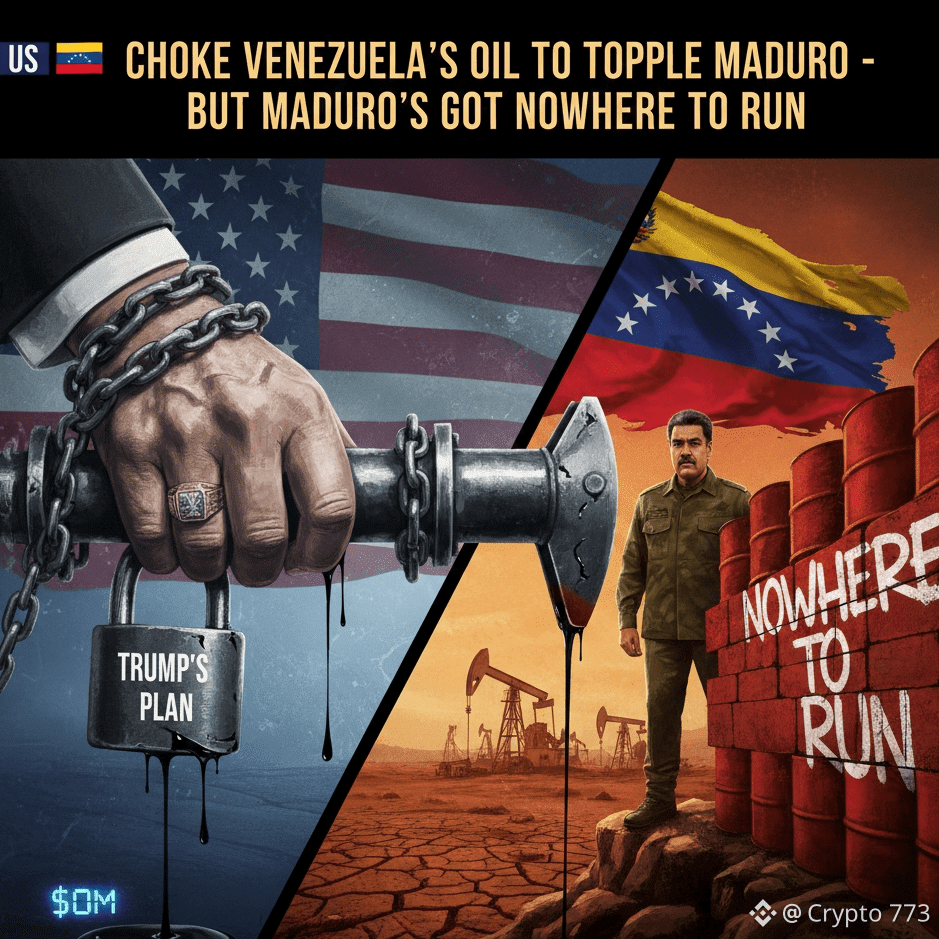
In a high-stakes geopolitical maneuver, the Trump administration pursued an aggressive strategy aimed at dismantling the regime of Nicolas Maduro in Venezuela. At the heart of this plan was the systematic choking of Venezuela's once-mighty oil industry, the lifeblood of the nation's economy. The United States, along with several allies, imposed stringent sanctions targeting PDVSA, the state-owned oil company, and key figures within Maduro's government. The explicit goal was to deprive the regime of its primary revenue source, thereby creating internal pressure and ultimately forcing Maduro from power.
The logic was clear: with oil exports severely curtailed, Venezuela's already fragile economy would collapse further, intensifying humanitarian crises and fueling popular discontent. This, it was hoped, would lead to a military defection or a popular uprising that would usher in a democratic transition. Sanctions included restricting Venezuela's access to the U.S. financial system, freezing assets, and prohibiting American companies from doing business with PDVSA. The pressure mounted, impacting everything from gasoline availability to the nation's ability to import essential goods.
However, the implementation of this strategy revealed its complexities and limitations. While the sanctions undeniably exacerbated Venezuela's economic woes, Maduro's grip on power remained surprisingly resilient. A key factor was the unwavering support from powerful military factions, who benefited from illicit activities and remained loyal to the regime. Furthermore, Venezuela found alternative, albeit less profitable, buyers for its oil, particularly from countries like China and Russia, who also offered political and military backing, thereby complicating international efforts to isolate Maduro.
The humanitarian cost of the sanctions also became a significant point of contention. Critics argued that the broad economic restrictions disproportionately harmed the Venezuelan populace, leading to shortages of food, medicine, and basic necessities, while failing to dislodge Maduro. The regime, for its part, skillfully exploited this narrative, blaming U.S. sanctions for the country's suffering and rallying nationalist sentiment.
Ultimately, despite immense pressure on Venezuela's oil industry and economy, Nicolas Maduro remained in power throughout the Trump administration. The strategy, while severely impacting Venezuela, underscored the challenges of using economic coercion to achieve political change, especially when a regime has entrenched internal support and external allies willing to provide lifelines. The situation highlighted a critical dilemma: how to apply pressure on authoritarian regimes without inflicting catastrophic harm on the civilian population, and how to navigate a complex geopolitical landscape where adversaries are eager to exploit divisions.#TRUMP #WriteToEarnUpgrade #CPIWatch #USJobsData