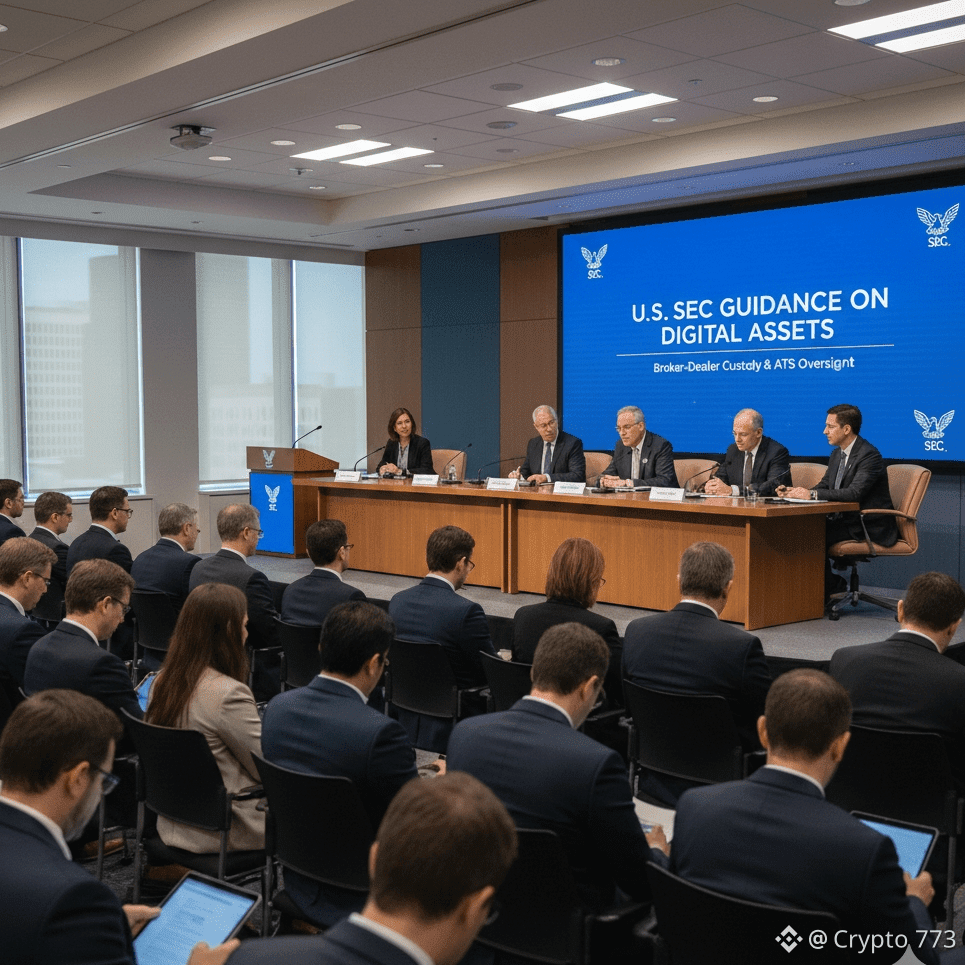
The U.S. Securities and Exchange Commission (SEC) has been actively working to provide clarity and oversight within the rapidly evolving cryptocurrency landscape. In recent developments, the regulatory body has offered significant guidance to broker-dealers regarding their custody of digital asset securities, while simultaneously indicating a heightened focus on the activities of Alternative Trading Systems (ATS) dealing with crypto.
The guidance on crypto custody is a welcome move for many traditional financial institutions looking to enter the digital asset space. It aims to help broker-dealers understand the regulatory requirements and best practices for safeguarding clients' digital assets. This includes addressing concerns around security, segregation of assets, and operational resilience in a market that is still maturing. The SEC's intention appears to be to encourage more regulated entities to participate, potentially bringing greater stability and investor protection to the crypto market. By outlining a framework, the SEC is signaling a path for broker-dealers to engage with digital assets without falling afoul of existing securities laws.
Simultaneously, the SEC is turning a more critical eye towards ATS activity in the crypto sphere. ATS platforms, which are often used for trading digital asset securities, operate with a different regulatory framework than traditional exchanges. The increased scrutiny suggests the SEC is evaluating whether current regulations are sufficient to protect investors and ensure fair and orderly markets, especially as the volume and complexity of crypto trading on these platforms grow. This could lead to more stringent reporting requirements, enhanced transparency, and potentially new rules specifically tailored for crypto ATS operations. The focus is likely on ensuring these platforms are not circumventing existing securities laws and that they are providing adequate investor protections.
These dual actions by the SEC underscore its ongoing effort to balance innovation with investor protection in the digital asset sector. While providing guidance to foster participation from regulated entities, it is also tightening its oversight on less regulated areas to mitigate potential risks. This measured approach suggests a long-term strategy to integrate digital assets into the broader financial system under a robust regulatory umbrella.#USJobsData #BinanceBlockchainWeek #WriteToEarnUpgrade #CPIWatch