The Real Battle in Trading Is Not the Market, It’s You
Most people think trading is about finding the perfect entry. They believe if they just learn one more strategy, one more indicator, or one more secret setup, everything will change. But the truth is harsh and simple: the market doesn’t beat traders — traders beat themselves.
You can have the best analysis in the world and still lose money. Why? Because trading is less about prediction and more about behavior. Your discipline, patience, and emotional control decide your results far more than your chart skills ever will.
One of the biggest mistakes traders make is confusing confidence with overconfidence. Confidence comes from preparation and planning. Overconfidence comes from a few winning trades. That’s usually when rules start getting broken. Stop losses get widened. Take profits get ignored. Risk management suddenly feels optional. This is the phase where accounts slowly bleed.
Another silent killer is impatience. Many traders don’t lose because their setup was wrong — they lose because they couldn’t wait. They enter too early. They overtrade. They jump into positions just to feel involved. The market doesn’t pay for activity; it pays for discipline. Sometimes the best trade is no trade at all.
Then comes the most dangerous emotion: greed. Greed doesn’t appear when you’re losing — it appears when you’re winning. When a trade goes well, the mind starts imagining bigger numbers, bigger screenshots, bigger stories. Logic fades. The plan that was clear before entry suddenly feels “too small.” That’s when traders give back profits they already had.
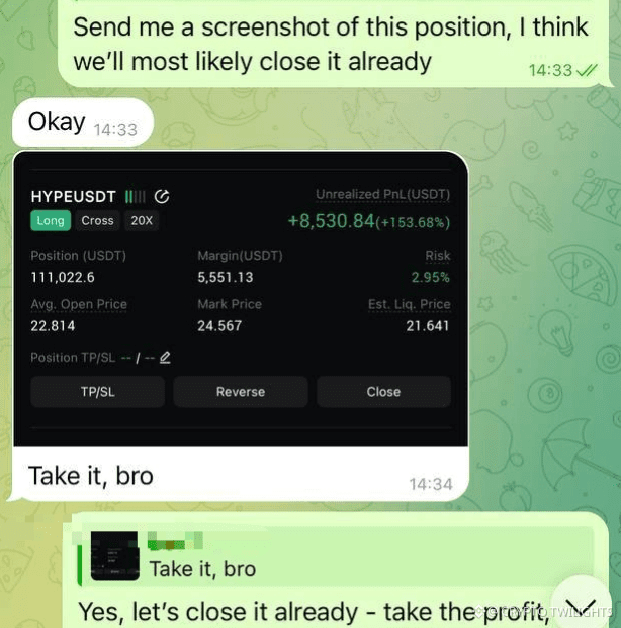
A professional understands one thing very clearly: unrealized profit is not real profit. Until a trade is closed, anything can happen. One candle, one news event, one sudden spike — and the market takes back what it gave. Taking profit is not fear. It’s respect for risk.
Losses are also part of the game, and accepting them is a skill. Many traders take losses personally, as if the market is attacking them. It’s not. A loss doesn’t mean you’re stupid. It means you’re trading. The real failure is not the loss itself, but revenge trading after it. Chasing the market to “get it back” is how small losses turn into big ones.
Risk management is boring, but it’s everything. Low leverage. Defined stop losses. Position sizing that lets you survive another day. No strategy works without risk control. Anyone can make money in a good market. Only disciplined traders survive bad ones.
Another important truth: consistency matters more than big wins. You don’t need to double your account in one trade. You need to protect it across hundreds of trades. Slow growth with control will always beat fast growth with chaos.
If you want to improve as a trader, stop asking only “Where will price go?” and start asking:
Am I following my plan?
Is my risk defined?
Am I trading out of logic or emotion?
Would I take this trade if I had just taken a loss?
The market rewards patience, humility, and self-awareness. It punishes ego, greed, and impulsiveness. Charts don’t lie — but your mind will, if you let it.
Trading is a long-term game. Those who survive long enough, learn long enough, and control themselves long enough eventually find consistency. Not because they are smarter than everyone else, but because they learned to stay disciplined when it mattered most.
Protect your capital. Respect your rules. Control your emotions.
That’s how traders last.