

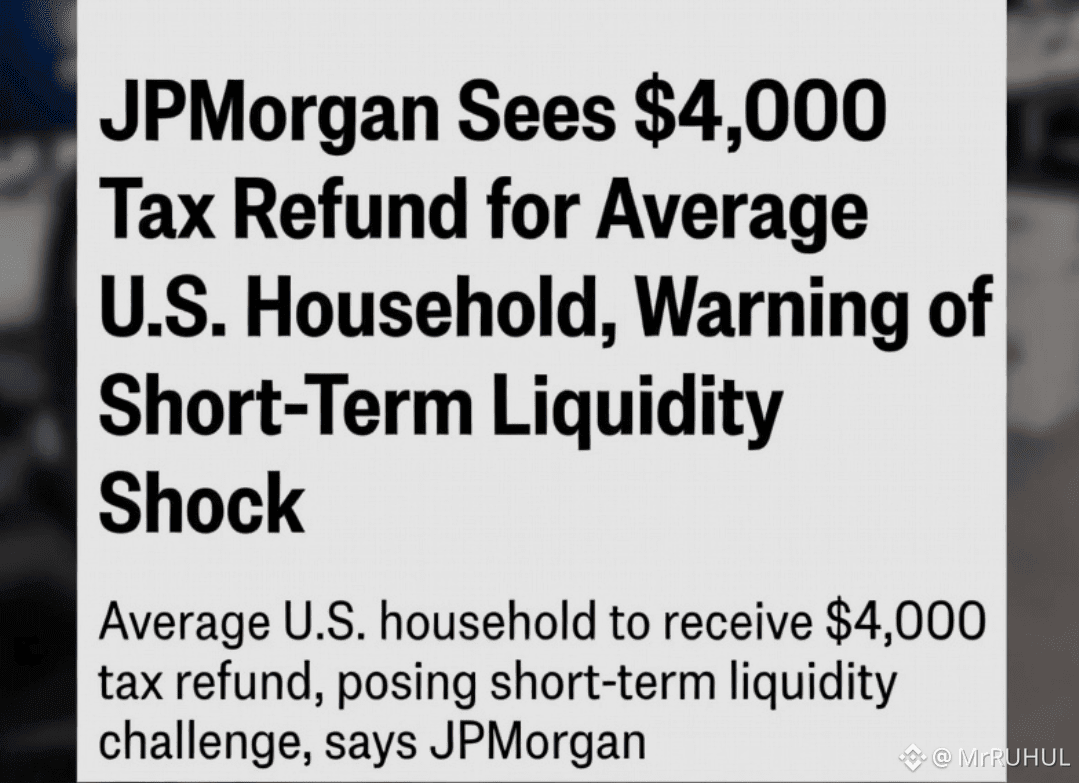
JPMorgan Chase has tossed out a pretty attention-grabbing forecast: average U.S. tax refunds could hit nearly $4,000 in 2026. That’s up about 25% from the year before. David Kelly, one of their strategists, thinks this surge of extra cash could give the U.S. economy a real jolt—mostly in the first half of the year. It’s not an official stimulus, but the sheer size and timing of these refunds could shake up how people spend, how markets act, and how the economy feels—at least for a little while.
Think of tax refunds as a kind of forced savings plan. Most people don’t treat them like regular pay—they see them as a bonus. That matters because folks usually spend unexpected money a lot faster than their usual paycheck. So when refunds suddenly jump, wallets fill up, and spending takes off.
If JPMorgan’s right, a lot of this spending will hit early in the year. People tend to splurge on things like appliances, trips, gadgets, or services when they get bigger refunds. In a year where paychecks aren’t growing much and it’s harder to borrow, this wave of refunds could give families some breathing room. Retailers might see stronger sales, service businesses could get a boost, and the whole economy might seem healthier than it actually is.
Of course, not everyone feels these refunds the same way. For lower- and middle-income families, that extra cash gets spent fast. Wealthier folks are more likely to stash it in savings or invest it. That difference matters for the markets. JPMorgan points to new research showing that more refunds are ending up in stocks or other investments, not just shopping or travel.
That’s the heart of their “liquidity shock” idea. Unlike interest rate cuts or big government spending, tax refunds dump cash into the economy quickly, but don’t mess with rates or the federal budget. It’s a sudden flood—big, but short-lived. When that happens, you get more small investors jumping into the market, people taking a bit more risk, and a quick pop in asset prices.
But don’t get carried away. JPMorgan says this burst of spending doesn’t solve deeper problems like slow productivity, fewer workers, or long-term debt. Once the refunds are gone, things usually drift back to normal. Sometimes, people just use their refunds to pay off debt, which doesn’t do much for day-to-day spending.
Really, the $4,000 refund story is all about timing. It might give the economy a quick boost early in 2026 and make things look brighter for a bit. But it’s no substitute for steady wage growth or real policy fixes. For economists and investors, the big takeaway is to watch exactly when and where this extra cash lands—and how the markets react while it’s here.#USNonFarmPayrollReport #Write2Earn