Introduction to Falcon Finance
Falcon Finance is a decentralized finance platform focused on building strong on-chain infrastructure.The article explains how Falcon Finance is changing the way liquidity works in blockchain systems.it aims to remove the need for selling assets when users need funds.Falcon Finance connects traditional financial ideas with blockchain technology. The platform allows users to use assets as collateral instead of selling them.This approach supports long-term holding and smarter capital use.The system is designed for transparency and efficiency.Falcon Finance focuses on stability rather than speculation.It targets both individual users and institutions.The article highlights Falcon Finance as a long-term DeFi solution.The Core Idea of Universal CollateralizationThe main concept behind Falcon Finance is universal collateralization.This article explains that users can deposit different assets as collateral.Most DeFi platforms limit the types of assets accepted.Falcon Finance removes this limitation by supporting multiple asset types.This increases flexibility for users across the ecosystem.Universal collateralization improves capital efficiency.Users can unlock value from assets that would otherwise stay idle.This reduces unnecessary selling pressure in the market.The system supports a healthier financial environment.The article shows how this model benefits the entire DeFi space.
How the Falcon Finance System Works
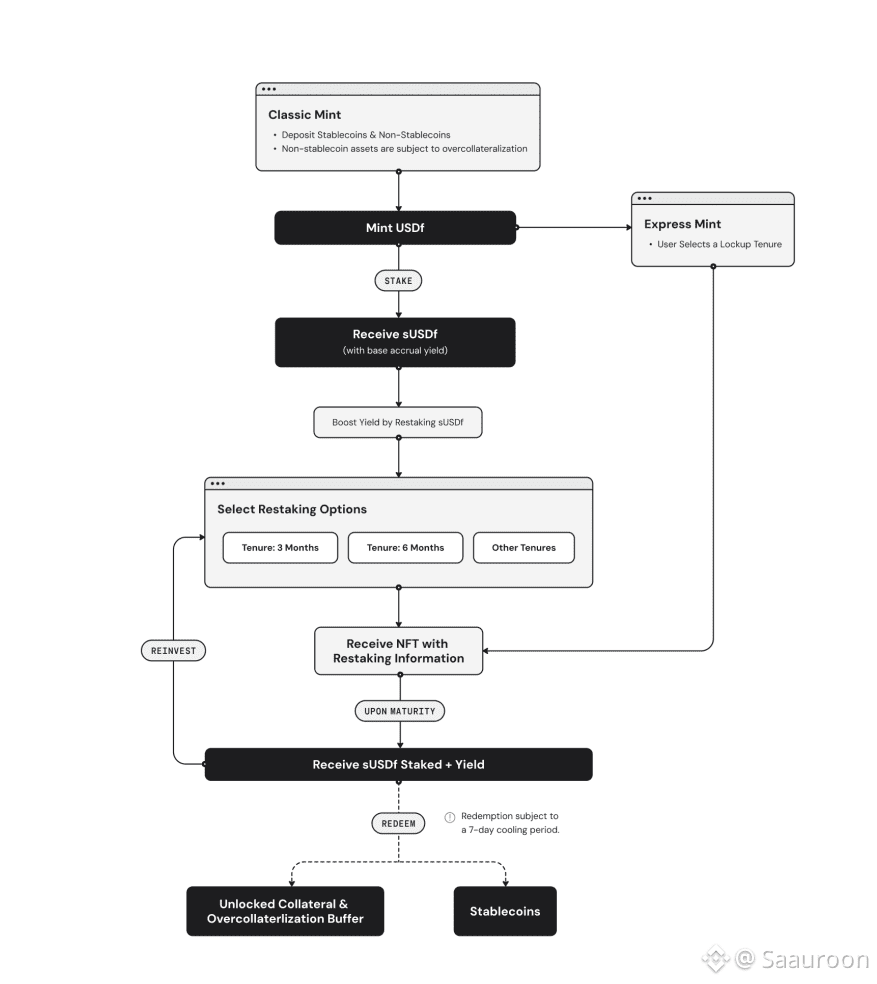
Falcon Finance allows users to deposit eligible assets into the protocol.These assets remain owned by the user at all times.Based on this collateral, users can mint a synthetic dollar called USDf.The article explains that USDf is over-collateralized for safety.Over-collateralization helps protect the system from risk.Smart contracts manage collateral automatically.The process is transparent and fully on-chain.Users can track positions in real time.This design reduces human error and manipulation.The article highlights efficiency as a key strength.
Understanding USDf and Its Role
USDf is the synthetic dollar created within Falcon Finance.The article describes USDf as a stable and secure asset.Unlike traditional stablecoins, USDf is fully over-collateralized. This structure increases trust in the system. USDf allows users to access liquidity without selling assets.it can be used across multiple DeFi applications.The stability of USDf supports smoother market behavior.it reduces panic selling during volatility.USDf strengthens the financial backbone of Falcon Finance.The article emphasizes stability as the main goal.
Asset Support and System Flexibility
Falcon Finance supports liquid digital assets as collateral.The article also explains support for tokenized real-world assets.This expands the platform beyond standard crypto use cases.Asset flexibility attracts a wider range of users.Institutions benefit from diversified collateral options.Retail users gain access to advanced tools.The protocol adapts to changing market trends.This makes Falcon Finance future-ready.Asset diversity improves system resilience.The article shows flexibility as a competitive advantage.
Liquidity Without Forced Liquidation
A major feature of Falcon Finance is liquidity without liquidation.Traditional DeFi platforms often force users to sell assets.The article explains how Falcon Finance avoids this issue.Users retain ownership of their collateral.Liquidity is accessed safely through USDf minting.This encourages long-term investment behavior.Selling pressure in the market is reduced.Market stability improves as a result.This model supports smarter financial planning.The article highlights this as a key innovation.
Security and Risk Management Design
Security is a core focus of Falcon Finance.The article explains how over-collateralization reduces risk.Smart contracts follow strict risk parameters.Collateral ratios are continuously monitored.On-chain transparency allows public verification.The system avoids excessive leverage.This protects both users and the protocol.Risk management is built into the design.Long-term sustainability is prioritized.The article shows security as a foundation.
Falcon Finance in the DeFi Ecosystem
Falcon Finance acts as infrastructure rather than a simple product.The article explains its role within the wider DeFi ecosystem.USDf can integrate with other DeFi platforms.This increases composability and network value. Liquidity layers become stronger through integration.Other protocols can build on Falcon Finance.This creates a connected financial environment.Infrastructure projects gain importance over time.Falcon Finance fits this long-term trend.The article positions it as ecosystem-critical.
Future Outlook and Growth Potential
The demand for efficient collateral systems is increasing.The article explains how Falcon Finance meets this demand.Tokenized real-world assets are growing rapidly.Falcon Finance is prepared for this expansion. Institutional interest in DeFi infrastructure is rising.The platform supports scalable growth. Its design aligns with evolving standards. Future upgrades can expand functionality. Liquidity demand will continue to grow.The article highlights strong long-term potential.
Conclusion
Falcon Finance introduces a smarter approach to DeFi liquidity.The article explains how it removes forced selling. Universal collateralization unlocks idle capital. USDf provides stability through over-collateralization.Security and transparency are core principles.Asset diversity strengthens the system.Falcon Finance focuses on infrastructure, not hype.its model supports market efficiency and stability.The platform aligns with institutional finance needs.$The article concludes Falcon Finance represents the future of on-chain finance.