
If you've been around crypto for a while, you've probably heard of BNB. It's one of those tokens that started out tied to Binance – you know, the giant exchange everyone uses – but over time, it has really become the fuel for this whole sprawling network called BNB Chain. As we're sitting here on December 21, 2025, BNB is still holding strong in the top five cryptocurrencies by market cap, trading around $850 to $870, with about 138 million tokens in circulation. Not bad for something that kicked off back in 2017.
That's the classic BNB logo – that sharp yellow diamond everyone recognizes right away.
Let me break it down a bit. BNB began as an ERC-20 token on Ethereum, raised through an ICO in the summer of 2017. Pretty soon after, in 2019, it moved over to its own chain. These days, it's the native coin for everything on BNB Chain: paying gas fees on the Smart Chain (which is super fast and cheap, fully compatible with Ethereum tools), getting trading discounts on Binance itself, staking for rewards, joining governance votes, or even jumping into token launches. There's this ongoing burn mechanism too – they started with 200 million total, but regular burns are chipping away at that, aiming eventually for 100 million. It's deflationary by design, which keeps things interesting.
What draws people in, though? The ecosystem is huge outside of Ethereum – lightning-quick transactions, fees that barely register, and a wild community full of DeFi projects and meme coins. Sure, it's still linked to Binance in people's minds, but officially, it's community-driven now. Some folks argue it's not as decentralized as purer chains, and that's a fair point. However, the practicality wins out for a lot of everyday users.
What's Driving BNB Chain These Days?
At its core, BNB Chain seems focused on one big goal: making Web3 accessible enough to pull in the next billion people. They've been pushing hard on speed – block times down to under a second in recent upgrades – rock-bottom fees, often a penny or less, and tools that feel almost as smooth as a centralized app. It's about letting regular folks trade, build, or just play around without getting bogged down.
They talk a lot about empowering developers with EVM compatibility, Layer 2 options like opBNB for extra scale, and even decentralized storage through Greenfield. Governance runs through BNB staking, so the community has a real say. Of course, not everyone buys the full decentralization story given the Binance roots, but the rebrand a few years back and the shift to community focus have changed things quite a bit.
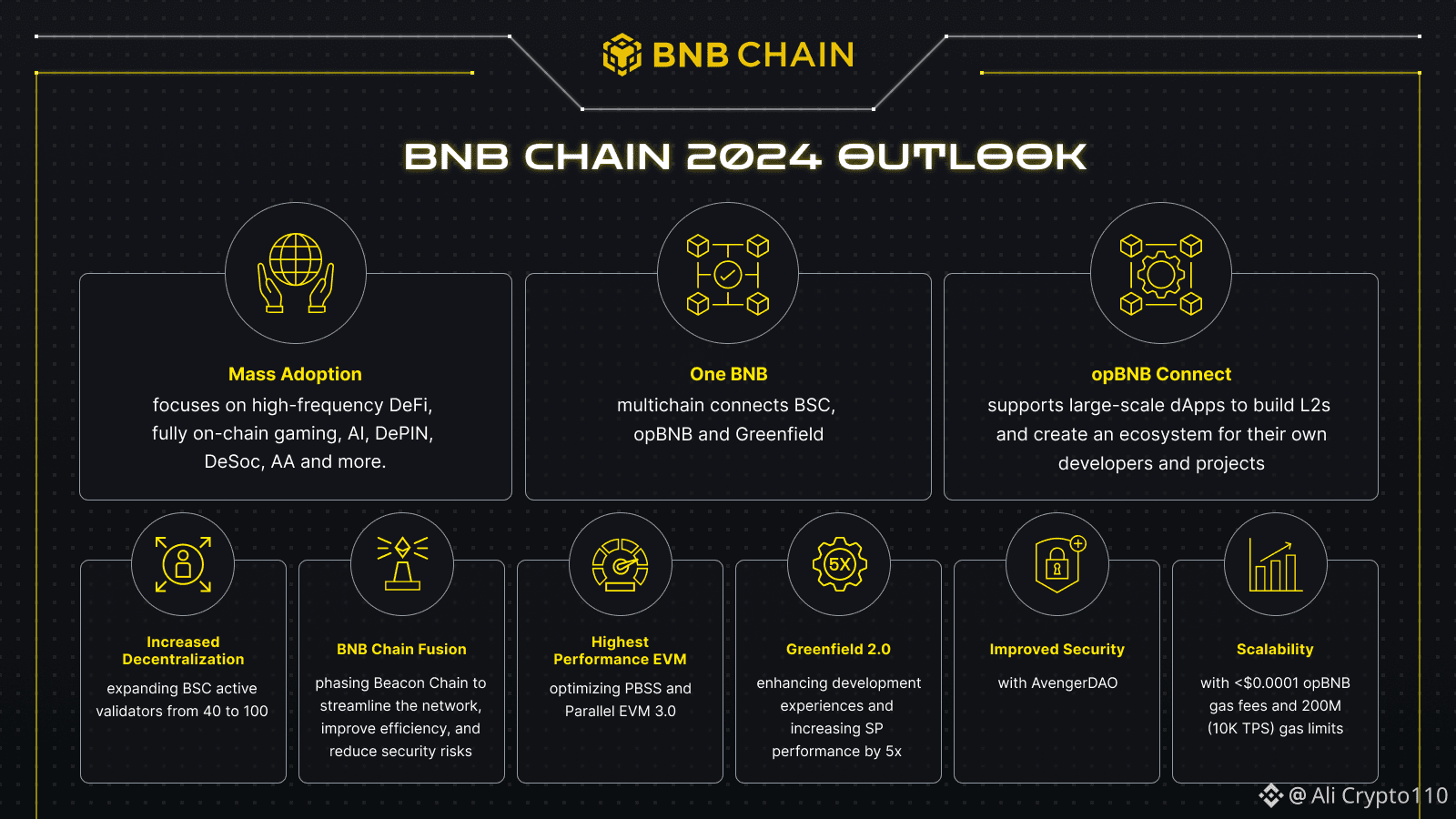
These kinds of infographics from their blogs lay out the roadmaps and growth – you can see how they're aiming for massive scale.
They're chasing things like meme coin tools, real-world asset tokenization, AI integrations, and programs to help developers worldwide. It's ambitious, no doubt.
Diving into DeFi on BNB Chain
BNB Chain has become a powerhouse for DeFi, mostly because it's so darn efficient. High throughput, tiny fees, quick blocks – all EVM-friendly. That pulls in retail traders, builders, and anyone doing high-frequency stuff who can't stomach Ethereum's costs.
Late in 2025, the total value locked sits somewhere in the $7-8 billion range, sometimes higher depending on the source. It usually ranks in the top few chains, trailing Ethereum but competing with Solana or Tron on volume. Daily DEX trades can hit billions, covering everything from basic swaps to lending, staking, farming, and newer stuff like Bitcoin-backed DeFi or tokenized real assets.
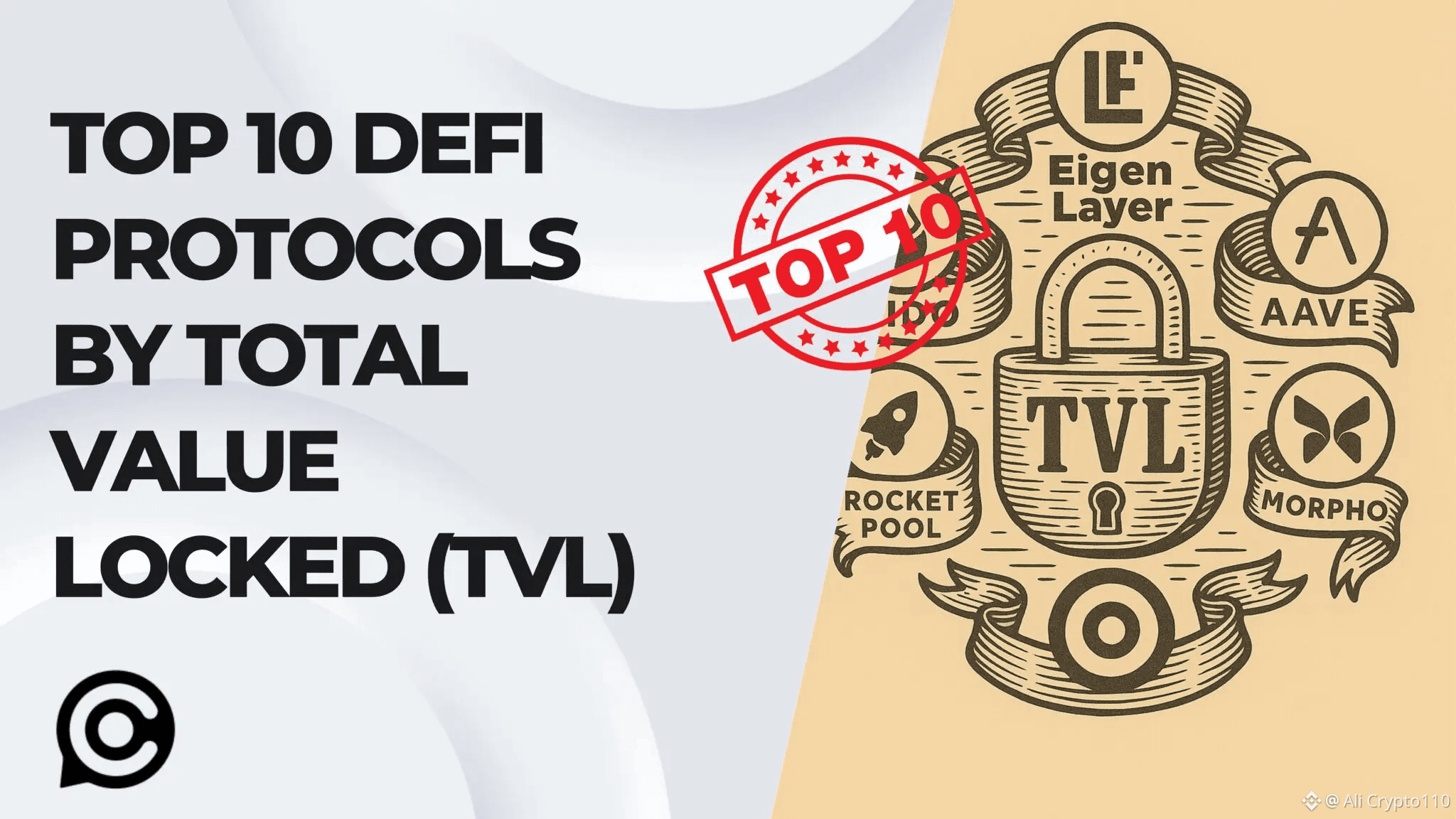
Charts like these show the top protocols and how TVL stacks up.
A few standouts right now:
PancakeSwap is still the king of DEXes here. Swaps, pools, farming with those fun Syrup Pools, perps, even lotteries. It's got that playful vibe, easy for newcomers, and it pulls in massive volume.
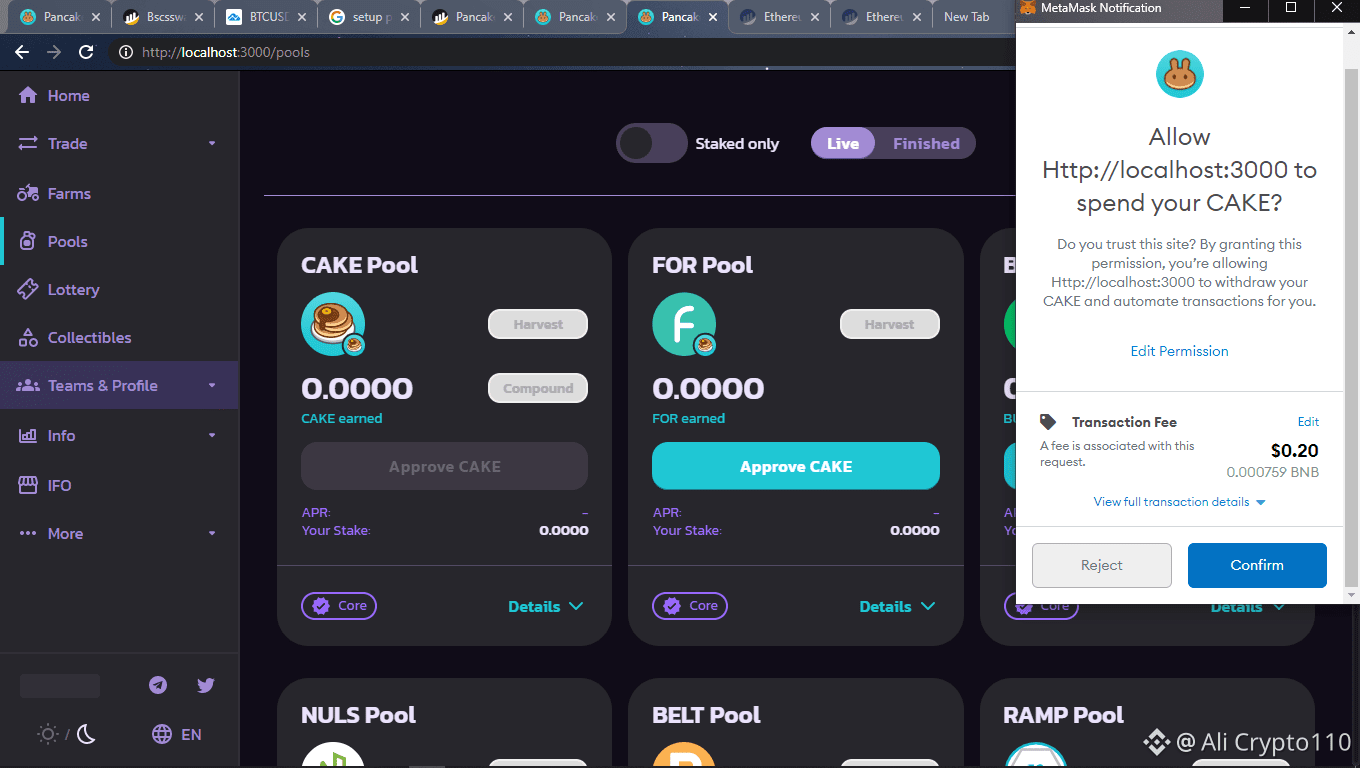
You get the idea from screenshots – clean interface for swapping or adding liquidity.
Then there's Venus for lending: supply assets, earn interest, borrow against collateral, including their VAI stablecoin. Solid TVL, supports big tokens like wrapped BTC or ETH.
Lista DAO has shot up with liquid staking – sometimes holding billions in locked value.
Others worth mentioning: Aster for perps that's grown fast, Solv for Bitcoin yields, Alpaca or THENA for leveraged farming and advanced AMMs. Plenty of experiments in RWAs and AI-tied finance too.
What Makes It All Click
The real edge comes from constant upgrades – sub-second blocks, huge gas limits handling millions of transactions daily. Low costs suit constant trading or farming. Add in deep liquidity, meme hype, stablecoin dominance, and incentives, and users stick around. Layer 2 expansions keep pushing the limits.
All told, BNB isn't merely a token anymore. It's powering this practical, user-focused world that's trying hard to make Web3 feel normal. If you're swapping on PancakeSwap, staking for yields, or dipping into newer assets, there's a lot here. That said, smart contracts can always have bugs, markets swing wildly – do your homework before jumping in.
