Flash loan exploits keep draining DeFi protocols. Same pattern repeats: attacker manipulates price oracle during transaction, borrows against fake inflated price, protocol gets drained for millions. Happened to dozens of projects. The vulnerability isn't in the lending logic, it's in the oracle feeding bad price data.
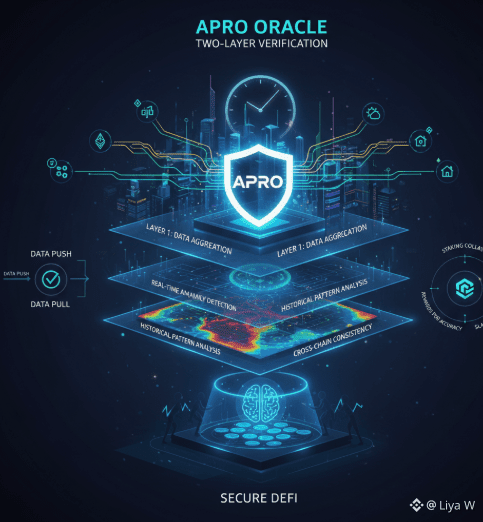
@APRO_Oracle built two-layer verification specifically to catch manipulation before it reaches smart contracts. First layer aggregates prices from multiple sources. Second layer runs AI analysis comparing those prices against historical patterns, volatility expectations, cross-exchange consistency. If something looks wrong, the data gets flagged before any protocol uses it.
Traditional oracles just report whatever price their sources show. If an attacker manipulates a DEX pool that the oracle reads from, the oracle faithfully reports that manipulated price. APRO's AI verification layer recognizes when price movements are statistically impossible or inconsistent with broader market data. That anomaly detection stops manipulation attempts.
The difference is reaction time. By the time humans notice an oracle exploit, millions are already gone. APRO's automated verification happens in real-time as data flows through the system. Suspicious data gets caught within seconds, not after the damage is done.
Supporting 40+ blockchains means APRO can cross-reference prices across different networks. If ETH price on Ethereum-based sources differs significantly from Solana or Polygon sources without clear reason, that's a red flag. Multi-chain data creates natural consistency checks that single-chain oracles can't perform.
The Data Push and Data Pull methods both include verification. Push data for continuous price feeds gets verified on each update. Pull data requested on-demand gets verified before delivery. Doesn't matter which method your protocol uses, the security model remains consistent.
$AT token economics align with network security. Data providers stake tokens as collateral, get slashed if they provide bad data, earn rewards for accurate reliable feeds. That economic incentive reinforces the technical verification, creating both technical and economic barriers against manipulation.
Real-world asset data verification uses different techniques than crypto price verification. Stock prices get compared against official exchange data. Real estate valuations get checked against multiple appraisal sources. Weather data gets validated against government meteorological services. Each asset type has appropriate verification methods rather than one-size-fits-all approach.
The AI layer continuously learns from attempted attacks. Each manipulation attempt that gets caught teaches the system new patterns to watch for. Static verification rules become outdated as attackers adapt. Learning systems that evolve defenses stay ahead of evolving attacks.
APRO isn't eliminating oracle risk entirely because that's impossible with external data dependencies. But it's reducing attack surface dramatically through multiple verification layers, AI-driven anomaly detection, cross-chain consistency checks, and economic incentives for honest behavior. Defense in depth approach where attackers need to compromise multiple systems simultaneously to succeed. #APRO @APRO_Oracle $AT