

For more than a decade, Bitcoin has stood at the center of the digital asset world. It earned its crown the hard way—through unmatched security, decentralization, and trust. Yet despite all that strength, Bitcoin has carried a quiet weakness: it doesn’t do much.
Most Bitcoin sits idle.
Like gold locked away in a vault, BTC has been exceptional at preserving value but limited in generating it. While Ethereum and other ecosystems raced ahead with lending, yield, and composable finance, Bitcoin largely watched from the sidelines.
That long-standing imbalance is finally changing.
@Lorenzo Protocol has emerged as a core piece of infrastructure designed to unlock Bitcoin’s dormant potential—without sacrificing the very security that made Bitcoin valuable in the first place. As we move through late 2024 into 2025, Lorenzo is no longer theoretical. It’s live, operational, and increasingly central to Bitcoin-native DeFi.
From Digital Gold to Productive Capital
For years, Bitcoin holders faced an uncomfortable decision.
If you wanted yield, you had to compromise. You bridged BTC to another chain, exposing yourself to smart contract and bridge risks, or you handed custody to centralized platforms and trusted them not to fail. Either way, you stepped away from Bitcoin’s native security guarantees.
Lorenzo changes that equation entirely.
By leveraging the shared security model pioneered by Babylon Chain, Lorenzo enables Bitcoin to secure external Proof-of-Stake networks and rollups without the BTC ever leaving Bitcoin’s base layer. This innovation forms the backbone of liquid restaking on Bitcoin.
The result is simple but powerful:
your Bitcoin stays secure, stays liquid, and starts earning.
Making Sophisticated Finance Feel Effortless
Behind the scenes, Lorenzo is doing something extremely complex. On the surface, it feels refreshingly simple.
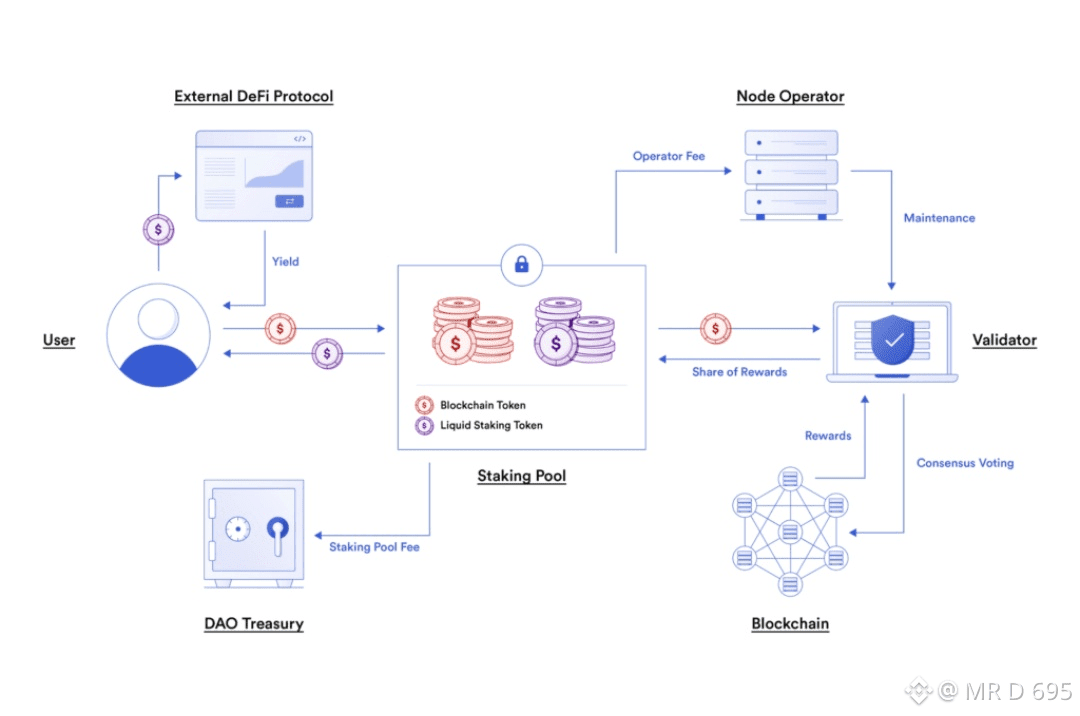
This is made possible by Lorenzo’s Financial Abstraction Layer (FAL)—a system that hides the complexity of staking, validator management, reward routing, and cross-chain logistics from the end user.
Instead of managing keys, choosing validators, or tracking multiple reward streams, users interact with a single, unified experience. When Bitcoin enters the protocol, it is effectively “modularized” into two clean components.
stBTC — Liquid Principal
stBTC represents your staked Bitcoin on a 1:1 basis. It’s fully liquid and usable across DeFi:
As collateral in lending markets
On decentralized exchanges
Across ecosystems like Ethereum, BNB Chain, and Cosmos
Your capital never feels locked or restricted.
YAT — Yield Accruing Token
YAT represents the yield generated by your staked Bitcoin. Separating yield from principal unlocks advanced financial strategies:
Selling future yield for upfront liquidity
Structuring fixed-income products
Creating predictable, risk-managed returns
Your Bitcoin works in the background, while your flexibility stays front and center.
Crossing the $1 Billion Threshold
Lorenzo’s growth has been fast—and meaningful.
By December 2025, the protocol surpassed $1 billion in Total Value Locked (TVL). This wasn’t driven by hype cycles or short-term speculation. Institutional players were drawn in by something rare in crypto: yield that prioritizes security and structure.
A major driver of this momentum was the launch of USD1+, Lorenzo’s On-Chain Traded Fund (OTF).
Instead of forcing users to chase yield across fragmented platforms, USD1+ aggregates returns from three diversified sources:
Real-World Assets (RWA) such as tokenized U.S. Treasuries
Quantitative trading strategies designed to perform across market cycles
Optimized DeFi yields from lending and liquidity provision
The end result feels less like speculative DeFi and more like a blockchain-native money market—transparent, accessible, and efficient.
BANK: Governance With Real Influence
At the center of the Lorenzo ecosystem sits the BANK token.
Launched in late 2024 and later listed on major exchanges such as Binance, BANK is not just an incentive token. It’s how the protocol evolves.
BANK holders can:
Direct liquidity incentives toward specific vaults or AVSs
Participate in protocol revenue mechanisms
Vote on cross-chain expansion and new asset integrations
In short, BANK holders don’t just benefit from Lorenzo’s growth—they actively shape it.
Security Isn’t a Feature — It’s the Foundation
In Bitcoin DeFi, trust is everything.
Lorenzo reinforces this trust through partnerships with institutional-grade custodians such as Ceffu, Cobo, and ChainUp. These firms secure the critical connection between the Bitcoin network and the Lorenzo app-chain using industry-leading standards.
Meanwhile, integrations with Bitcoin-native DeFi layers like Corn Network position Lorenzo as the liquidity engine powering the next generation of Bitcoin applications—from AI-enabled chains in the Cosmos ecosystem to lending platforms on Ethereum Layer 2s.
Increasingly, stBTC is becoming the preferred way to move Bitcoin value across ecosystems.
The Road Ahead: Abstraction and Adoption
Looking deeper into 2025, Lorenzo’s roadmap is focused on one goal: mass adoption through simplicity.
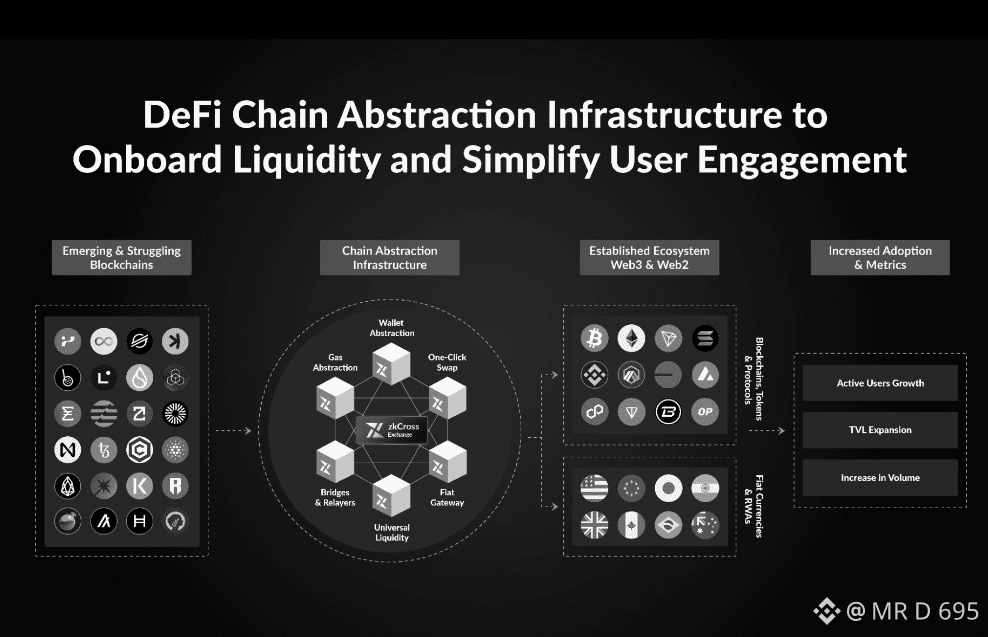
The team is building one-click yield products where users don’t need to understand staking, bridges, or blockchains at all. Deposit. Earn. Withdraw. Everything else is abstracted away.
By integrating directly into wallets, payment rails, and B2B settlement platforms, Lorenzo is quietly transforming Bitcoin and stablecoins into dynamic, self-growing financial assets.
This isn’t just another DeFi protocol.
Lorenzo is building something closer to an on-chain investment bank—a system where:
Bitcoin earns yield around the clock
Liquidity is always accessible
The complexity of global finance is reduced to elegant, programmable tokens
For the first time, Bitcoin isn’t just being held.
It’s finally being put to work.

