

Plasma was born from a quiet frustration shared by builders, traders, and payment operators alike. For years, blockchains promised efficiency, neutrality, and global access, yet everyday value transfer still feels clumsy, expensive, or unpredictable. Stablecoins solved volatility, but the rails underneath them remained fragmented. This gap is where Plasma enters the conversation, positioning itself as a Layer One network purpose built for stablecoin settlement, with its economic layer anchored by $XPL
Vision: rebuilding the rails, not the hype
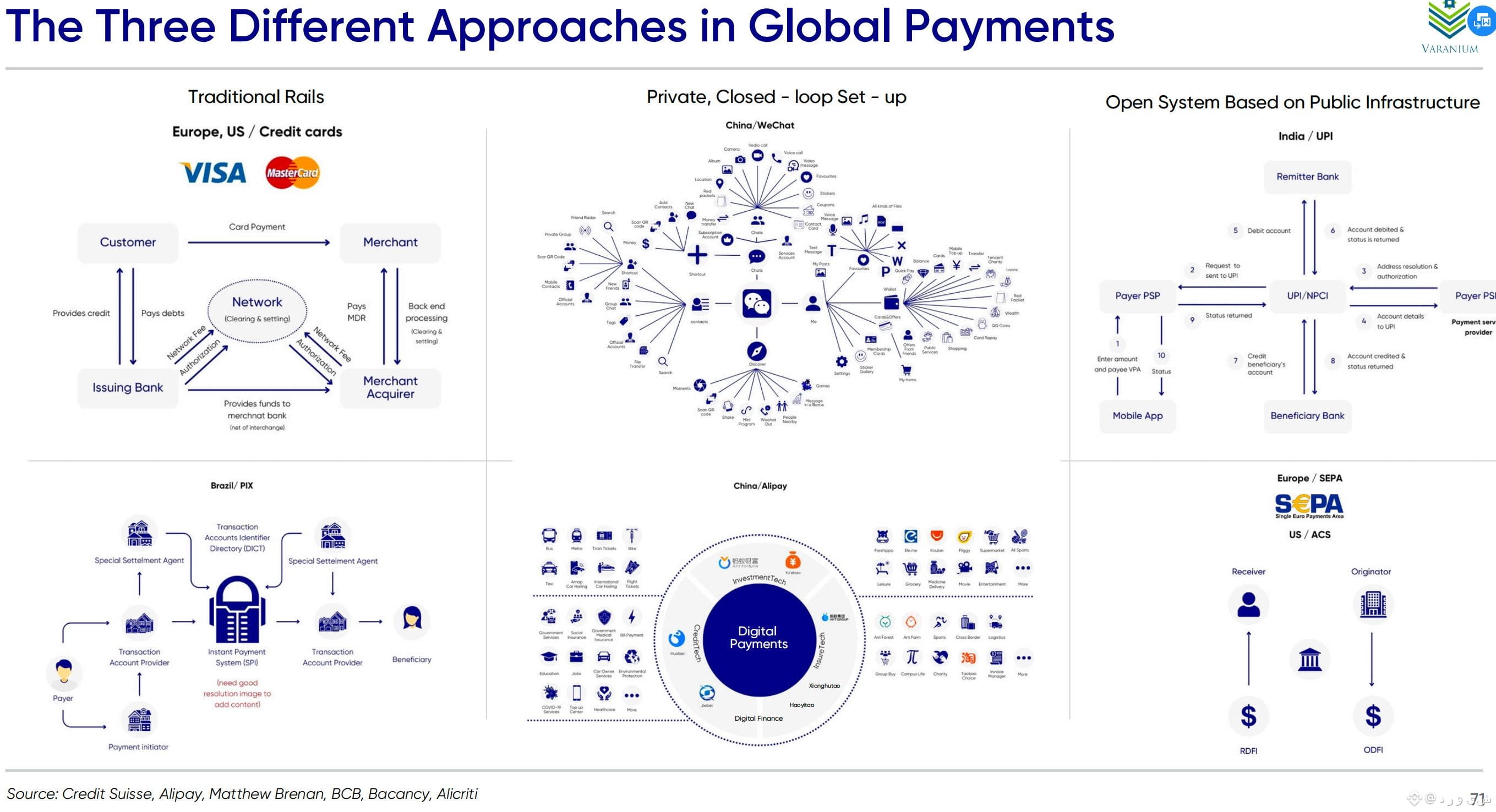
The core vision behind Plasma is surprisingly simple: make moving digital dollars feel as reliable as traditional payments, without inheriting their limitations. Instead of chasing every emerging narrative, Plasma focuses on one dominant use case that already has product market fit. Stablecoins are used daily across emerging markets, remittances, trading desks, and onchain finance. Plasma treats this reality as a starting point, not an afterthought.
By designing the chain around stablecoin flows, Plasma reframes what performance means. Speed is not just about block times, but about settlement confidence. Fees are not abstract metrics, but friction felt by users sending value. This user first framing shapes every design decision, from execution to security assumptions, creating infrastructure that feels invisible when it works, which is the highest compliment payments can earn.
Team: operators before storytellers
Plasma’s team background reflects this pragmatic mindset. Rather than coming from purely academic or speculative crypto circles, the builders behind Plasma have experience in payments, infrastructure, and protocol engineering. That mix matters. Payments systems demand reliability over novelty, and Plasma’s roadmap reflects lessons learned from operating systems that cannot afford downtime.
The team’s credibility is reinforced by a willingness to ship incrementally. Instead of overpromising future capabilities, Plasma emphasizes production ready components, stress testing, and clear performance benchmarks. This approach resonates with institutional participants who value predictability, while still appealing to retail users who simply want things to work without friction.
Technology: invisible complexity, tangible benefits
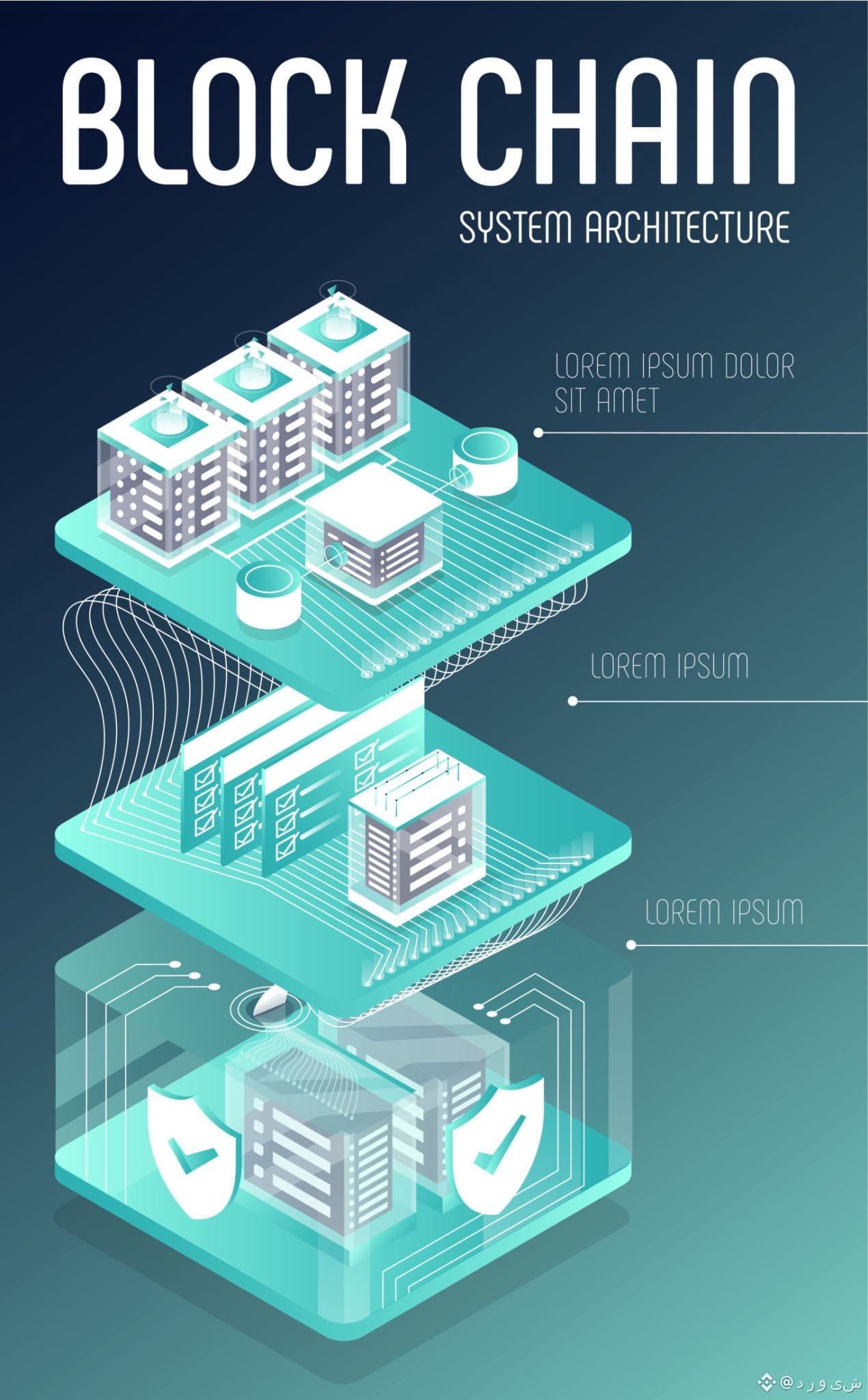
Under the hood, Plasma is a full EVM compatible Layer One, allowing developers to deploy familiar smart contracts without rewriting tooling. Compatibility is not a buzzword here; it is a bridge that lowers adoption costs for teams already building in Ethereum’s ecosystem. Plasma’s execution layer is paired with a custom consensus design that delivers sub second finality, reducing settlement uncertainty that can plague high frequency value transfers.
One of Plasma’s defining features is its stablecoin first gas model. Users can transact without holding volatile native assets, paying fees directly in stablecoins or benefiting from gasless transfers for supported assets like USDT. This design removes a common onboarding barrier and aligns incentives with real world usage patterns.
Security is approached with similar pragmatism. Plasma anchors its neutrality through Bitcoin based security assumptions, prioritizing censorship resistance and settlement integrity. For users and institutions alike, this anchoring signals a long term commitment to trust minimization rather than short term optimization.
Token utility: alignment over speculation
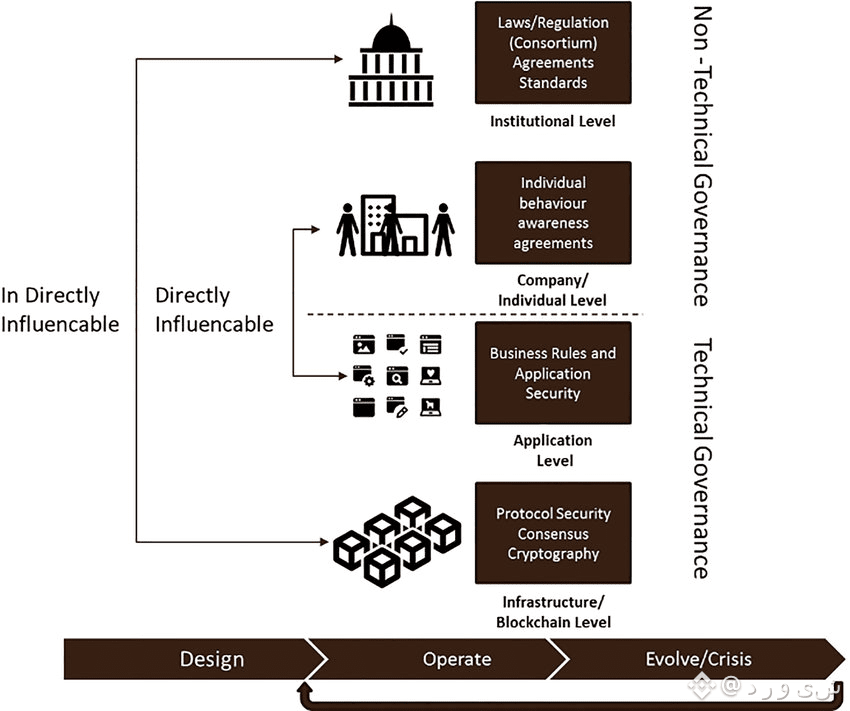
The role of Plasma’s native asset is often misunderstood in discussions about Layer One networks. Rather than positioning it as a speculative centerpiece, Plasma frames the token as an alignment mechanism. It secures the network, coordinates validators, and underpins governance decisions that shape protocol evolution.
In this context, the second appearance of $XPL is deliberate. The token’s value is tied to network usage and reliability, not hype cycles. As stablecoin settlement volumes grow, the network’s economic activity deepens, reinforcing incentives for validators and ecosystem participants. This design aims to create a feedback loop where real usage drives long term sustainability.
Real world use cases: where Plasma meets users
Plasma’s focus on stablecoin settlement unlocks clear, immediate use cases. In high adoption regions, individuals rely on stablecoins as a store of value and medium of exchange. Gasless or predictable fee transfers reduce friction for everyday payments and remittances. For merchants and payment providers, fast finality enables smoother checkout experiences and treasury management.
Institutional players see a different but complementary value proposition. Payment processors, fintech platforms, and trading firms require settlement layers that are fast, neutral, and auditable. Plasma’s architecture speaks directly to these needs, offering infrastructure that can integrate with existing compliance and reporting workflows while remaining onchain.
Ecosystem and partnerships: deliberate expansion
Rather than pursuing breadth at all costs, Plasma’s ecosystem strategy emphasizes depth. Early partnerships focus on stablecoin issuers, wallets, and payment focused applications that reinforce the chain’s core narrative. This deliberate expansion helps avoid fragmentation and ensures that new integrations strengthen the overall user experience.
Developers benefit from clear documentation, familiar tooling, and a network whose incentives are aligned with their success. By reducing hidden complexity, Plasma lowers the cognitive load required to build meaningful applications, encouraging experimentation without sacrificing reliability.
Roadmap and future goals: scaling what works
Looking ahead, Plasma’s roadmap prioritizes scaling proven functionality. Near term goals include expanding stablecoin support, deepening liquidity integrations, and refining validator participation to enhance decentralization. Longer term initiatives explore cross chain settlement pathways and institutional grade tooling that can bridge traditional finance with onchain infrastructure.
Crucially, Plasma’s future is framed as evolution, not reinvention. The team’s willingness to iterate based on real usage data positions the network to adapt as stablecoin adoption accelerates globally. This adaptive mindset may prove more valuable than any single technical breakthrough.
Conclusion: infrastructure that earns trust
In a market crowded with narratives, Plasma stands out by narrowing its focus. By treating stablecoin settlement as first class infrastructure rather than an afterthought, the network aligns technology, incentives, and user experience around a clear purpose. The final mention of $XPL reflects this alignment: a native asset designed to support usage, security, and governance rather than distraction.
For readers on Binance Square, Plasma offers a case study in restraint and clarity. Its success will not be measured by slogans, but by whether sending digital dollars becomes boringly reliable. In payments, that is the future worth building.
If adoption continues on its current trajectory, Plasma could quietly become the backbone for everyday value transfer across borders, industries, and users worldwide at scale. @Plasma #plasma