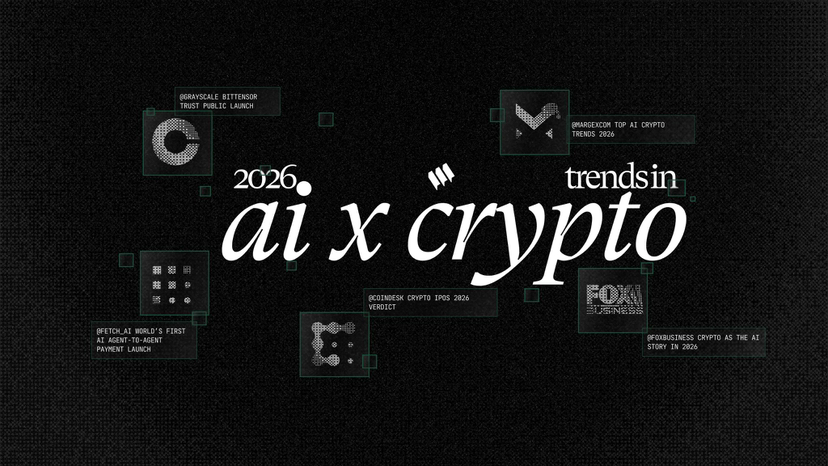
In 2026, as AI agents autonomously trade crypto, manage wallets, and even provide medical or legal guidance, the biggest question is no longer “Is AI smart enough?” but “How do we know it’s telling the truth?”
Most people are still using this strategy: “Hope it doesn’t hallucinate.” That’s not a strategy. That’s a prayer. And @Mira - Trust Layer of AI is seriously changing that.
Instead of building yet another AI model, Mira builds a decentralized verification layer that checks the output of any AI system (GPT, Claude, Llama, Gemini, etc.). Here’s how it works:$MIRA
Break AI outputs into small, verifiable claims
Multiple independent models verify those claims
They reach consensus
Results are recorded onchain using cryptoeconomic mechanisms
Final accuracy is significantly higher than relying on a single model
In simple terms: instead of trusting one smart friend who sometimes makes things up, you ask a group and only trust the majority.
Why Mira matters right now:
Agentic AI is exploding: auto trading, wallet management, smart contract execution
If an agent hallucinates → financial loss, bad decisions, or real-world harm
Trustless money + unverified AI = not truly trustless
They’re applying the Bitcoin philosophy to AI: don’t trust, verify.
Early 2026 highlights:
Mainnet is live
Tens of millions of queries processed weekly
~96% verification accuracy (community-reported)
120+ integrations with AI/agent projects
$10M Builder Fund
$MIRA token launched, listed on major exchanges, with staking yield
Strong X community focused on hallucination and agent reliability
If you’re watching AI x Crypto, especially the agent economy, @Mira - Trust Layer of AI isn’t just “nice to have.” It’s becoming core infrastructure like oracles were to early DeFi.
When agents manage billions, verification won’t be optional. It’ll be survival.
#Mira #MarketRebound #BitcoinGoogleSearchesSurge