

Somewhere around my fourth crypto cycle, I developed a habit that changed how I evaluate projects. I stopped asking "what's the narrative?" and started asking "what's the behavior?"
Narratives are easy to manufacture. Behavior over time is not.
And behavior is exactly what pulled me toward Fabric Foundation — not a tweet, not a partnership announcement, not a KOL thread. Just consistent, observable, verifiable behavior from a team that seems completely unbothered by whether or not the market is paying attention to them on any given week.
That's unusual. That's actually worth examining.
Let me tell you what the typical project lifecycle looks like from where I sit. There's a launch, there's energy, there's a community that forms around shared excitement. Then the first major test comes — a market dip, a delayed milestone, a competitor announcement — and you see who the team really is. Some double down on marketing to paper over the cracks. Some go quiet. Some pivot so aggressively that the original vision becomes unrecognizable.
Fabric Foundation hasn't done any of that. The direction has stayed coherent. The development has continued. The communication has remained honest even when honesty isn't the comfortable choice. That consistency, across different market conditions, tells you something that no whitepaper can.
Now let's talk about $ROBO specifically, because I think it deserves more nuanced attention than it typically gets in surface-level discussions.
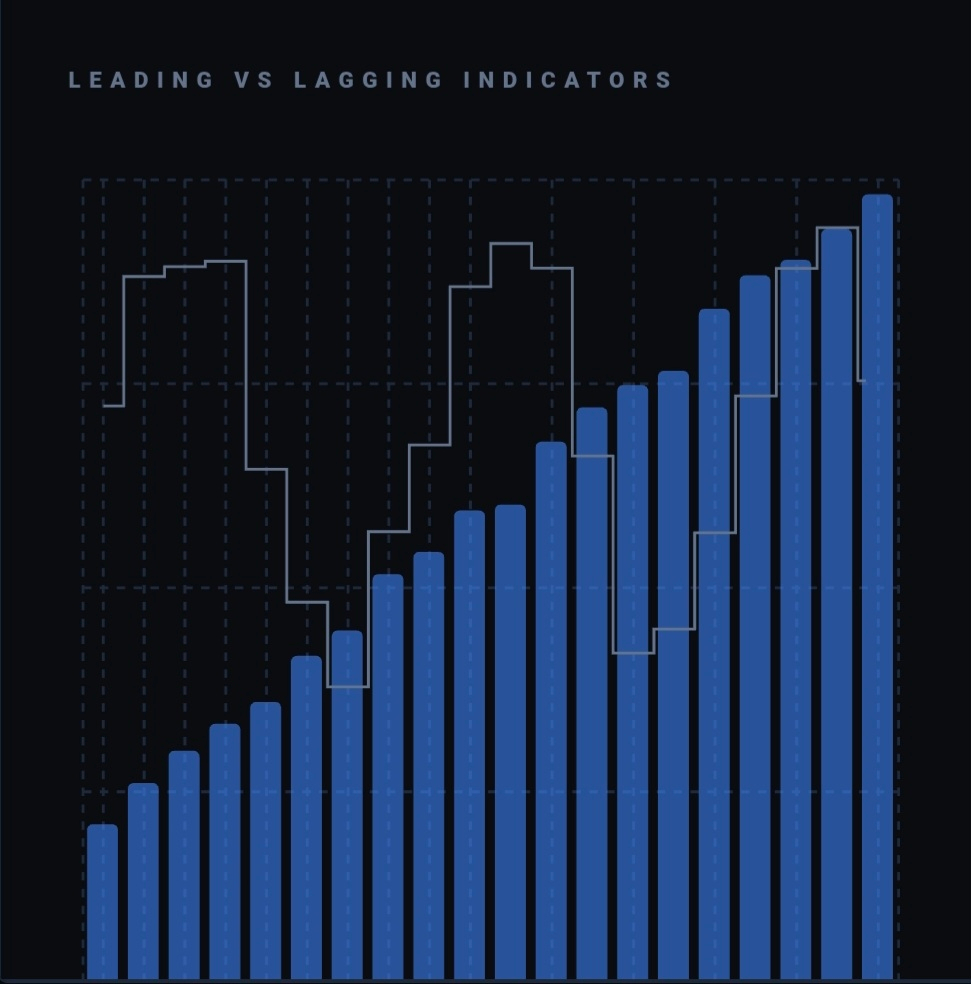
Most token conversations collapse into price speculation almost immediately. Which is understandable — price is visible, immediate, and emotionally engaging. But price is a lagging indicator. It reflects what the market currently believes, not what the protocol is actually becoming.
What I find more interesting about $ROBO is its behavioral function within the Fabric ecosystem. Tokens that are structurally tied to protocol activity tend to develop a kind of organic price discovery that purely speculative tokens never achieve. The demand isn't manufactured by marketing cycles — it emerges from actual usage. That's a fundamentally more durable foundation.
There's also a maturity to how $ROBO's role is framed by the team. They're not overselling it. They're not constructing elaborate metaphors to make a simple token sound revolutionary. They're describing what it does, why it does it, and how that connects to the broader mission of Fabric Foundation. That restraint, counterintuitively, makes me more confident — not less.
I want to say something about community, because I think it's an underrated signal.
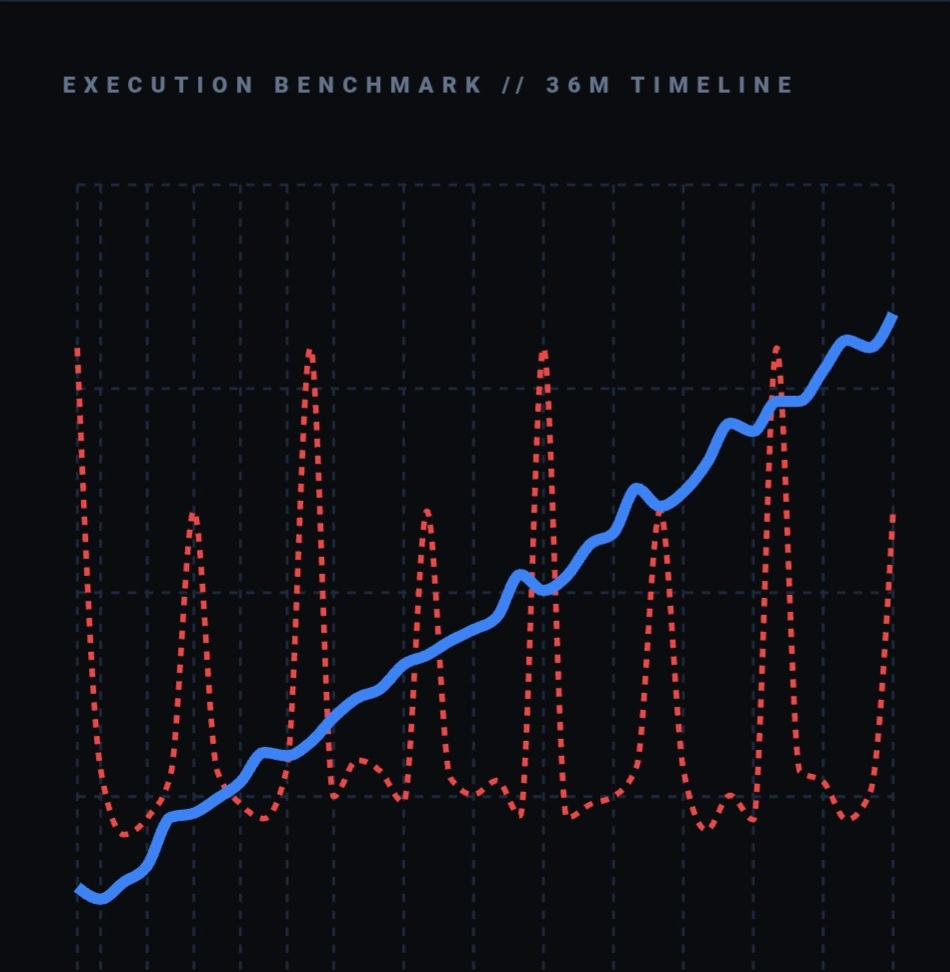
The quality of conversation inside a project's community tells you a lot about the quality of the people the project attracts. And the people Fabric Foundation attracts tend to ask harder questions than average. They're not there for the memes or the price alerts. They're there because they understand what's being built and they want to be part of it at an early stage. That kind of participant base compounds over time in ways that are genuinely difficult to replicate.
Loud communities can be bought. Thoughtful ones are earned.
We're entering a period in crypto where the market is getting better — slowly, imperfectly, but genuinely better — at distinguishing between projects that are real and projects that are theater. That's a painful transition for a lot of teams. For teams like Fabric Foundation, it's an opportunity.
The window where serious infrastructure gets overlooked in favor of flashier alternatives doesn't last forever. At some point, the market catches up to what's actually there.
I think that moment, for Fabric Foundation and $ROBO, is closer than most people realize.
#ROBO $ROBO @Fabric Foundation
@FabricFoundation #ROBO