
 In today's rapidly evolving technological landscape, autonomous systems are moving from experimental prototypes to everyday realities. Self-driving cars glide through city streets in select urban areas, delivery drones buzz overhead in controlled zones, robotic assistants help in hospitals, and smart factories run with minimal human oversight. These advancements hold enormous promise: fewer accidents caused by human error, more efficient logistics, better access to healthcare in remote regions, and optimized resource use across industries. Yet beneath the excitement lies a fundamental question that determines whether these systems will truly take hold—can people trust them?
Trust isn't automatic. It must be earned through consistent performance, clear communication, and safeguards that address real concerns. When a machine makes decisions that affect safety, privacy, finances, or well-being, hesitation is natural. Recent surveys highlight this reality. In the United States, for example, only about 13% of drivers say they would feel comfortable riding in a fully self-driving vehicle, while around 61% express outright fear. That's a slight improvement from previous years, but it shows how far the industry still has to go. Globally, similar patterns emerge—people want the benefits, but they need reassurance that the technology won't fail catastrophically or act against their interests.
This trust foundation—what some call a "trust layer"—isn't just a nice-to-have feature. It's the essential infrastructure that enables widespread adoption. Without it, regulators hesitate to approve deployments, companies face backlash, and potential users stick with familiar human-controlled alternatives. Building this foundation requires addressing multiple dimensions: making decisions understandable, protecting against threats, embedding ethical principles, proving reliability through evidence, and keeping humans meaningfully involved.
Why Trust Remains Elusive
Autonomous systems operate in complex, unpredictable environments. A vehicle must interpret thousands of signals every second—pedestrians darting across roads, sudden weather changes, erratic drivers nearby. Unlike traditional software with fixed rules, many modern systems rely on machine learning, which learns patterns from vast data but can sometimes produce unexpected results. This probabilistic nature creates uncertainty. People wonder: Why did the car brake suddenly? What if it misreads a sign? How do we know it's not being hacked?
High-profile incidents amplify doubts. Crashes involving experimental autonomous vehicles, even when rare, receive intense media coverage. Meanwhile, everyday frustrations—like delayed deliveries from drones or misdiagnoses suggested by medical AI—erode confidence over time. Cultural factors play a role too. In some societies, handing control to a machine feels unnatural, especially in high-stakes situations like elder care or child transportation.
The good news is that trust can grow. Exposure helps—people who ride in supervised autonomous vehicles often report higher comfort levels afterward. Transparent communication about successes and failures builds credibility. And deliberate design choices can make systems feel more reliable from the start.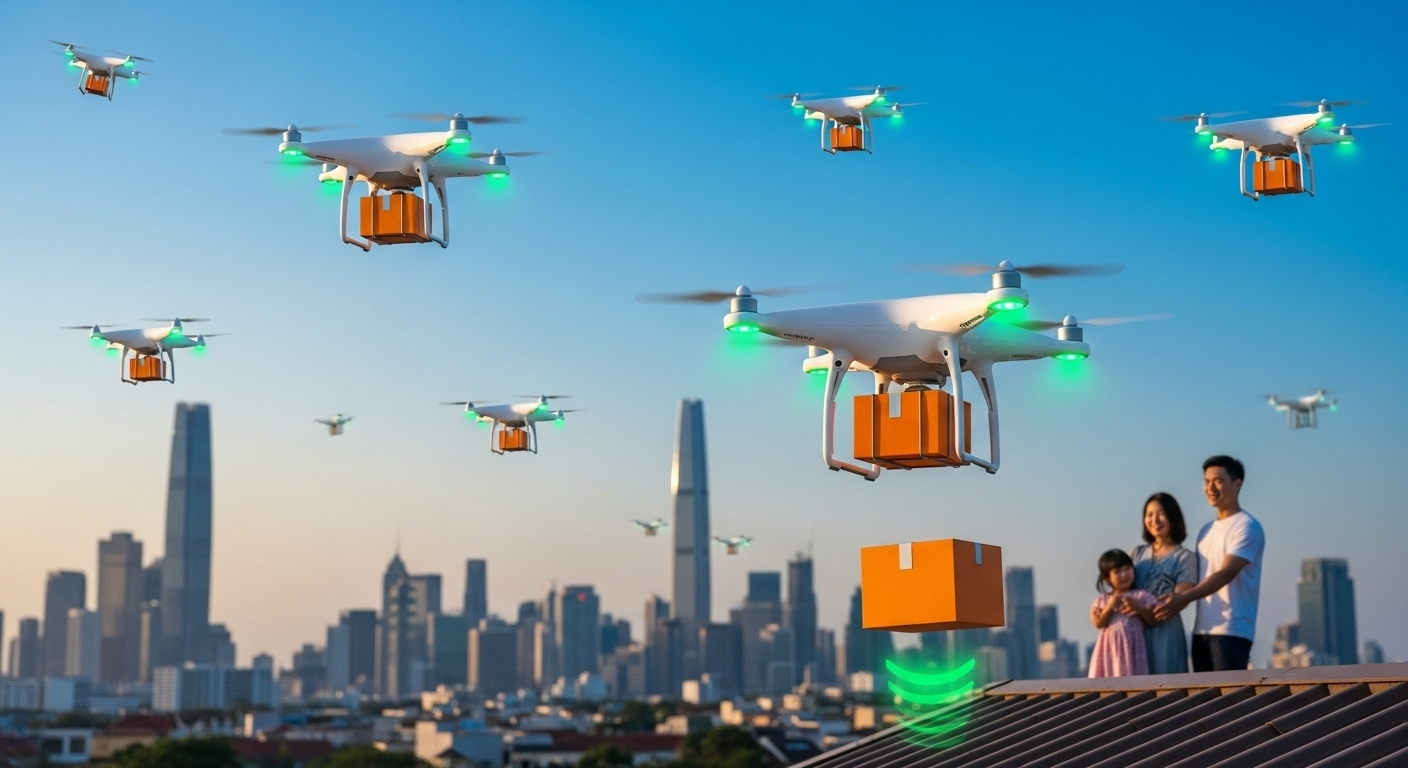
Core Elements of a Strong Trust Foundation
A solid trust foundation rests on several interconnected pillars.
Making Decisions Clear and Understandable
One of the biggest hurdles is the "black box" problem—systems produce answers, but the reasoning remains hidden. To counter this, developers increasingly focus on clarity. Instead of opaque neural networks alone, hybrid approaches combine powerful learning models with interpretable components. For instance, when an autonomous vehicle avoids an obstacle, it can generate a simple breakdown: "Detected pedestrian 15 meters ahead via front camera and radar; calculated collision risk at 92%; initiated gentle braking." Visual overlays in apps or dashboards show these factors in real time.
Companies also publish detailed reports on performance. Some share anonymized logs of millions of miles driven, highlighting interventions, near-misses, and resolutions. This openness lets independent experts verify claims and reassures the public that nothing is being hidden.
Protecting Against Vulnerabilities
Security threats loom large. Connected systems can be targeted by hackers seeking disruption or data theft. A compromised drone could deliver wrong packages or worse. Robust defenses include layered protections: encrypted communications, regular software updates pushed securely, and hardware features that resist tampering.
Redundancy adds another safeguard—multiple sensors cross-check each other, so one faulty reading doesn't cause catastrophe. Systems designed to "fail safe" default to conservative actions, like pulling over when confidence drops. Emerging approaches use distributed ledgers to create unalterable records of operations, making it easier to trace issues after the fact.
Embedding Ethical Considerations from the Start
Autonomous systems don't exist in a vacuum—they interact with diverse people and societies. Fairness matters: training data must represent varied demographics to avoid biased outcomes, such as recognition systems performing poorly for certain groups. Principles like avoiding harm, respecting privacy, and promoting equity guide design.
Oversight mechanisms help. Independent review boards evaluate deployments, especially in sensitive areas like healthcare or public safety. Policies ensure human override remains possible in critical moments, preserving autonomy while preventing unchecked machine authority.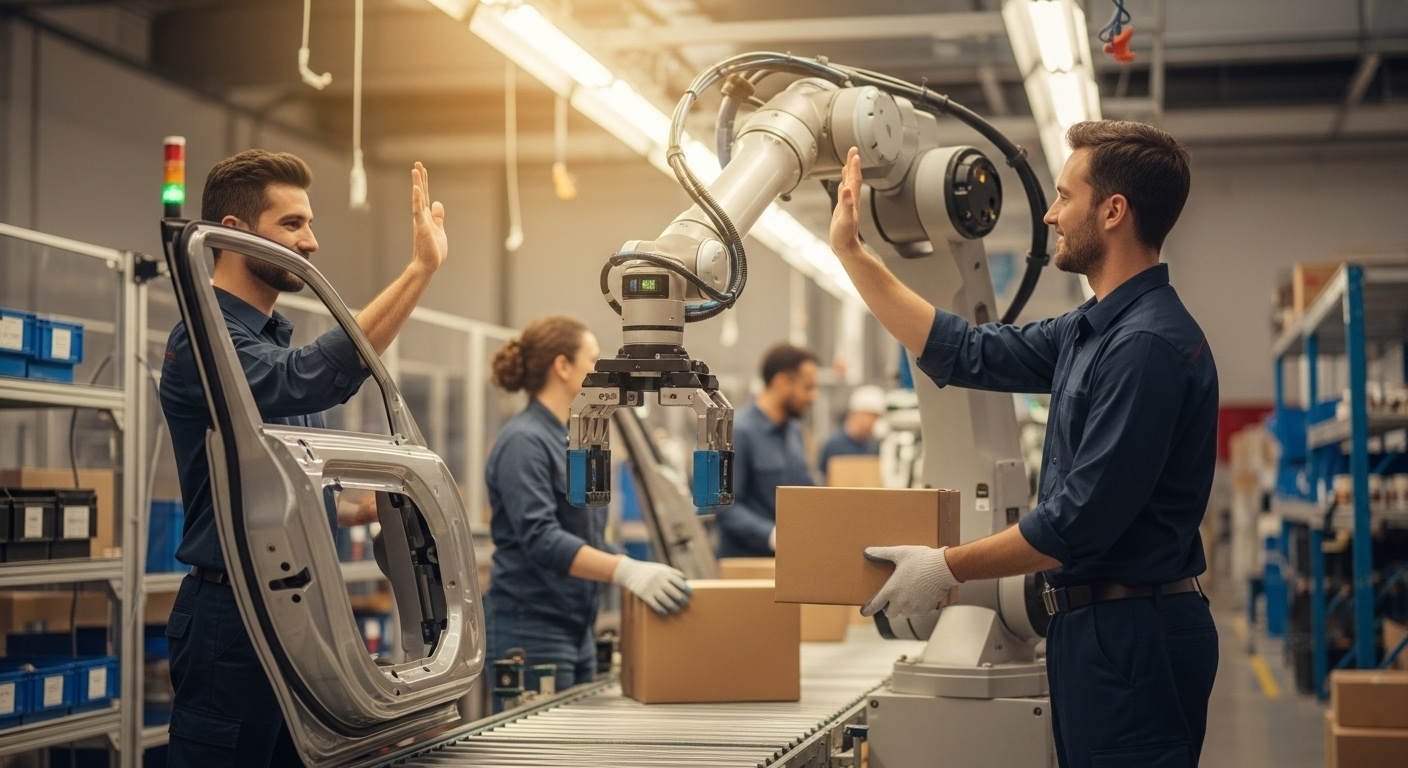
Proving Reliability Through Evidence
Words alone aren't enough—evidence builds belief. Rigorous testing in simulated and real environments accumulates data equivalent to billions of miles. Third-party certifications, similar to safety ratings for conventional cars, provide objective benchmarks.
Ongoing monitoring tracks performance post-deployment. If patterns emerge—like higher error rates in fog—updates address them quickly. Publicly available metrics, such as miles between serious incidents, allow comparisons with human drivers, often showing advantages in controlled settings.
Fostering Human-Machine Partnership
Full replacement rarely inspires confidence. Many systems work best as collaborators. In manufacturing, robots handle repetitive tasks while humans manage exceptions. In medicine, AI suggests options, but professionals decide. Gradual introduction—starting with assistance features—lets people build familiarity.
Feedback channels turn users into participants. Easy reporting of confusing behaviors helps refine systems, creating a virtuous cycle where improvements reflect real-world needs.
Learning from Real Deployments
Several organizations demonstrate effective approaches. One leading player in urban ride-hailing publishes regular safety summaries, detailing reductions in injury crashes compared to human benchmarks. They emphasize transparency, sharing data on disengagements and responses, which helps counter skepticism.
In contrast, some approaches face criticism for limited disclosure, fueling debates about whether speed of deployment trumps openness. Balanced strategies—combining aggressive innovation with clear reporting—seem most promising for long-term acceptance.
Industrial examples show similar patterns. Factories using predictive robotics reduce downtime through constant monitoring and explainable alerts, earning worker buy-in by showing tangible benefits.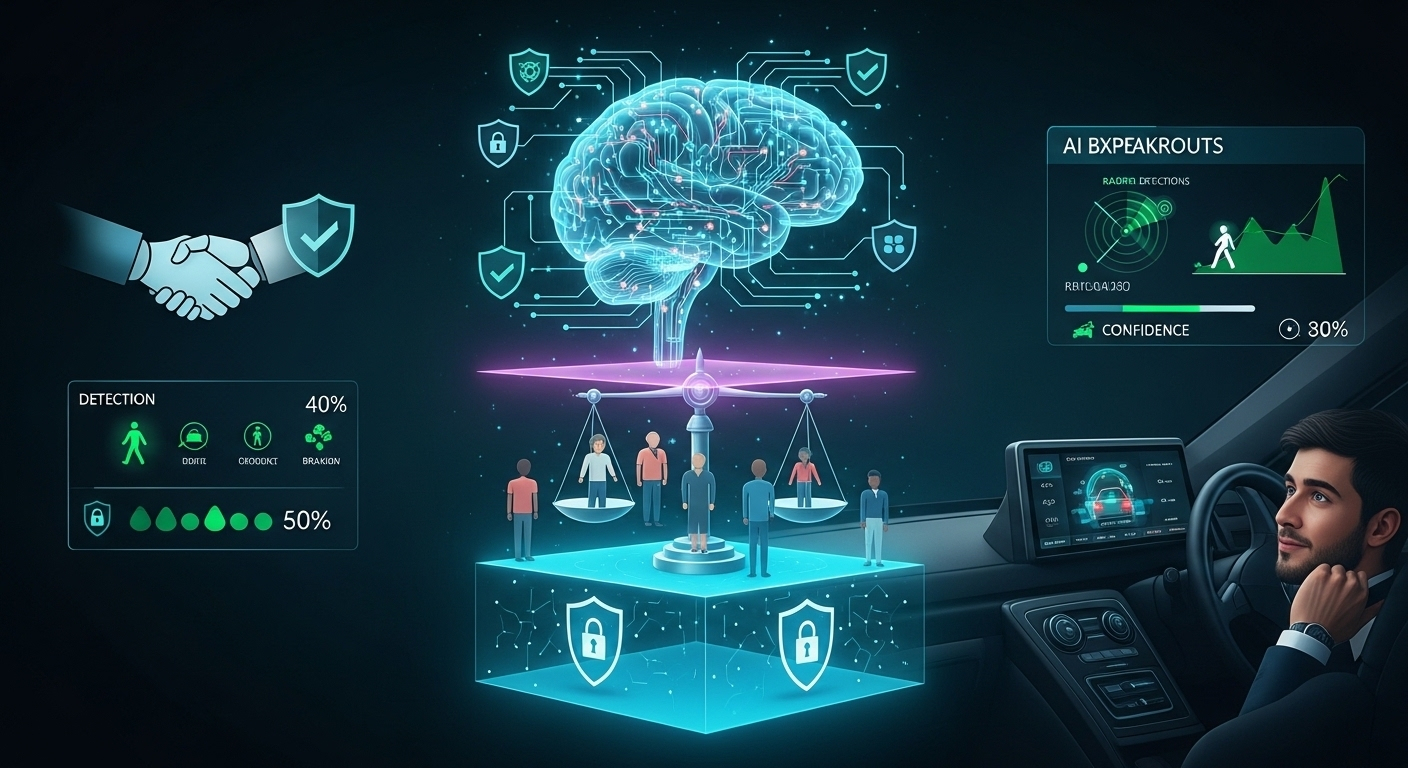
Addressing Persistent Challenges
Obstacles remain. High implementation costs can slow progress, especially for smaller players. Regulatory differences across regions create compliance headaches. Privacy tensions arise when data collection enables improvements but risks exposure.
Cultural resistance requires education and demonstration. In places with strong traditions of human oversight, gradual pilots prove value without forcing abrupt change.
Technical limitations persist—perfect explainability for complex models remains elusive, and adversarial attacks test resilience. Yet incremental advances close these gaps.
Looking Forward
As autonomous systems mature, the trust foundation will likely become standardized. Global frameworks could emerge, akin to aviation safety protocols, ensuring consistent benchmarks. Advances in hardware and software will make clarity and security more seamless.
By 2035 or beyond, widespread use seems plausible if trust keeps pace with capability. Cities with seamless autonomous transport, personalized healthcare assistants, and efficient supply chains could become normal. The key lies in prioritizing people—designing not just for performance, but for confidence.
In the end, autonomous systems succeed not by being infallible, but by being accountable, understandable, and aligned with human values. When people feel safe relying on them, the true potential unfolds: technology that augments life rather than replaces it, built on a foundation of earned trust.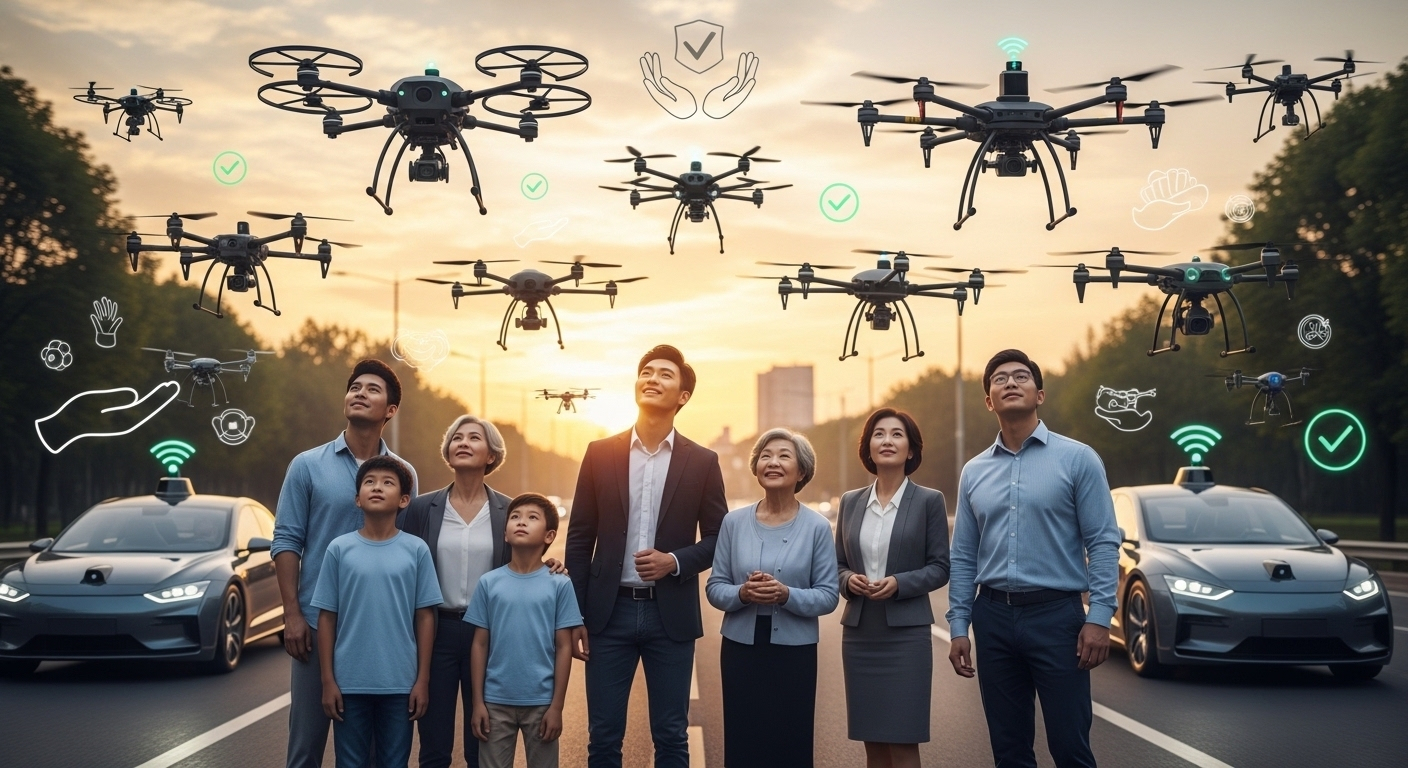
#mira #Mira #BitcoinGoogleSearchesSurge #USCitizensMiddleEastEvacuation