
Mira Network immediately stood out to me because it doesn’t try to make AI louder or faster — it tries to make it accountable. That distinction feels small at first, but the more I studied decentralized systems, the more it felt fundamental.
Modern AI can sound convincing even when it’s wrong. Hallucinations, subtle bias, and overconfident outputs create a fragile layer beneath automation. If autonomous agents begin coordinating financial transactions or governance logic, a single unverified claim can quietly distort outcomes. The real weakness isn’t intelligence — it’s unchecked certainty.
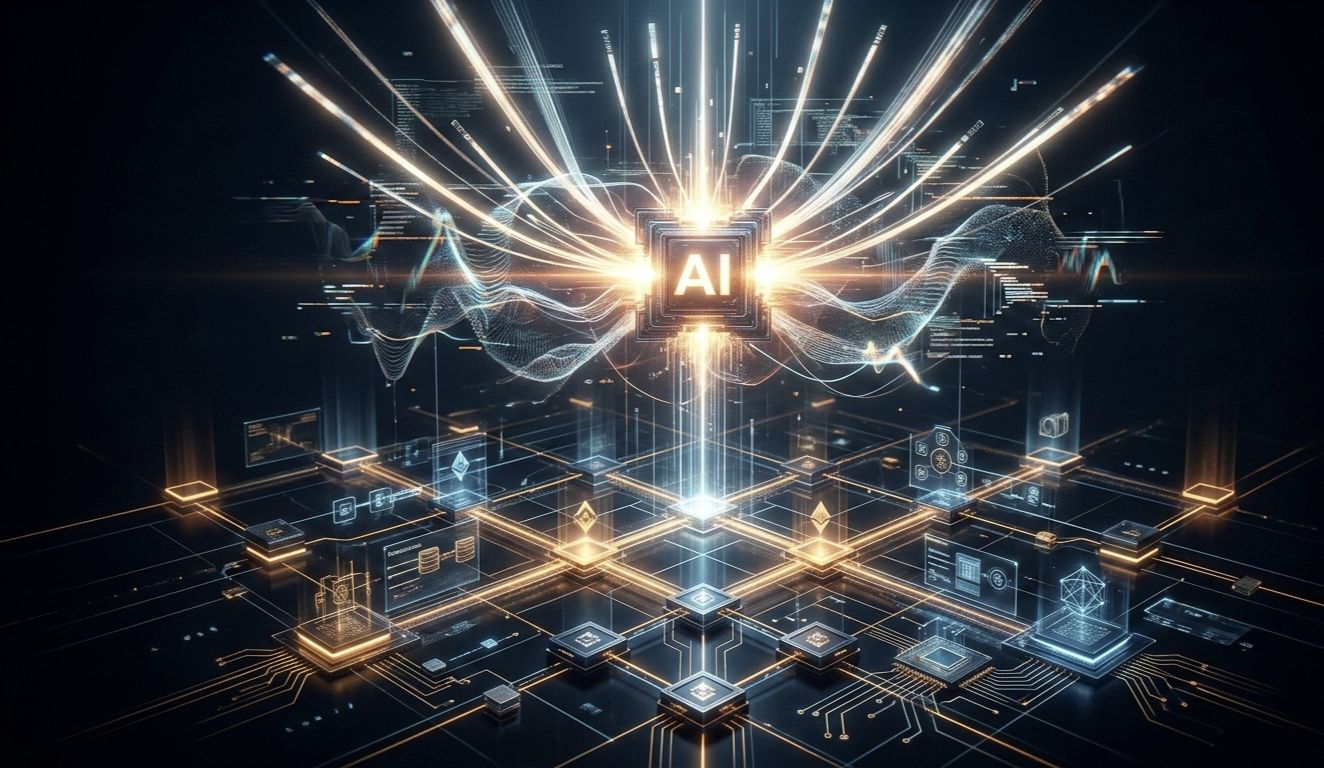
What makes Mira Network compelling is its structural response. Instead of trusting one model’s answer, it decomposes outputs into verifiable claims, distributes them across independent AI validators, and anchors final agreement through blockchain consensus. Verification becomes decentralized, incentive-aligned, and transparent.
That shift reframes trust in AI-driven ecosystems. In a future where machines increasingly interact without human supervision, reliability cannot depend on reputation alone. It must be mathematically reinforced.
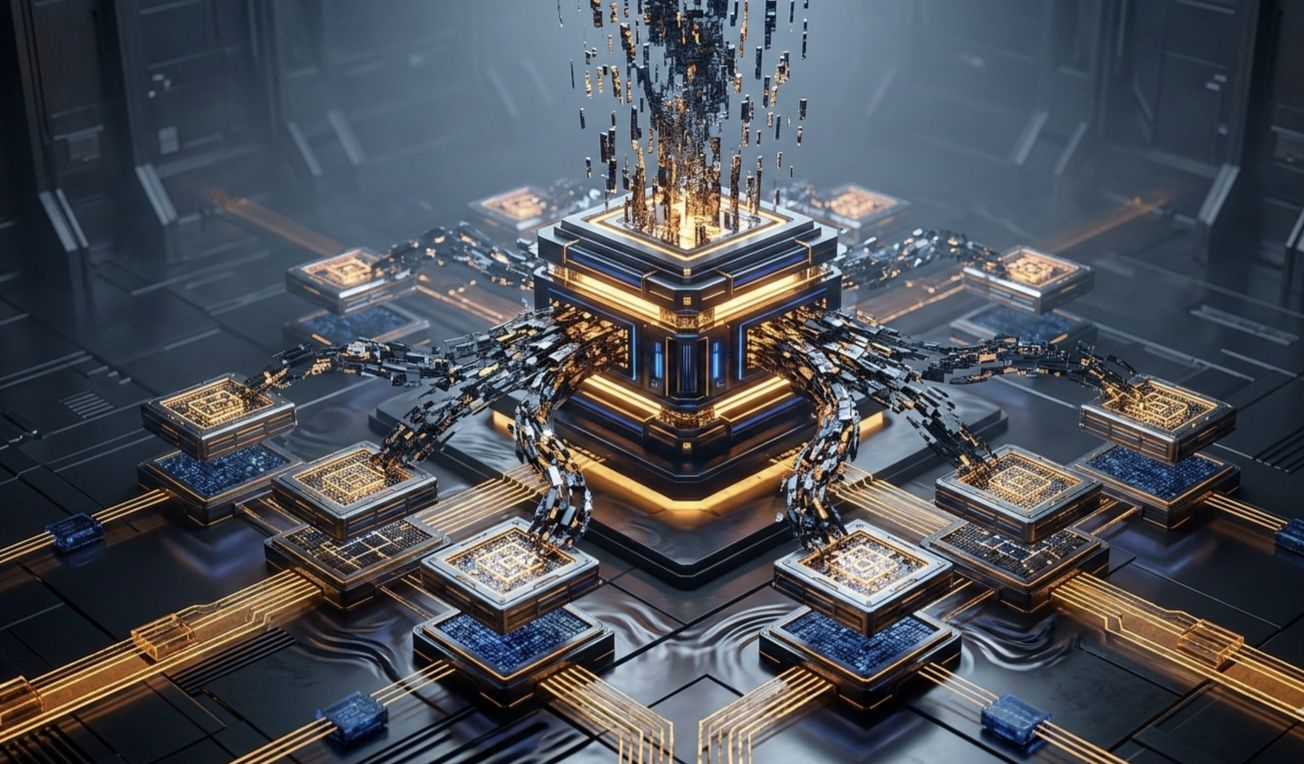
Mira Network doesn’t just improve AI outputs it strengthens the foundation beneath autonomous intelligence, where proof matters more than persuasion.
@Mira - Trust Layer of AI $MIRA #Mira
