
Artificial intelligence is no longer experimental technology operating at the edges of innovation. It now powers financial systems, healthcare diagnostics, logistics planning, research automation, and enterprise decision-making. As AI becomes deeply integrated into critical infrastructure, one question grows louder: Can we truly trust its outputs?

While modern AI models generate fast, confident, and highly sophisticated responses, confidence does not equal correctness. Beneath the surface of impressive language generation and predictive analytics lies a structural limitation — most AI systems are probabilistic engines. They predict likely answers based on patterns, not verified facts. In low-risk scenarios, minor inaccuracies may go unnoticed. But in high-stakes environments, even small reasoning gaps can lead to serious consequences.
The Hidden Reliability Gap in Advanced AI
Today’s AI architectures are optimized for scale, performance, and speed. They are trained on massive datasets to maximize predictive accuracy. However, they lack an independent verification layer capable of validating outputs before those outputs influence decisions.
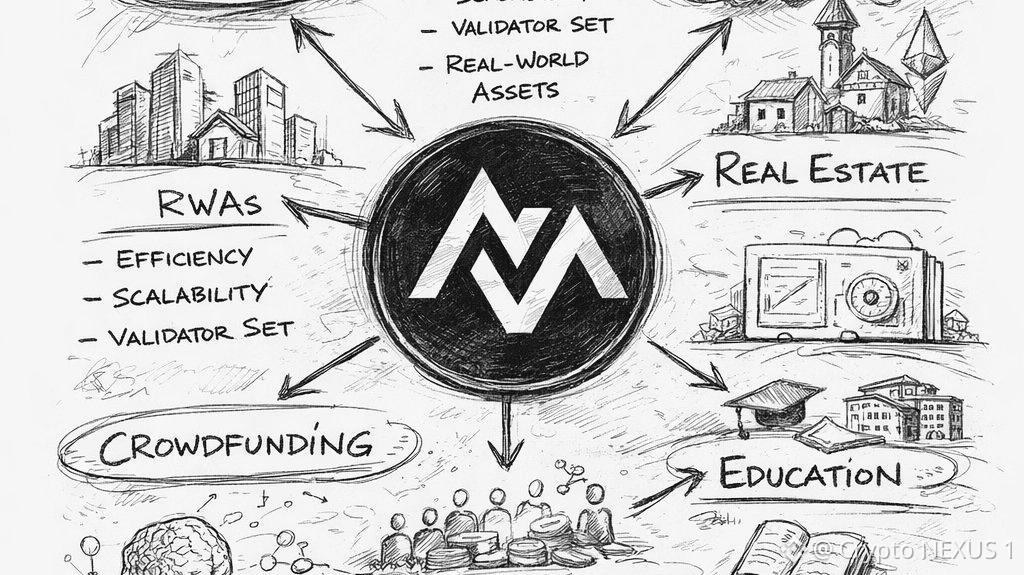
This means:
Errors can pass through undetected
Contextual distortions may remain hidden
Confident language can mask factual inconsistencies
As organizations move toward automation and AI-assisted governance, this structural weakness becomes increasingly risky.
Mira Network: A Verification-First Architecture
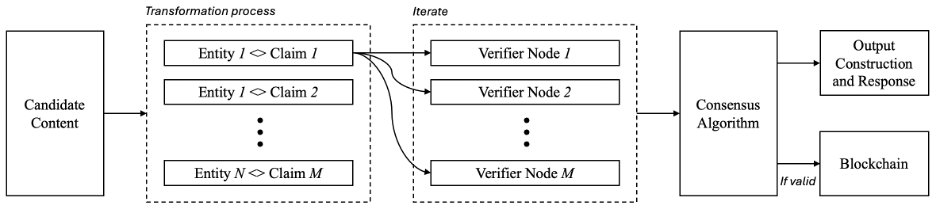
Rather than competing to build larger models, Mira Network focuses on a different priority — post-generation validation.
Its architecture separates intelligence from confirmation. AI systems generate outputs, but those outputs are not immediately trusted. Instead, they enter a decentralized verification framework where information is examined before it is accepted or deployed.
This separation introduces accountability into an ecosystem traditionally driven only by performance metrics.
Turning AI Outputs into Testable Claims
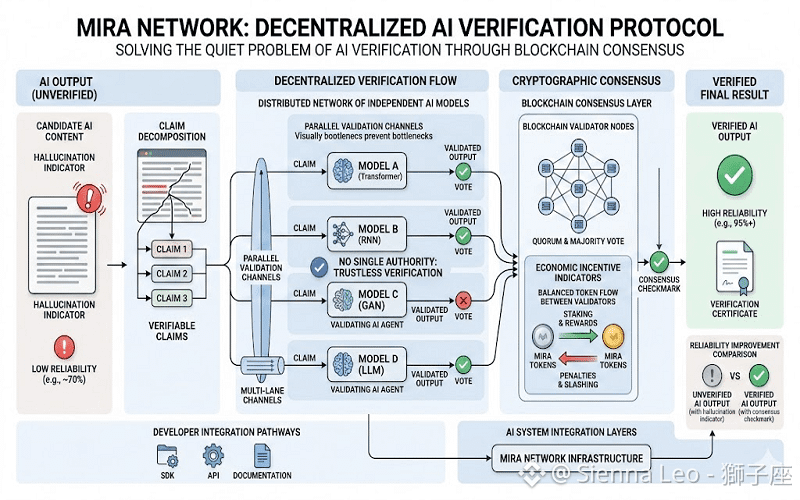
When AI generates content, Mira restructures that output into clearly defined, testable assertions. Each assertion represents a specific claim that can be independently evaluated.
By breaking complex responses into smaller components:
Hidden inaccuracies are isolated
Logical gaps become visible
Verification occurs at a granular level
This structured decomposition prevents a single flawed assumption from compromising an entire conclusion.
Decentralized Consensus Over Centralized Authority
Instead of relying on one authority, claims are distributed across a network of independent validators. Each participant reviews assertions separately, applying diverse reasoning methods.
Approval is achieved only after sufficient agreement across the network.
This decentralized consensus model:
Reduces shared blind spots
Limits systemic bias
Strengthens collective reliability
Trust becomes a product of distributed agreement rather than centralized control.
Blockchain-Backed Transparency
Verification results are recorded on-chain, creating a permanent and immutable audit trail. This ensures:
Transparent validation history
Clear accountability
Compliance-ready documentation
For industries operating under regulatory pressure, this auditability becomes a strategic advantage.
Incentives That Reward Accuracy
Mira Network integrates economic incentives aligned with precision. Validators are rewarded for accurate assessments, encouraging responsible participation.
Over time:
Reputation reflects performance
Accuracy becomes measurable
Integrity becomes economically valuable
Instead of assuming correctness, the system financially reinforces it.
Preparing AI for High-Stakes Autonomy
As AI evolves toward autonomous execution in finance, healthcare, logistics, and scientific research, unchecked outputs become increasingly dangerous. Verification can no longer remain optional.
It must become foundational infrastructure.
Mira Network positions itself as a reliability layer — bridging powerful AI generation with structured accountability.
From Probabilistic Outputs to Verified Digital Truth
The future of artificial intelligence will not be defined solely by model size or processing speed. It will be defined by trust.
By introducing decentralized validation, structured claim analysis, and transparent consensus mechanisms, Mira Network aims to transform AI from a probabilistic prediction engine into a system of verifiable digital truth.In the age of intelligent systems, reliability is no longer a featureIt is the foundation.