
For a long time, I kept hearing about robots AI systems, public ledgers, and something called verifiable computing. Honestly, it all sounded too technical and far away from real life. I thought it was only for engineers or big tech companies. But the day I truly understood what Fabric Protocol is trying to do, everything became simple. I realized it is not just about robots. It is about trust. It is about safety. It is about how humans and machines can work together without fear.
In this article I will explain Fabric Protocol in very simple English from a beginner’s point of view. I will share what the project is, how it works, and why it could change the way we build and control robots in the future.
What Is Fabric Protocol.
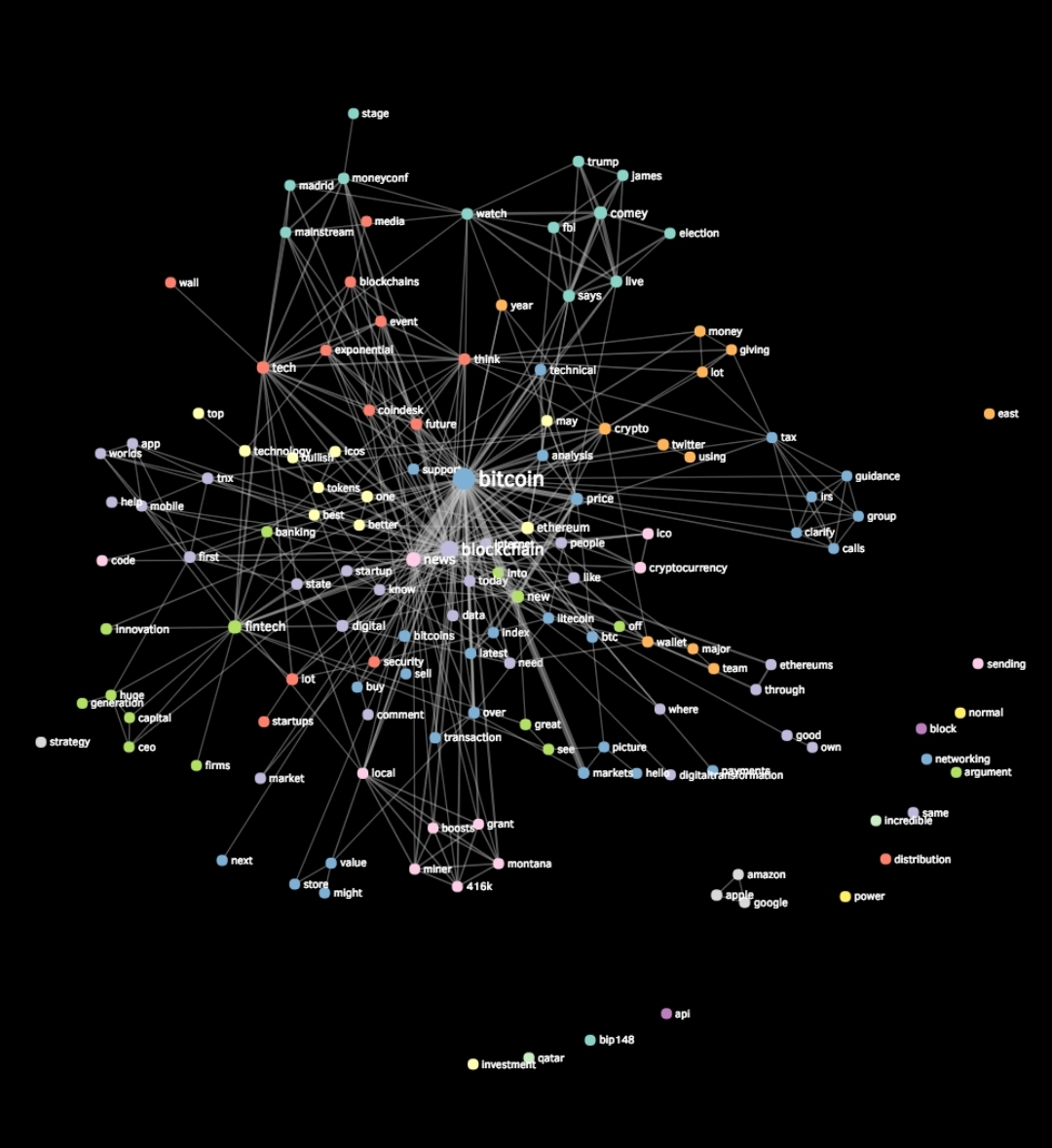
Fabric Protocol is a global open network. It is supported by a non profit organization called the Fabric Foundation. The main goal of this network is to help people build, manage, and improve general purpose robots in a safe and transparent way.
When we say general purpose robots, we mean robots that can do many different tasks. Not just one small job in a factory, but robots that can move, learn, adapt, and work in the real world with humans.
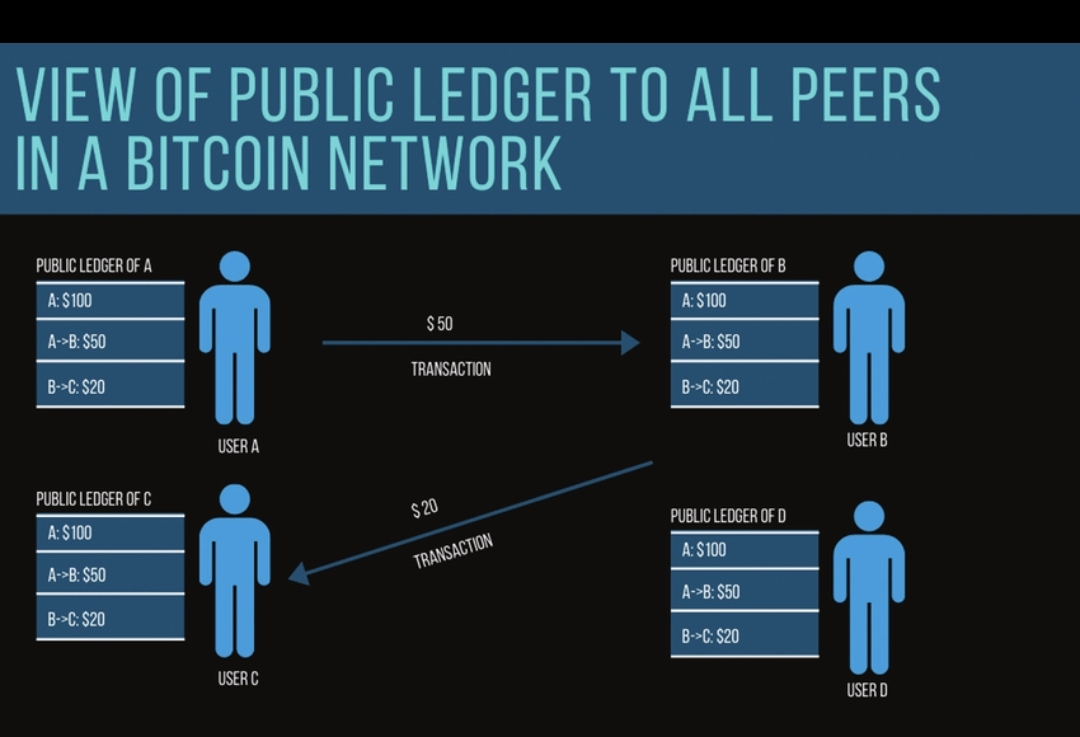
Fabric Protocol gives developers a shared system where they can coordinate data, computing power, and rules. All of this is recorded on a public ledger. A public ledger is like a shared digital notebook that everyone can see and verify. It helps make sure nothing is hidden or secretly changed.
So in simple words, Fabric Protocol is a system that helps people build smart robots together, while making sure everything is safe, fair, and transparent.
Why Do We Even Need Something Like This
At first, I used to think robots are already smart enough. We see videos online of robots walking, talking, and even doing simple tasks. But when I started reading more, I understood the real problem.
Robots and AI systems can make mistakes. They can misunderstand instructions. They can act in unexpected ways. If a robot is working in a hospital, a home, or on the road, even a small mistake can become dangerous.
If different companies build robots in closed systems, there is no shared standard for safety and governance. If something goes wrong, it becomes hard to check what happened and who is responsible.
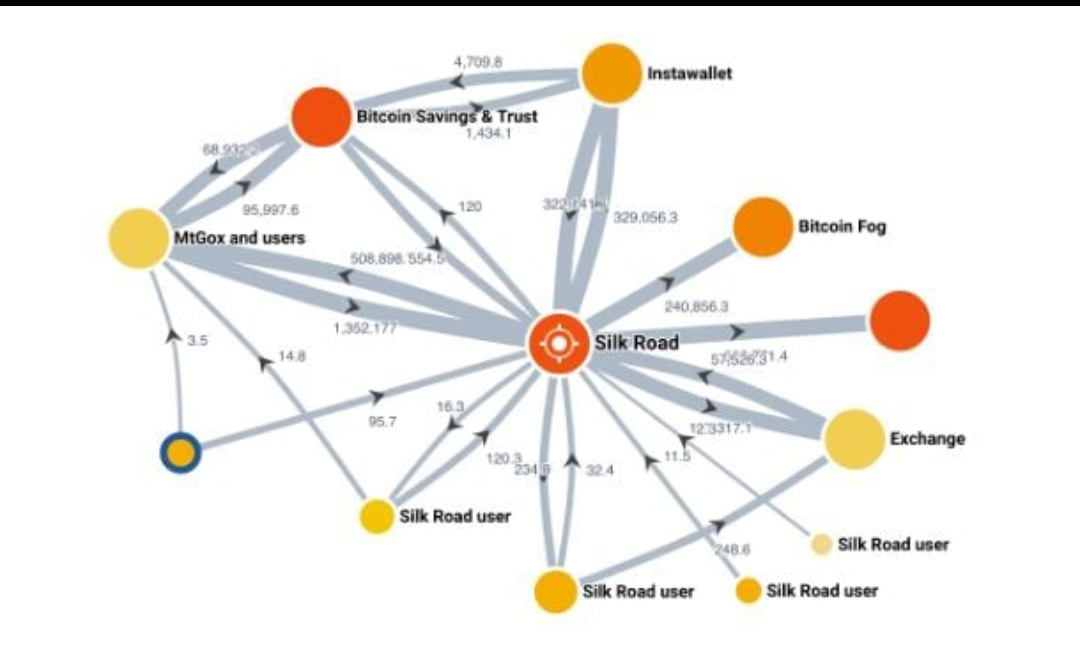
This is where Fabric Protocol becomes important. It tries to create a common infrastructure. It connects robots and systems through a public ledger. This means actions, data, and decisions can be verified. If something happens, we can trace it back and understand it.
We are seeing a world where robots are slowly moving from labs into daily life. If we do not build trust now, it will become harder later.
What Is Verifiable Computing in Simple Words
Verifiable computing sounds complex, but when I finally understood it, it felt very logical.
Normally, when a machine does a calculation or makes a decision, we just trust it. We assume it did the right thing. But what if we could mathematically prove that the result is correct?
Verifiable computing allows a system to show proof that its computation was done correctly. It is like showing your full working in a math exam instead of only writing the final answer.
In Fabric Protocol, this idea is very important. Robots and AI agents can prove that their actions or decisions followed certain rules. If they say they checked a safety condition, there is proof. If they say they followed a regulation, there is proof.
This builds trust not only between humans and machines, but also between different machines.
What Does Agent Native Infrastructure Mean
When I first heard the term agent native infrastructure, I was confused. But then I thought about it differently.
Today, most digital systems are built for humans. We click buttons. We log in. We send messages. But in the future, AI agents and robots will also interact directly with digital systems.
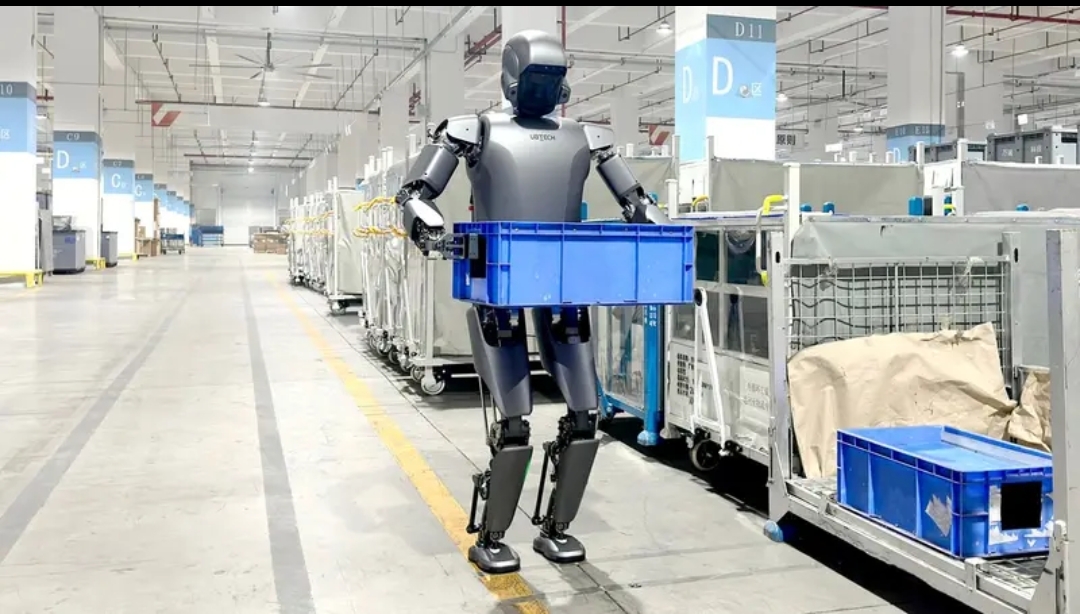
Agent native infrastructure means the system is designed from the start for AI agents and robots. They can communicate, make agreements, share data, and follow rules automatically.
If a robot needs to access certain data, it can do it through the network in a secure and verified way. If it needs permission, it can check rules recorded on the ledger.
It becomes a world where machines are not just tools, but active participants in a digital ecosystem.
How Governance Works in Fabric Protocol
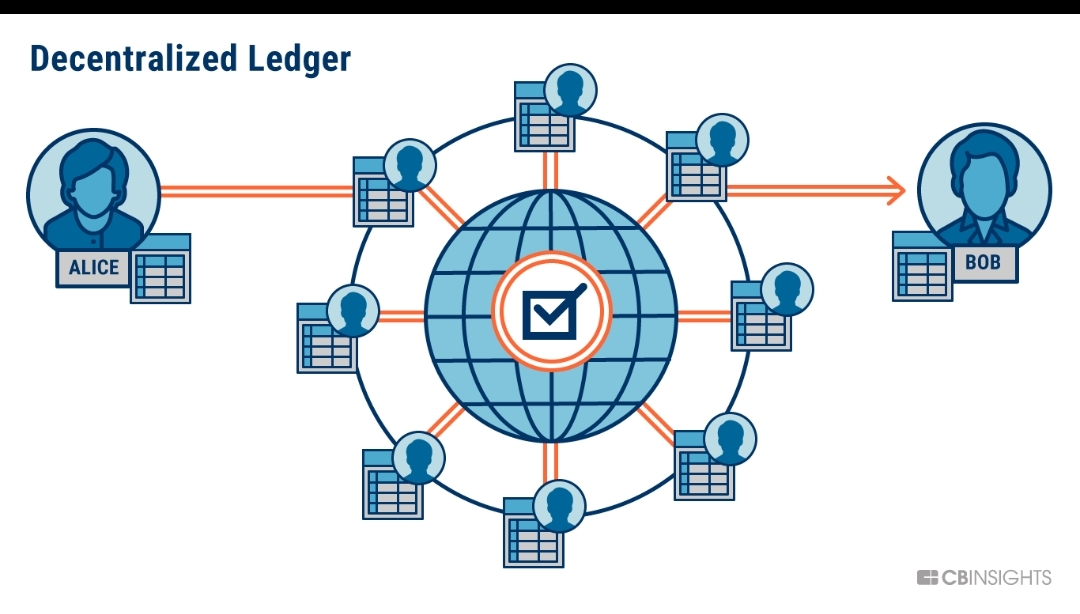
Governance simply means who makes the rules and how decisions are made.
Fabric Protocol uses a public ledger to coordinate regulation. This means rules can be written into the system. They are visible. They are transparent. They cannot be secretly changed.
The Fabric Foundation supports the development of the network, but the idea of an open protocol means that many people and organizations can participate.
If we think about the future, robots might work in public spaces, homes, hospitals, and factories. We need shared rules. We need a way to update those rules as technology evolves.
If governance is built into the infrastructure itself, it becomes easier to adapt safely.
Why This Matters for Beginners Like Us
When I first looked at Fabric Protocol, I thought it was only for developers. But then I realized something important.
If robots become part of daily life, this affects all of us. It affects how safe our workplaces are. It affects how our data is used. It affects how decisions are made around us.
Understanding projects like Fabric Protocol helps us see the bigger picture. We are not just watching technology grow. We are part of a society that must decide how it grows.
If systems are built with transparency and verifiable proofs, it becomes easier to trust them. And trust is the foundation of any new technology.
A Simple Example to Imagine
Imagine a robot working in a hospital. It delivers medicine to patients.
Without a system like Fabric Protocol, we only hope the robot follows the correct instructions. If something goes wrong, it may be hard to check what happened.
With a verifiable and ledger based system, every step can be recorded. The robot can prove it received the right instruction. It can prove it checked the correct patient ID. It can prove it followed safety rules.
If there is a mistake, we can trace it clearly. If everything works well, we have confidence.
This is how human machine collaboration becomes safer and more reliable.
The Bigger Vision
When I step back and look at the full picture, I see that Fabric Protocol is not just about robots. It is about building an open and shared infrastructure for the next generation of intelligent machines.
It connects data, computation, and regulation in one coordinated system. It uses a public ledger to create transparency. It supports modular infrastructure so developers can build flexible and adaptable robots.
We are slowly moving toward a world where machines will not only assist us but also act independently in many situations. If we want that world to be safe, we need strong foundations.
Fabric Protocol is trying to build that foundation.
Conclusion
The day I finally understood Fabric Protocol, I stopped seeing it as a complicated technical idea. I started seeing it as a trust layer for robots.
It is a global open network supported by the Fabric Foundation. It enables the construction, governance, and evolution of general purpose robots. It uses verifiable computing and a public ledger to coordinate data, computation, and regulation.
In simple words, it helps humans and machines work together safely.
If we are entering a future where robots are everywhere, then systems like Fabric Protocol are not optional. They are necessary.
Now I am not just watching this space with confusion. I am watching it with curiosity and hope.
If you are new to this topic, take your time, read slowly, and ask questions. The future of robotics is not only for engineers. It is for all of us.
Let us learn together and stay informed as this technology evolves.