

In a market flooded with AI tokens promising disruption, I have learned to focus on one core question: how does the token actually sustain the protocol?
Hype cycles rotate fast. Infrastructure survives on economic logic. When analyzing Mira, what stands out is not the AI narrative itself, but the attempt to design a verification economy where token utility is structurally embedded into network activity.
This is where the conversation becomes interesting.
Tokenomics as Security Architecture, Not Marketing
Many projects treat tokenomics as a distribution schedule plus staking rewards. Mira’s model, however, appears to position MIRA as the security backbone of the network.
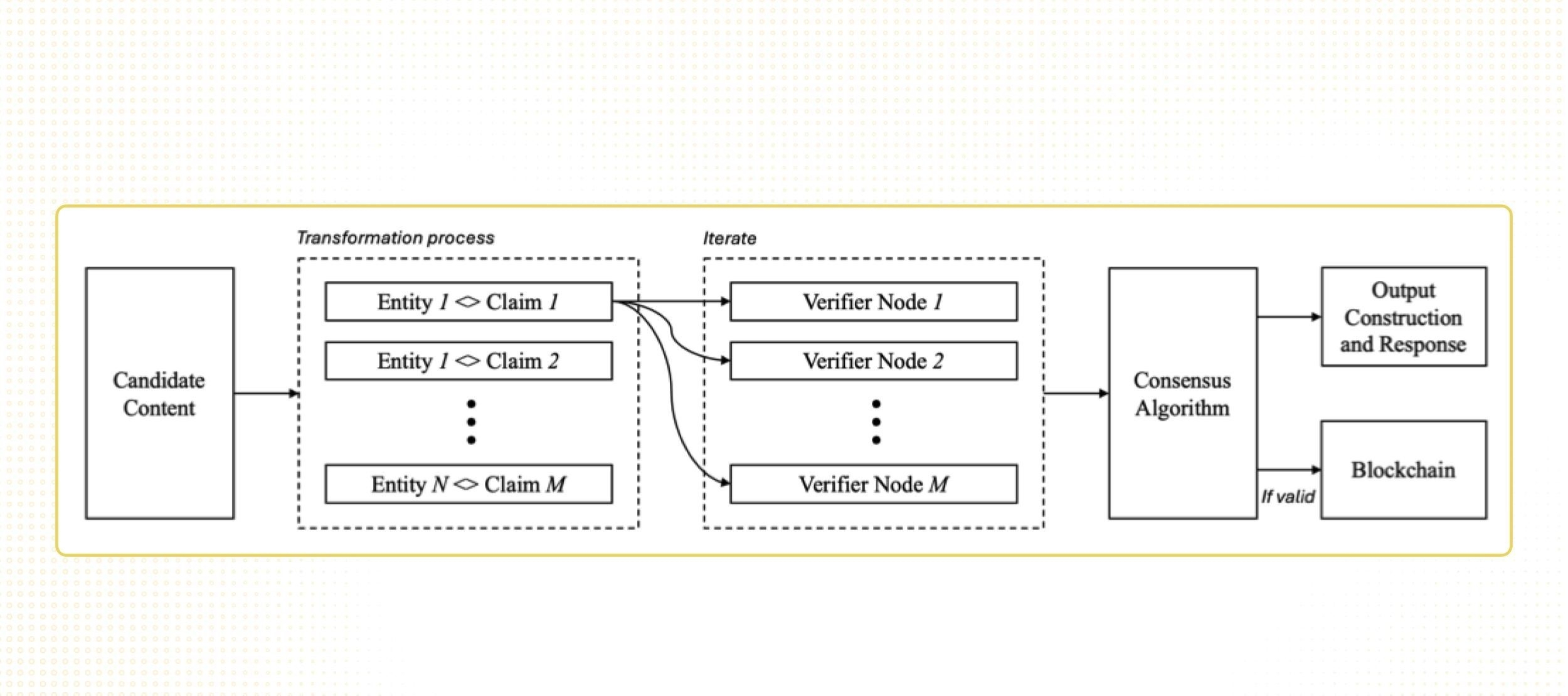
Validators or participants in the verification layer are expected to stake Mira o gain the right to validate AI generated claims. This staking mechanism is not passive yield farming. It functions as economic collateral.
If verification is accurate, participants earn rewards. If validation is dishonest or negligent, economic penalties apply. That transforms to a risk bearing asset tied directly to network integrity.
From a structural standpoint, this is stronger than inflation driven reward models because value capture is linked to protocol security demand rather than speculative liquidity cycles.
Revenue Flow: Who Pays and Why It Matters
For any protocol to be sustainable, it must answer a simple question: who is paying for the service?
In Mira’s case, the potential revenue layer comes from applications that require verified AI outputs. DeFi protocols, AI agents, DAOs or enterprise integrations that rely on validated claims may pay verification fees. These fees can be distributed to network participants and partially captured by the protocol.
This creates a service economy model.
Instead of printing tokens to maintain activity, the network monetizes verification as infrastructure. As AI adoption increases, demand for trust minimized validation could scale proportionally. If designed correctly, this means network revenue grows with ecosystem usage, not just market speculation.
That alignment is critical in 2026, where investors increasingly look beyond emissions and into sustainable fee generation.
Supply Dynamics and Long Term Pressure
The long term strength of Mira ends heavily on supply mechanics.
If a significant portion of tokens must be staked to participate in validation, circulating supply naturally compresses as network activity expands. Combined with real usage fees, this creates a dual pressure mechanism:
Staking locks reduce liquid supply.
Protocol demand increases token utility.
This is fundamentally different from tokens that rely purely on governance votes without operational necessity.
In my view, the more Mira integrates into high value AI workflows, the stronger the demand side becomes. Token value then reflects verification demand rather than speculative narrative momentum alone.
Competitive Differentiation in the AI Token Sector
What makes this model relatively unique is the positioning.
Many AI tokens are tied to model training, data marketplaces or inference layers. Mira instead focuses on post generation validation. That shifts its economic exposure from model competition to reliability infrastructure.
Infrastructure layers historically capture durable value because they sit between producers and users. If Mira successfully embeds itself as a required checkpoint before AI outputs interact with capital, it gains structural relevance regardless of which AI model dominates.
This reduces dependency on any single AI trend.
Personal Perspective on Risk and Upside
From an analytical standpoint, the biggest risk lies in adoption velocity. Verification demand must materialize for the token economy to function optimally. Without real integration, even well designed tokenomics remain theoretical.
However, if AI driven DeFi and automated governance systems continue expanding, the need for decentralized verification becomes less optional and more mandatory.
That is where I see asymmetric potential.
Instead of betting on which AI model becomes smartest, Mira’s thesis is about monetizing trust itself. In a capital intensive ecosystem, trust is not abstract. It is measurable, incentivized and enforceable.
If the network succeeds in aligning staking, fee generation and validator incentives correctly, MIRA mes more than a governance token. It becomes the economic engine powering a verification layer for the AI economy.
And in a market increasingly sensitive to sustainable revenue design, that angle deserves serious attention.