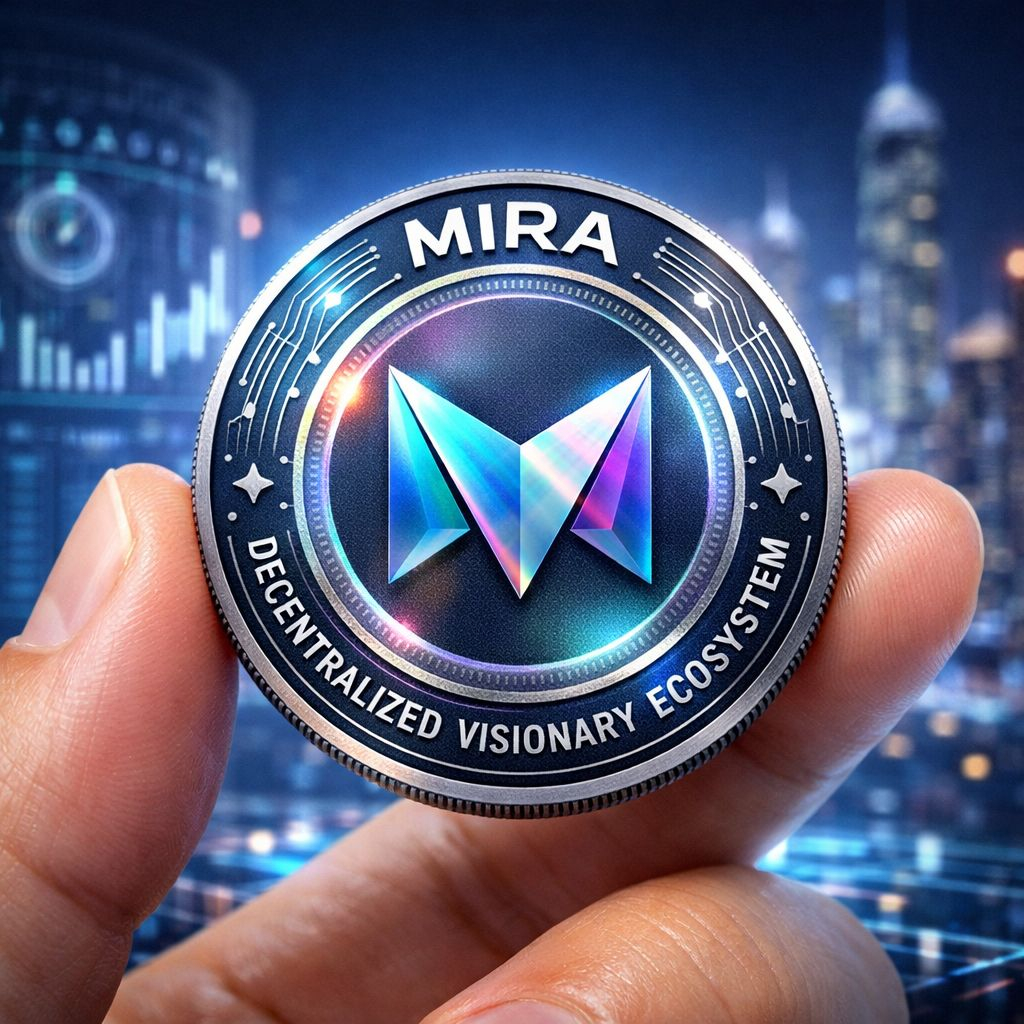
$MIRA token is an emerging digital asset designed to support decentralized applications, AI-powered services, and Web3 ecosystems. Like many modern blockchain projects, the value and long-term sustainability of $MIRA token depend heavily on its total supply, circulating supply, and market demand. Understanding these factors helps investors and users evaluate the potential growth and stability of the token.
Total Supply of Mira Token:
The total supply of $MIRA token represents the maximum number of tokens that can ever exist within the network. Most blockchain projects set a fixed or limited supply to prevent inflation and maintain scarcity. Mira Token follows a similar model by establishing a predefined supply cap, ensuring that the number of tokens in existence cannot grow uncontrollably.
A controlled supply system benefits the ecosystem in several ways. First, it helps create digital scarcity, which can increase the token’s perceived value over time. Second, it ensures fair distribution among investors, developers, and community members. Typically, tokens are allocated across several categories such as:
Community rewards and incentives
Development and ecosystem growth
Team and advisors
Liquidity and exchange listings
Strategic partnerships
By distributing the supply across these sectors, Mira Token aims to support long-term network expansion while keeping the market balanced.
Circulating Supply and Market Availability
While total supply refers to the maximum tokens created, circulating supply represents the tokens currently available in the market for trading. Circulating supply is important because it directly affects price movement. If only a portion of the total tokens are released into the market, scarcity can drive stronger demand.
Many projects gradually release tokens through vesting schedules, staking rewards, or ecosystem incentives. This method prevents sudden oversupply and protects the market from extreme price fluctuations. For Mira Token, gradual release helps maintain stability while encouraging participation in the network.
Demand for Mira Token:
Demand is the second major factor that determines the token’s value. Demand for Mira Token comes from several sources within the Web3 ecosystem:
Utility within the platform – If Mira Token is required to pay for services, AI tools, or network transactions, users must buy and hold the token.
Staking and governance – Token holders may stake Mira to secure the network or participate in voting decisions about the project’s future.
Trading activity – As the token becomes listed on more cryptocurrency exchanges, traders may buy Mira Token for speculation and portfolio diversification.
Ecosystem adoption – The more decentralized applications that integrate Mira Token, the stronger the demand becomes.
Supply and Demand Balance
In cryptocurrency markets, price is largely determined by the balance between supply and demand. If Mira Token maintains a limited supply while expanding its ecosystem, demand can grow faster than the available tokens. When this happens, the token price typically increases.
On the other hand, if too many tokens enter circulation without strong utility or adoption, the price may face downward pressure. That is why many blockchain projects focus heavily on real-world use cases and ecosystem partnerships to strengthen demand.
Future Outlook:
The future success of Mira Token will depend on how effectively it manages its supply model and builds strong market demand. If the project continues to expand its Web3 infrastructure, attract developers, and provide real utility for users, the demand for Mira Token could grow significantly.