


 I keep noticing that when AI systems make mistakes the usual response is to improve the model itself train it longer Add more data adjust the alignment The assumption is that reliability will eventually emerge if the model becomes capable enough.
But reliability doesn’t always live inside the model.
AI systems are probabilistic by design even strong models can produce confident answers that are incomplete biased or simply wrong in many cases the real issue isn’t intelligence it’s how the system decides whether an answer should be trusted.
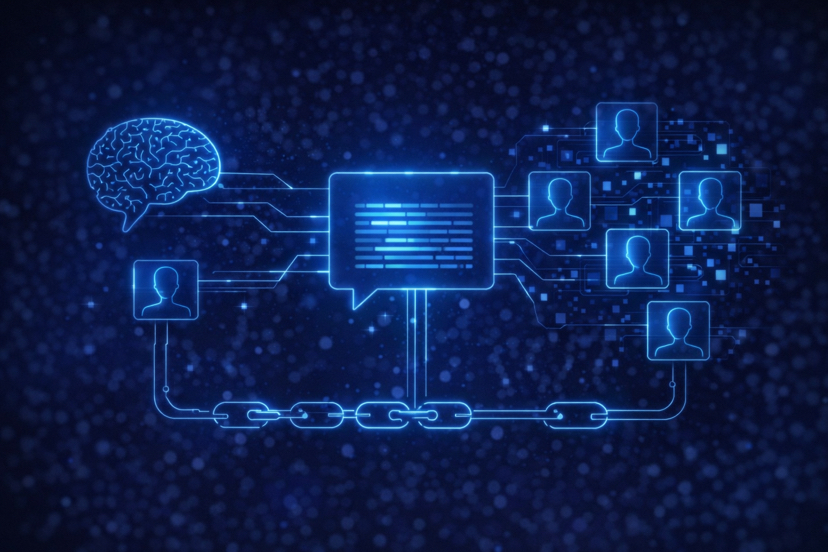
That’s where @Mira - Trust Layer of AI approaches the problem differently instead of trying to create a perfect model mira treats reliability as a systems problem when an AI response appears the output can be broken into smaller claims and examined by multiple independent models.
Each model evaluates the same claim separately.
Agreement between those evaluations becomes the signal of reliability.
This approach shifts trust away from a single model’s confidence score reliability begins to emerge from the interaction between several systems looking at the same information instead of asking one model to always be correct the system allows models to check each other.
But infrastructure always introduces tradeoffs coordinating multiple verifiers increases complexity it adds computational cost and requires a way to resolve disagreement when models reach different conclusions.
Those tensions are part of the design challenge.
Many real world systems solve reliability this way scientific peer review distributed computing, and financial auditing all rely on independent evaluations before conclusions are accepted.
Mira applies a similar idea to AI outputs.
If the approach works reliability won’t come from building the perfect model it will come from designing a system where models can review each other’s work turning verification into a layer that sits beneath the models themselves.