
I keep thinking one of the most underrated parts of Midnight Network is not the headline privacy story. It is the economic design sitting underneath it. Most people look at Midnight and immediately focus on zero-knowledge proofs, selective disclosure, and the NIGHT token. That is understandable. Those are the obvious talking points. But the more I study the project, the more I feel the more interesting question is this: what happens when a blockchain stops using the same asset for both value and day-to-day usage? That is where Midnight starts to feel different to me.
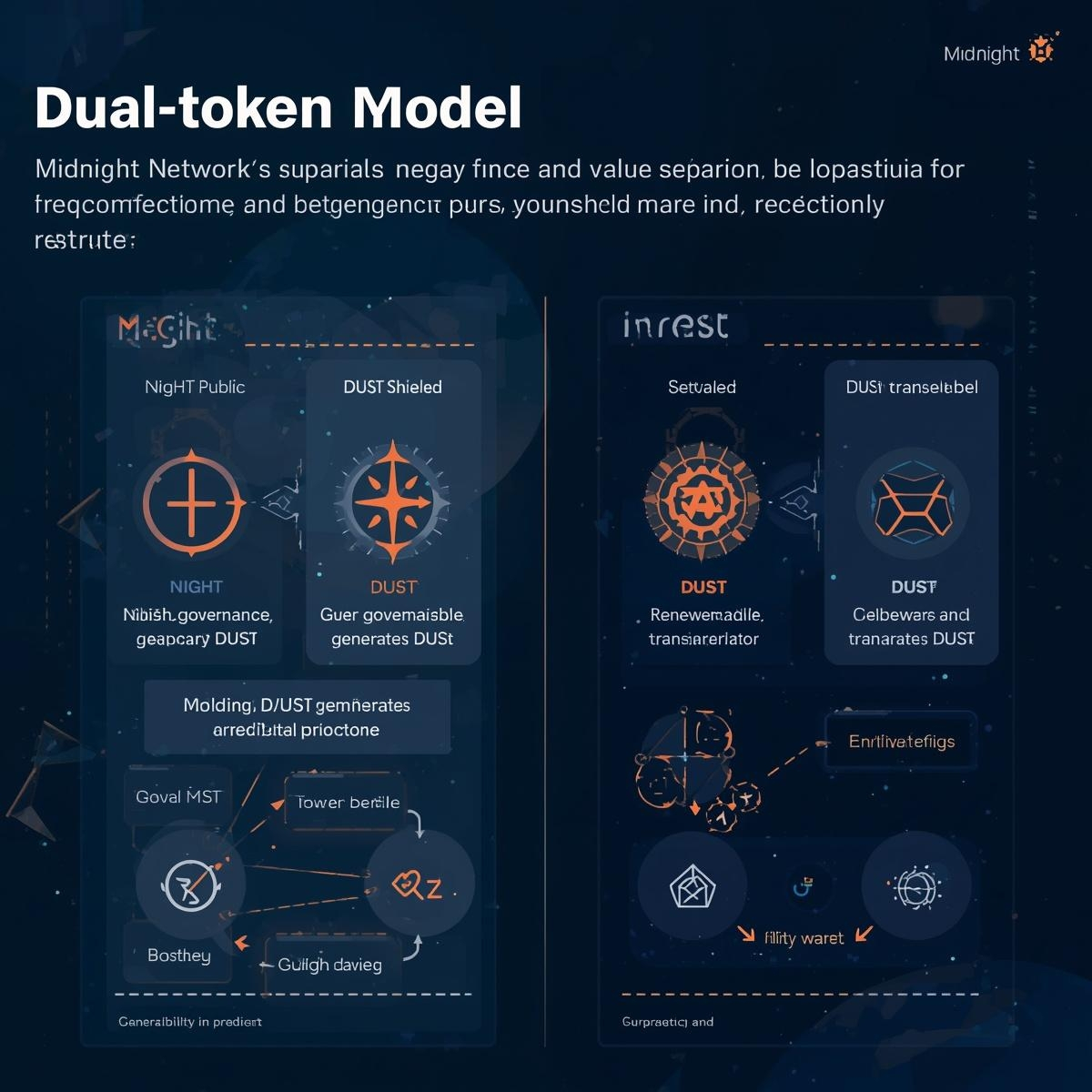
Midnight’s model separates the two. NIGHT is the public native token, while DUST is the shielded resource used for transactions and smart contract execution. Holding NIGHT generates DUST over time, which means the thing you hold for governance and network participation is not the same thing you constantly spend to use the chain. Midnight describes this as a dual-component model, and on paper it solves a problem that most blockchains still treat as normal: using the same token for everything.
That difference matters more than it first appears. On most chains, every time you use the network, you are directly spending the same asset that also carries price volatility, governance weight, and treasury significance. Midnight is trying to separate operational cost from capital exposure. Its own materials frame DUST as a renewable, decaying, non-transferable resource that behaves more like network capacity than money. I think that is one of the smartest parts of the design, because it shifts the conversation from speculation toward usability. If developers can predict usage costs more clearly, and if applications can sponsor fees by holding NIGHT and generating DUST, then blockchain starts feeling less like a toll road and more like infrastructure.
This is also where Midnight feels different from a lot of other blockchain projects to me. Many networks talk about better user experience, but their economic model still makes every interaction feel like payment friction. Midnight’s approach is trying to reduce that friction at the structural level. The project explicitly says developers can hold NIGHT to generate enough DUST to cover user transactions, which opens the door to self-funding applications and smoother onboarding. That is not a small detail. It is the kind of thing that could matter a lot more than branding if the network actually reaches meaningful adoption.
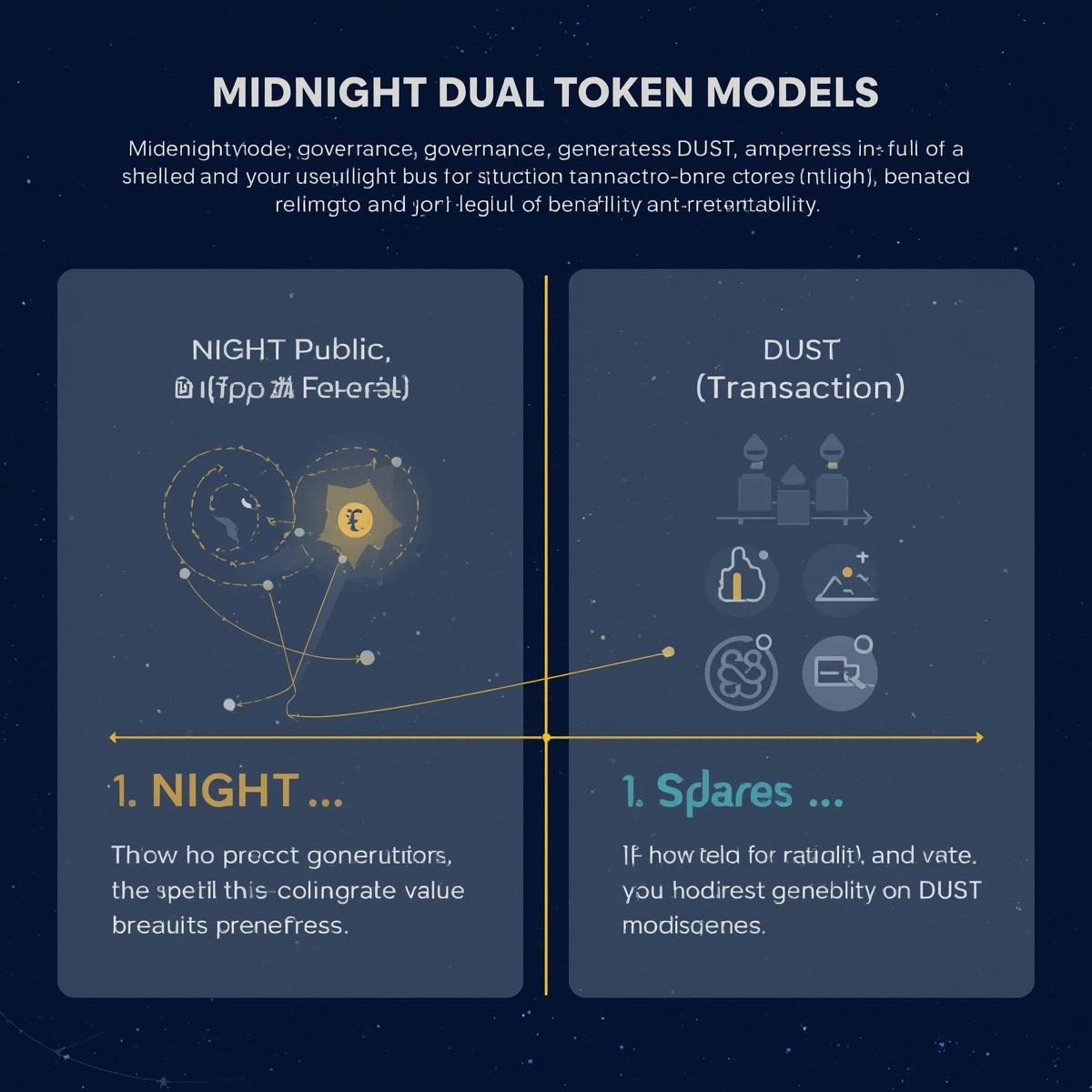
But this is also where I think the weakness sits. A cleaner model on paper does not guarantee a cleaner experience in practice. Midnight’s design introduces a second layer that users and developers have to understand. That can be powerful, but it can also create complexity. If people do not intuitively understand the relationship between NIGHT and DUST, the model risks sounding elegant to crypto natives while feeling confusing to everyone else. And if adoption depends on developers using this structure well, then the real test is no longer just whether the economics are clever. It is whether the tooling, education, and product design are strong enough to make the system feel natural.
That is why I keep coming back to this part of Midnight. To me, the NIGHT-DUST model says more about the project’s ambition than the usual privacy pitch does. It suggests Midnight is not only trying to make blockchain more private. It is trying to make blockchain feel more usable, more predictable, and more product-ready. The real question now is whether that difference will stay theoretical, or whether builders will actually turn it into applications people want to use.