
Ah!🦜
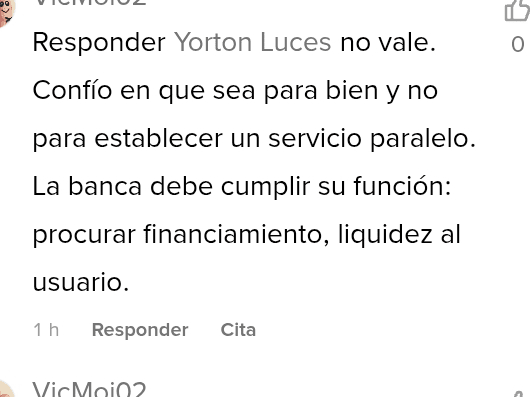
Hahaha 😏 He trusts... but the truth is that creating a stablecoin "for the country" is not magic: everything has to be backed by **real resources** 💸, because if not, it's just smoke. That's what happened with the Petro: supposedly backed by oil 🛢️, but in practice, it was financed with state assets, becoming a **trap for ordinary people** 😤. The same would happen with any national blockchain if there is no **transparency, auditing, and real capitalization**: what some celebrate as innovation can simply be a vehicle for legalized fraud and concentration of power ⚠️💰.
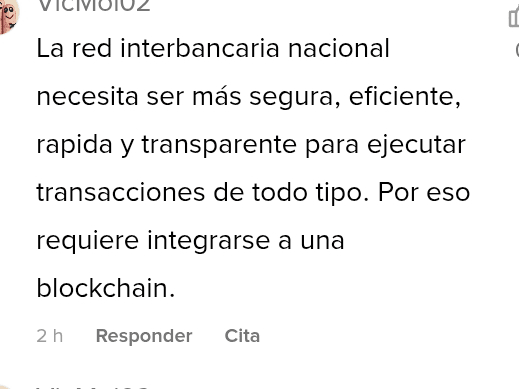
❤️From what I think, and this is not clickbait: it's the metaphor of a regime that, in the face of fiscal collapse and sanctions, turns financial innovation into a tool for the survival of power… and worse yet, into a vehicle of opacity, clientelism, and corruption. 💸💣 Cryptocurrencies have ceased to be a tool of autonomy for many Venezuelans and have transformed into a tool of the State to evade controls, cover holes, and in not a few occasions, cover up thefts. 😤
The political economy of my country in front of the State captures the technology of all #caracasvenezuela that is dying in exchange rates and deficits, turning any convertible resource into a strategic treasure. 💹🧩 This explains why the regime dresses “modernity” in operations that, in practice, are opaque mechanisms to move resources out of public scrutiny. 🕳️💼
The episode of Petro and the successive trials and errors left a lesson: without transparency and accountability, technocratic “solutions” can be traps for citizens. ⚙️💔 While systemic risk and economic sovereignty allow cryptocurrencies to function as a black box in the hands of a sanctioned State… and that is not neutral: it implies greater concentration of power, incentives for looting, and erosion of trust in institutions. ⚠️🔥
What some celebrate as “financial ingenuity” is, under scrutiny, an externalization of risk onto the population and a privatization of the loot towards the elite. 🤑💰 And not to mention 🦜 the foreign policy and the geopolitical consequences of the government: crypto instrumentalization facilitates shortcuts that complicate relationships with partners and raise diplomatic costs. 🌍💣 Harder sanctions, financial isolation, and greater vulnerability to international maneuvers targeting regimes that evade cross-border controls. 🚫💼 It's not theory: we've already seen it in recent practices.
My stance as a 🇻🇪 citizen: I reject the normalization of any financial vehicle that serves to legitimize the plunder. ❌💔 I want a framework that protects the common Venezuelan: transparency, public auditing, restitution of stolen assets, and an economic model that returns sovereignty and opportunities, not one that concentrates them in the ruling clique. 💪✨
If you care about Venezuela and want rigorous analysis —without demagoguery or cheap sentimentalism— follow me. 📢 Here we don't sell stories: we propose solutions, point out culprits, and demand accountability. 🔍🧠🇻🇪
#venezuela #P2PVenezuela #STATSVOIP #Venezuelacripto $BTC



🔥 Give me a grrr 😄 I mean a like 🤝💥 and share if you want this debate to reach more Venezuelans.
Follow me for more crypto-economic analysis 🌐💡 (and so we can together reclaim the narrative of the future of our 🇻🇪Venezuela❤️). 👇✨