

Most crypto tokens talk about utility. Fewer are designed to earn it. Walrus takes a refreshingly practical approach with WAL, treating the token as a working part of the storage system rather than a speculative add-on.
WAL exists to keep data safe, nodes honest, and the network running smoothly as demand grows.
WAL Means Skin in the Game
To run a storage node on Walrus, operators stake WAL. This is more than a ticket to participate—it’s a commitment. If a node underperforms, misses shard recoveries, or fails data challenges, WAL is what gets penalized.
The design is simple: the more data a node stores, the more responsibility it carries, and the more WAL it puts at risk. Reliable operators are rewarded for consistency, while sloppy behavior becomes expensive.
Governance That Stays Grounded
WAL also gives nodes a voice, but governance stays focused on economics, not politics. Token holders don’t vote on every protocol tweak. Instead, they adjust key parameters like penalties for failed shard transfers or missed challenges.
Votes are weighted by stake, including delegated WAL, so the people paying the real costs are the ones shaping the rules. It’s governance that feels more like system tuning than endless debate.
Delegation Without Running Infrastructure
Not everyone wants to run a storage node. WAL delegation makes that okay. Token holders can delegate WAL to reliable operators, supporting the network while sharing in its growth.
This creates healthy competition. Nodes want more delegated WAL, so uptime, performance, and trust actually matter. Over time, strong operators rise naturally, without centralized gatekeeping.
WAL’s Role in the Blob Economy
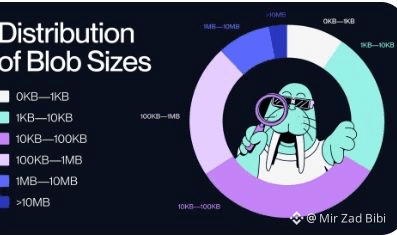
Walrus is built for durable blob storage, not forcing every read through a paywall. WAL reflects that philosophy. It secures the storage layer and enforces accountability, while leaving room for read services to develop on top.
Fast read endpoints, caching layers, and CDNs can exist as optional services. The base layer stays simple, and markets handle performance where it’s needed.
A Thoughtful Token Release
WAL’s release isn’t designed for quick hype cycles. Distribution focuses on nodes, contributors, and ecosystem growth—people who actively strengthen the network.
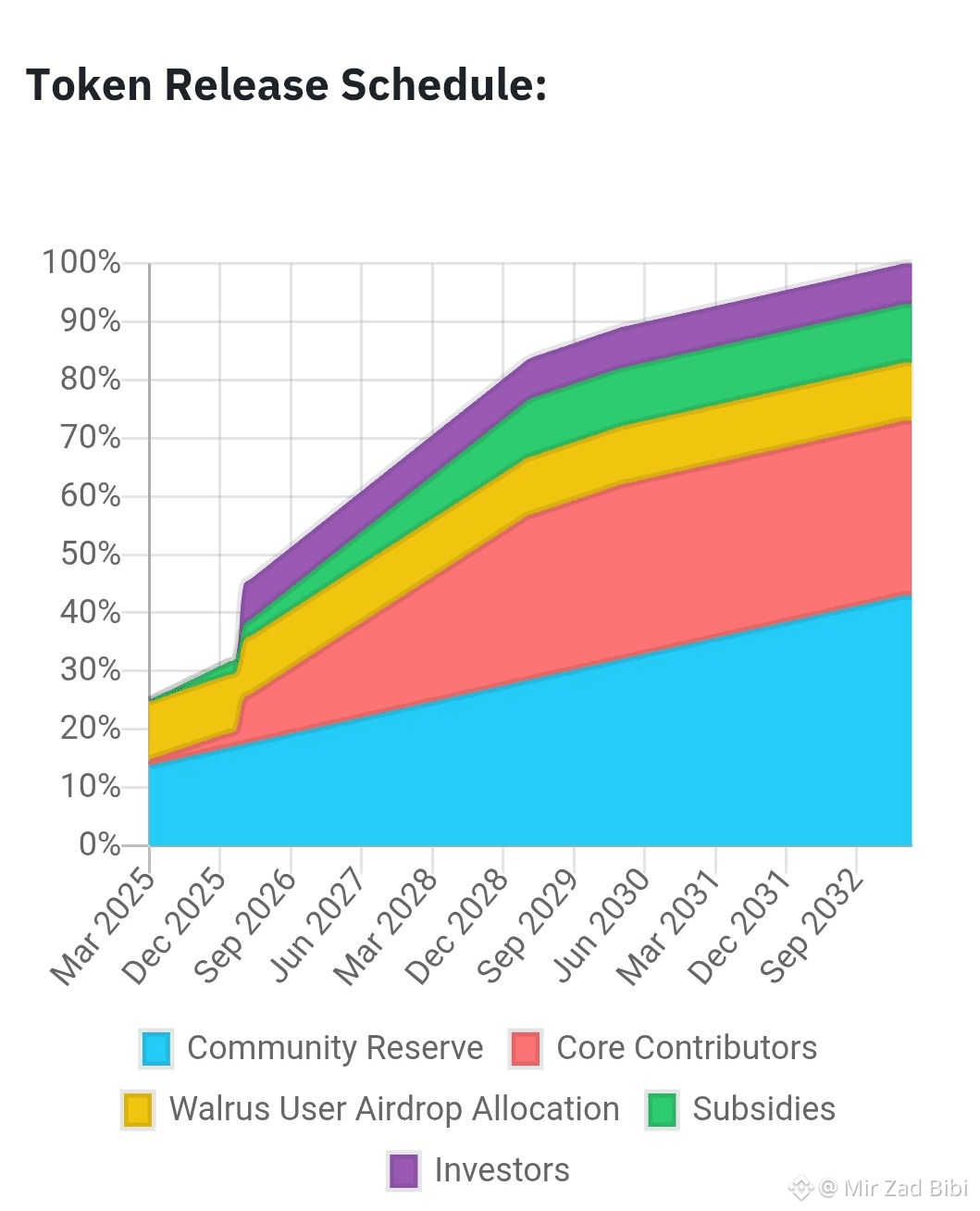
Gradual release schedules help avoid sudden supply shocks and give operators predictable economics. That stability matters when building infrastructure meant to last.
Why WAL Feels Different
WAL doesn’t promise the world. It does a few things well: secure storage, enforce responsibility, and align incentives.
As blobs become essential for rollups, media, AI data, and onchain apps, Walrus positions WAL as quiet infrastructure—valuable because it’s used, not because it’s loud.
That’s often how the most durable systems are built.

