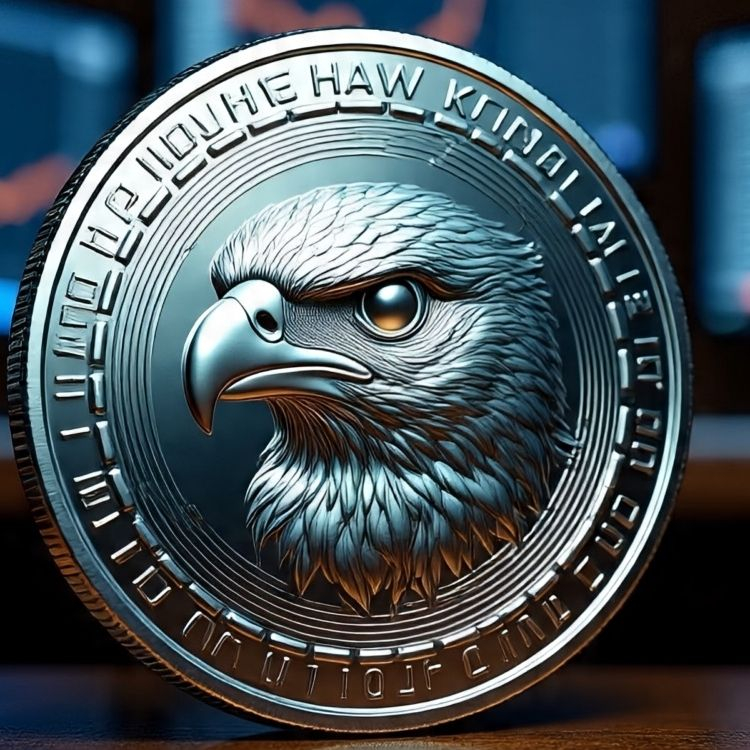
Community is a key strength of Walrus Coin. The project believes that informed and patient supporters create real stability. Instead of chasing fast results, Walrus Coin focuses on shared understanding and realistic progress. Open discussions help everyone stay aligned with the vision. This approach creates a healthier environment where people feel included and respected. Walrus Coin values consistency over excitement and discipline over pressure. With each day, trust grows stronger. This steady rhythm allows the project to move forward calmly, even when the market feels uncertain or unpredictable.
Walrus Coin kontynuuje swoją podróż z cierpliwością i jasnym kierunkiem. Na rynku, który często nagradza hałas, ten projekt wybiera skupienie i dyscyplinę. Celem nie jest przyspieszanie postępu, ale budowanie go starannie. Zwolennicy są zachęcani do pozostawania na bieżąco, spokojnymi i połączeni z długoterminową wizją. Walrus Coin wierzy, że silne fundamenty są tworzone poprzez konsekwencję i uczciwy wysiłek. Każdy krok naprzód ma znaczenie, nawet jeśli wydaje się mały. Z biegiem czasu, to stabilne podejście buduje zaufanie i pewność siebie, pozwalając społeczności rosnąć razem z wspólnym zrozumieniem i realistycznymi oczekiwaniami.
Walrus Coin represents a thoughtful approach to growth. Instead of reacting to short-term market movements, the project stays aligned with its values. This mindset helps reduce unnecessary pressure and keeps the community focused. Walrus Coin encourages learning, discussion, and patience. By maintaining open communication, supporters always know where the project stands. This transparency builds trust and long-term confidence. Growth is treated as a process, not a race. As the journey continues, Walrus Coin proves that steady effort and clear intentions can create lasting value in an unpredictable environment.
Consistency in Web3 learning matters more than intensity or occasional deep dives because blockchain technology is complex enough that understanding requires sustained engagement letting concepts sink in, questions emerge, connections form, and knowledge compound over time rather than just cramming facts during sporadic study sessions that don't create lasting comprehension or frameworks for evaluating new information as the space evolves. These two weeks of daily research and writing about Dusk forced consistency that I wouldn't have maintained if I just casually followed the project through social media or occasional article reading, and this structured approach created accountability to actually learn rather than just passively consuming content without thinking critically about what it means or whether claims are supported by evidence versus just marketing narratives. The daily writing requirement meant I couldn't just read about topics without understanding them well enough to explain in my own words, because trying to write coherently about concepts you don't actually comprehend reveals gaps in understanding that passive reading lets you ignore through nodding along with explanations that sound reasonable without really grasping the underlying logic or implications. Consistency also enabled tracking how my understanding evolved over time where early posts reflect surface comprehension while later analysis shows deeper insight from accumulated knowledge and refined thinking about how different aspects connect and what actually matters versus what just sounds impressive but doesn't determine success or failure. The habit formation from daily engagement creates momentum where learning becomes automatic rather than requiring constant willpower to start each session, and this reduces friction that prevents most people from sustaining long-term learning about complex topics that require significant effort before payoff becomes obvious. Spaced repetition effects from revisiting concepts across multiple days in different contexts helps knowledge stick better than single intensive study sessions that might create temporary familiarity but don't build lasting understanding that remains accessible months later when you need to apply it. The cumulative knowledge building means each new day's learning connects to previous days creating networks of understanding rather than isolated facts that don't relate to anything else you know, and these networks make the overall field more comprehensible than trying to understand everything at once through intensive cramming that overwhelms without creating structure. Community engagement and accountability from sharing daily learning creates social pressure and commitment mechanisms that help maintain consistency when motivation wavers during difficult sections or periods when progress feels slow and understanding doesn't click immediately. The consistent schedule also reveals patterns and insights that emerge only from extended observation where daily market watching shows trends invisible in single snapshots, community dynamics become clear through sustained participation rather than occasional visits, and project development progress can be tracked rather than just seeing endpoints without understanding the journey. Mental models develop through consistent engagement that lets you recognize patterns, make connections, and develop intuitions about what works and what doesn't in blockchain projects beyond just memorizing facts about specific implementations. After two weeks experiencing the benefits of consistent Web3 learning versus my previous sporadic approach, I'm convinced that structured daily engagement beats occasional intensity for actually understanding complex evolving fields where knowledge compounds over time and consistency creates advantages that cramming cannot replicate.
How my perspective changed over these two weeks studying Dusk reveals more about my own assumptions and biases about blockchain than just learning facts about a specific project, because the research process forced me to question beliefs I held without really examining them critically or understanding where they came from beyond just absorbing common narratives in crypto communities that often prioritize ideology over practical reality. I started believing that blockchain's main value was decentralization and censorship resistance where the ability to operate outside government control and traditional financial systems was the entire point, but I now understand that for most legitimate users and certainly for institutions, working within legal frameworks while getting efficiency improvements from better technology is far more valuable than ideological purity about decentralization that makes systems unusable for real applications. My view of privacy evolved from thinking it was primarily about protecting criminal activity or tax evasion to recognizing that normal businesses and individuals have always had financial privacy through banking secrecy and confidentiality agreements, and blockchain's transparency actually represents a step backward from privacy expectations we've had for decades in traditional finance. The perspective on compliance shifted from seeing regulations as obstacles that blockchain should circumvent to understanding that compliance enables institutional adoption by removing legal barriers that keep serious money away from crypto regardless of technological superiority, and platforms building compliance from the foundation have massive advantages over those trying to retrofit it later under enforcement pressure. My understanding of what makes communities valuable changed from thinking bigger is always better to appreciating that quality focused communities of actual builders create more value than massive follower counts of speculators who contribute nothing except noise and volatility. The timeline expectations adjusted from hoping for quick adoption and immediate results to accepting that institutional transformation takes years of patient relationship building, pilot programs, regulatory clarity, and trust development that cannot be rushed through marketing or hype no matter how innovative the technology might be. Technical understanding matured from surface-level awareness of buzzwords like zero-knowledge proofs to actually comprehending how they work conceptually and why they enable previously impossible combinations of privacy and verifiability that solve real problems rather than just sounding impressive in marketing materials. Risk assessment became more nuanced where I moved from binary thinking about projects either succeeding completely or failing totally to recognizing that partial success, pivots, longer timelines, and messy reality are more likely than extreme outcomes in either direction. The evaluation framework shifted from obsessing over price predictions and token metrics to focusing on whether projects solve real problems with complete solutions that meet actual user requirements rather than just building cool technology that doesn't address the full set of needs that real adoption demands. My confidence in forming independent judgments improved because doing this research and writing daily forced me to think critically rather than just accepting what influencers say or following community consensus without understanding the reasoning behind positions people take. The biggest perspective change was recognizing that blockchain's transformation of finance happens through evolution and integration with existing systems rather than revolution that replaces everything overnight, and projects positioned as better infrastructure that traditional finance can adopt gradually will likely succeed more than those trying to overthrow incumbents through confrontation that ignores how institutional change actually happens in complex regulated industries with enormous inertia. Understanding Dusk specifically taught me that niche focus on solving specific problems for specific users can be strategically superior to trying to be everything for everyone and competing on all dimensions simultaneously, and this focused approach might sacrifice some potential markets but increases probability of actually succeeding at the chosen target rather than failing at everything through lack of focus. After two weeks of perspective evolution, I'm more realistic about timelines and challenges while also more optimistic about blockchain's ultimate potential if projects like Dusk can execute on visions that seemed impossible before privacy-preserving technology made them viable.
Two weeks down but still learning daily because blockchain and institutional finance are deep topics where surface understanding doesn't capture the complexity, nuance, and tradeoffs that determine whether projects succeed or fail at their stated missions. Each day reveals new aspects I hadn't considered, questions I didn't know to ask, or connections between concepts that weren't obvious initially. The learning never stops because the technology evolves, regulations change, institutional needs develop, and understanding deepens through continued engagement rather than reaching some endpoint where everything is known and nothing remains to discover about how privacy-preserving blockchain could transform finance.
Consistency in learning and research matters more than occasional bursts of intense study because deep understanding comes from daily engagement that lets concepts sink in, questions emerge, and connections form between different aspects of complex systems like blockchain privacy and institutional finance. These two weeks of daily writing forced me to think critically about Dusk rather than just passively consuming information, because explaining concepts to others requires understanding them well enough to articulate clearly in my own words rather than just repeating marketing claims or technical jargon without genuine comprehension. The discipline of consistent engagement builds knowledge foundations that random sporadic research never achieves.
Two weeks with Dusk Coin has fundamentally transformed my understanding from initially thinking this was just another privacy cryptocurrency competing with Monero or Zcash for the anonymity market to recognizing it as institutional infrastructure being built specifically to enable traditional finance adoption of blockchain technology through solving the privacy and compliance problems that currently prevent banks, corporations, and other regulated entities from using transparent public chains for serious operations. The journey started with surface-level knowledge about blockchain privacy and evolved into deep appreciation for the complex tradeoffs between privacy and compliance, decentralization and performance, innovation and stability, and all the other competing objectives that must be balanced simultaneously rather than just optimizing for any single dimension at the expense of others that matter equally for real-world adoption. My perspective shifted from focusing on metrics like transaction speed and fees that get emphasized in crypto marketing to understanding that for institutional adoption, privacy protections, compliance capabilities, security standards, and regulatory acceptance matter far more than being slightly faster or cheaper than competitors who also can't meet the complete set of requirements that serious finance demands before trusting new technology with billions or trillions in assets. The learning wasn't just about Dusk specifically but about how blockchain needs to evolve from retail speculation to institutional infrastructure, from prioritizing decentralization ideology to recognizing that working within legal frameworks enables rather than restricts real adoption, and from treating privacy and compliance as opposing forces to understanding they're complementary features that must coexist through cryptographic innovation like zero-knowledge proofs. What surprised me most over these two weeks was discovering how different institutional needs are from retail cryptocurrency users where banks don't want anonymity but privacy with audit capabilities, corporations need confidentiality from competitors while maintaining transparency for regulators, and serious organizations prioritize long-term sustainability over short-term hype that generates excitement but no lasting value. The community aspect revealed that quality matters more than quantity where small focused communities of builders and believers create stronger foundations than massive communities of speculators who contribute nothing except volatility and disappear when prices drop, and Dusk's intentional cultivation of substance over hype might limit short-term growth metrics but could create better long-term positioning if those quality participants actually build the applications and partnerships that drive real adoption. Technical understanding grew from vague awareness that zero-knowledge proofs enable privacy to comprehending how they specifically solve the verification-without-disclosure problem through mathematical proofs that weren't possible before recent cryptographic advances, and this technical capability is what makes privacy-with-compliance viable rather than just theoretical. The tokenomics and staking research showed that DUSK has legitimate utility tied to network functionality rather than just being a speculative asset, though whether that utility creates sustainable value depends entirely on whether institutional adoption materializes over the next few years as the project's vision requires. My confidence in evaluating blockchain projects improved through learning to look beyond marketing claims and hype cycles to assess whether projects solve real problems for real users with complete solutions rather than just partial answers that ignore crucial requirements, and this framework applies beyond just Dusk to evaluating any blockchain project's actual potential versus just storytelling that sounds innovative without delivering substance. The biggest realization after two weeks is that institutional adoption of blockchain is genuinely possible and could transform finance if the right infrastructure exists that meets enterprise requirements, but that transformation takes years of patient building rather than happening through viral moments or sudden recognition, and projects positioned for that slow institutional adoption like Dusk require different evaluation criteria than retail-focused platforms optimized for completely different use cases and success metrics. Looking forward to the next two weeks, I want to dive deeper into specific technical implementations, real partnership developments beyond just announcements, competitive positioning against both other privacy blockchains and traditional finance incumbents who might resist disruption, and honest assessment of risks and potential failure modes rather than just optimistic scenarios where everything goes according to plan and institutional adoption happens exactly as hoped without setbacks or competitors winning the market.
Moje kluczowe wnioski po dwóch tygodniach studiowania Dusk obejmują zrozumienie, że adopcja instytucjonalna jest jedyną drogą do osiągnięcia transformacyjnego potencjału blockchaina, że prywatność i zgodność muszą współistnieć, a nie być traktowane jako przeciwstawne siły, że jakość społeczności ma większe znaczenie niż jej rozmiar przy budowaniu zrównoważonych ekosystemów, oraz że cierpliwe myślenie długoterminowe przewyższa krótkoterminowe cykle hype'u w projektach rozwiązujących rzeczywiste problemy. Najważniejsze spostrzeżenie to, że blockchain nie zastąpi tradycyjnej finansów poprzez konfrontację, ale poprzez dostarczanie lepszej infrastruktury, która działa w ramach ram prawnych, jednocześnie przynosząc rzeczywiste ulepszenia w zakresie efektywności, kosztów i dostępności.
Seven days ago, I started exploring @undefined with curiosity and healthy skepticism. After a week of research, testing, and community engagement, here's what I've learned about $XPL and why my initial interest has grown into genuine conviction. The technology impressed me first. The #plasma network combines privacy, scalability, and security in ways most blockchains cannot match. Zero-knowledge proofs provide mathematical privacy guarantees while layer-2 architecture delivers thousands of transactions per second. This isn't vaporware - it's working technology I've tested personally. Real-world applications convinced me this project has substance. From confidential business transactions to private DeFi, @undefined enables use cases that public blockchains simply cannot serve. The XPL ecosystem addresses actual market needs rather than creating solutions searching for problems. Community quality exceeded expectations. Instead of moon boys and price speculation, #plasma discussions focus on technology, development progress, and ecosystem growth. Experienced members help newcomers generously. This mature community indicates long-term thinking rather than pump-and-dump mentality. Transparency from the @undefined team builds trust continuously. Regular updates, honest communication about challenges, and clear roadmap execution demonstrate professional project management. In crypto where many teams overpromise and underdeliver, this straightforward approach is refreshing. Security measures provide confidence for holding XPL long-term. Multiple audits, bug bounties, and proven cryptography protect user assets. The #plasma approach to security balances innovation with caution - advancing technology while maintaining robust protection. Developer ecosystem shows promising growth. Quality documentation, helpful community, and powerful tools attract talented developers to @plasma. More developers mean more applications, which drives adoption and network effects that benefit all $XPL holders. The scalability solution works as advertised. Fast transactions, low fees, and reliable performance make #plasma practical for everyday use. Testing the network myself confirmed the performance claims - this isn't marketing hype, it's measured reality. Privacy features deliver genuine confidentiality. Transaction details remain private while maintaining blockchain verification. This balance between privacy and transparency makes @undefined suitable for both individual users and enterprise adoption. What surprised me most was discovering how much the XPL ecosystem has already accomplished. This isn't an early-stage project promising future delivery - it's operational infrastructure serving real users today. Looking ahead to week two, I'm excited to explore deeper aspects of #plasma technology, engage more with the community, and watch the ecosystem develop. The foundation is solid, the execution is strong, and the potential is significant. Week one taught me that @undefined represents serious blockchain innovation backed by competent execution. The XPL token isn't just speculative - it's utility driving a privacy-focused ecosystem that addresses real needs. My conviction grows with understanding. The more I learn about #plasma, the more impressed I become. That's the opposite of most crypto projects where deeper research reveals problems. Here, research reveals strength.
Education builds confidence in investment and participation decisions because understanding what you're involved with reduces fear, uncertainty, and doubt that come from ignorance about how technology works, what problems it solves, and why it matters beyond just hoping number goes up without knowing why it should. After two weeks learning about Dusk's technology, institutional requirements, and the problems preventing blockchain adoption in traditional finance, I feel confident evaluating the project's potential based on fundamentals rather than just following hype or trusting influencers who might not understand what they're promoting. This knowledge-based confidence helps resist panic during price volatility and maintain conviction through difficult periods when markets turn negative.
Two weeks of consistent research has transformed my understanding from thinking Dusk was just another privacy coin to recognizing it as institutional infrastructure being built for the long-term transformation of finance. The learning curve was steep because the project solves complex problems that require understanding both blockchain technology and traditional finance requirements that most crypto projects ignore. What changed most wasn't just technical knowledge but perspective on what actually matters for blockchain adoption beyond speculation, where privacy with compliance enables real use cases that transparent or anonymous chains simply cannot address regardless of their other capabilities.
One week into my @plasma journey and I'm more convinced than ever! $XPL has solid fundamentals, active development, and a clear roadmap. The #plasma technology addresses real blockchain challenges with practical solutions. Looking forward to seeing where this project goes in the coming months. The team is transparent, the community is engaged, and the technology is impressive. Week one complete, many more to go
In a crypto environment where speed often matters more than substance, Walrus Coin chooses to stay grounded. This decision shapes every part of the project, from communication to community interaction. Instead of chasing attention, Walrus Coin focuses on building something that lasts. This grounded approach may seem quiet, but it creates stability in a space known for constant change. Walrus Coin understands that markets move in cycles. There are moments of excitement and moments of uncertainty. Rather than reacting emotionally, the project encourages its community to stay aware and patient. This mindset helps supporters make thoughtful decisions instead of rushed ones. When people feel calm and informed, they are more likely to remain confident during challenging times. Community trust is a major priority for Walrus Coin. Trust does not come from promises; it comes from consistent behavior. By sharing realistic updates and being open about progress, the project builds credibility. Supporters know where things stand and what to expect. This transparency strengthens the relationship between the project and its community, creating a sense of shared responsibility. Walrus Coin also values education and understanding. The project encourages learning and open discussion, helping people better understand both opportunities and risks. This focus on awareness creates a healthier environment where decisions are based on knowledge rather than fear or hype. Over time, this leads to a stronger and more resilient community. Consistency remains one of Walrus Coin’s strongest qualities. The project avoids sudden shifts driven by market pressure or external noise. Each decision is made with long-term impact in mind. This disciplined approach allows the project to grow steadily without losing direction. Supporters appreciate this reliability, especially in an industry where sudden changes are common. Another important aspect of Walrus Coin is its respect for individual participation. Every supporter contributes in their own way, whether through discussion, observation, or sharing ideas. The project recognizes that community strength comes from diversity of thought. By encouraging respectful engagement, Walrus Coin creates a space where people feel valued and heard. As Walrus Coin continues its journey, its grounded philosophy remains unchanged. The project is not trying to move the fastest; it is trying to move the right way. With patience, honesty, and community focus, Walrus Coin continues building a future based on trust rather than trends. In the long run, this steady approach may prove to be its greatest strength.
In a market driven by emotions, Walrus Coin promotes balance and awareness. The project reminds its community that ups and downs are part of every journey. Rather than chasing fast results, Walrus Coin focuses on building knowledge and understanding. Clear communication helps supporters stay aligned with realistic expectations. This transparency strengthens trust and keeps the community united. Walrus Coin values people who think long term and stay patient during uncertain times. With steady effort and shared belief, the project continues moving forward, proving that calm persistence is more powerful than short-term excitement.
Walrus Coin is built around the idea that strong communities create lasting projects. Every supporter contributes value by staying engaged and informed. The project encourages open discussion and learning without pressure. This environment helps people grow together and make better decisions. Walrus Coin avoids exaggerated promises and focuses on honest progress. By staying consistent, it builds confidence within the community. Growth may not always be fast, but it is meaningful. Over time, this steady approach creates stability and trust, which are essential for long-term success in the crypto space.
Walrus Coin continues to follow a steady and thoughtful path in a fast-changing crypto space. The project believes that patience allows better decisions and stronger foundations. Instead of reacting to every trend, the focus stays on learning and consistency. Community members are encouraged to stay informed and engaged without pressure. This calm approach creates confidence and reduces unnecessary stress. Walrus Coin understands that real growth takes time and effort. By moving step by step, the project builds trust and stability. This mindset helps supporters feel secure and connected to a long-term vision.
Dusk jako infrastruktura finansowa reprezentuje ostateczną wizję projektu, w której platforma staje się niezbędnym elementem instytucjonalnych finansów, a nie tylko kolejną kryptowalutą konkurującą o uwagę spekulacyjnych traderów. To pozycjonowanie infrastruktury wymaga budowy technologii, która spełnia standardy niezawodności, bezpieczeństwa, zgodności i wydajności, jakich instytucje finansowe oczekują od systemów obsługujących biliony aktywów i miliony codziennych transakcji. Infrastruktura jest niewidoczna, gdy działa poprawnie, ponieważ użytkownicy nie myślą o podstawowych systemach umożliwiających ich działania—po prostu oczekują, że wszystko będzie działać niezawodnie, bezpiecznie i efektywnie bez ciągłych problemów wymagających interwencji ręcznej lub obejść. Osiągnięcie przez Dusk statusu infrastruktury oznaczałoby, że instytucje finansowe korzystają z platformy do rozliczania papierów wartościowych, tokenizacji aktywów, płatności transgranicznych i innych krytycznych funkcji, nie wiedząc nawet i nie dbając o to, że technologia blockchain umożliwia te usługi. Model biznesowy infrastruktury różni się zasadniczo od modelu spekulacji tokenami, gdzie projekty optymalizują się pod kątem wzrostu cen i cykli hype, które przyciągają traderów liczących na szybkie zyski, ponieważ infrastruktura generuje wartość poprzez opłaty za użytkowanie i długoterminowe relacje z organizacjami, które zależą od platformy, a nie poprzez zmienność cen tokenów, która może wzbogacić wczesnych posiadaczy, ale nie tworzy zrównoważonych modeli biznesowych, które przetrwają poza początkowym entuzjazmem. Budowanie infrastruktury finansowej wymaga cierpliwego kapitału, który akceptuje lata rozwoju, zanim materializują się znaczące przychody, ponieważ instytucje poruszają się powoli przez ocenę, pilotaże i stopniowe przyjmowanie, a nie od razu zobowiązują się do ogromnych wolumenów nowej technologii, której nie przetestowano dokładnie. Ten harmonogram nie jest zgodny z typowym pragnieniem kryptowalut na natychmiastowe zyski i ciągłe emocje, które utrzymują spekulantów zaangażowanych w długi okres rozwoju, zanim rzeczywiste przyjęcie generuje użytkowanie, które uzasadnia inwestycje w infrastrukturę. Wymagania techniczne dla infrastruktury finansowej przekraczają to, co jest akceptowalne dla detalicznych kryptowalut, ponieważ instytucje nie mogą tolerować błędów, przestojów, luk w bezpieczeństwie i problemów z wydajnością, które użytkownicy detaliczni mogą zaakceptować z eksperymentalnych technologii oferujących wysokie ryzyko i wysokie nagrody. Oznacza to, że potrzebne są obszerne testy, formalna weryfikacja, profesjonalne audyty, planowanie odzyskiwania po awarii i doskonałość operacyjna, co kosztuje więcej i trwa dłużej niż szybkie działanie i łamanie rzeczy, które działa w przypadku aplikacji konsumenckich, gdzie awarie powodują jedynie niedogodności, a nie katastrofalne straty. Integracja regulacyjna jest niezbędna dla infrastruktury finansowej, ponieważ instytucje działające w silnie regulowanych branżach potrzebują platform, które działają w ramach ram prawnych, a nie próbują funkcjonować w szarych strefach lub aktywnie unikać nadzoru. Podejście Dusk oparte na zgodności pozycjonuje go jako technologię, którą regulatorzy mogą zaakceptować lub nawet zachęcać, a nie coś, co będą zakazywać lub ograniczać poprzez działania egzekucyjne, które czynią platformę zbyt ryzykowną dla udziału instytucjonalnego. Efekty sieciowe w infrastrukturze finansowej pochodzą z interoperacyjności i standaryzacji, gdzie platforma staje się bardziej wartościowa w miarę przyjmowania jej przez więcej instytucji, które mogą bezproblemowo przeprowadzać transakcje ze sobą, a wczesni gracze korzystają z kształtowania standardów i ustanawiania się jako kluczowi uczestnicy w rozwijającej się infrastrukturze, zamiast być zmuszonymi do przyjmowania standardów narzuconych przez innych po dołączeniu później. Po zbadaniu ambicji infrastrukturalnych Dusk, widzę to jako albo drogę do rzeczywistej transformacji finansów poprzez dostarczenie instytucjonalnego blockchaina zachowującego prywatność, którego tradycyjne finanse potrzebują do modernizacji, albo jako niezwykle trudną wizję, która może się nie powieść, jeśli instytucje nie przyjmą rzeczywiście blockchaina, nawet gdy platformy takie jak Dusk rozwiązują problemy związane z prywatnością i zgodnością, które obecnie uniemożliwiają przyjęcie. Tylko czas pokaże, czy zakład na infrastrukturę się opłaci, czy też blockchain pozostanie głównie klasą aktywów spekulacyjnych, która nigdy nie stanie się infrastrukturą finansową, którą entuzjaści sobie wyobrażają.
Institutions need privacy chains because the transparency that makes public blockchains trustless and verifiable for retail users creates insurmountable problems for organizations managing client funds, operating under strict regulations, and competing in markets where information asymmetry provides competitive advantages that get destroyed when every transaction becomes permanent public record that competitors analyze to exploit business intelligence. The fundamental tension is that institutions want blockchain benefits including faster settlement, lower costs, automated compliance, and global accessibility, but they cannot accept the transparency that comes with most blockchain implementations because exposing client data violates privacy regulations, revealing business operations destroys competitive positioning, and making transaction details public creates security vulnerabilities where criminals can identify wealthy targets or exploit patterns in how organizations operate. Client confidentiality isn't optional for financial institutions because banking secrecy laws, fiduciary duties, and contractual privacy obligations create legal requirements to protect customer information from unauthorized disclosure, and using transparent blockchains that make every transaction permanently visible to anyone violates these requirements regardless of what privacy policies or user agreements claim about protecting data when the underlying technology makes privacy impossible through its design. Competitive intelligence protection matters because corporations cannot reveal supplier relationships, pricing negotiations, customer acquisition costs, or other business details to rivals who would use that information to undercut prices, steal clients, or otherwise exploit knowledge they shouldn't have access to in competitive markets where information advantages determine who wins and loses. Transparent blockchains used for supply chain management, B2B payments, or procurement would expose every detail of how businesses operate including who their vendors are, what they pay for inputs, what terms they negotiate, and what margins they earn, effectively giving competitors perfect information that destroys any competitive advantages built on better operations, relationships, or negotiations. Privacy chains solve these problems through cryptographic techniques that enable verification without disclosure where transactions can be confirmed as valid, participants can be verified as authorized, and rules can be enforced correctly without anyone seeing the underlying data that should remain confidential to the parties directly involved, and this selective disclosure capability is exactly what institutions need to use blockchain without sacrificing the privacy that's both legally required and competitively necessary. The compliance capabilities that privacy chains like Dusk provide through zero-knowledge proofs let institutions prove to regulators that they're following rules without exposing client details to the entire network or even to auditors beyond what's strictly necessary for compliance verification, creating better privacy outcomes than current systems where financial institutions collect massive databases of customer information creating targets for hackers and insider threats. Institutions also need privacy chains because their participation brings significant value and transaction volumes that could drive blockchain adoption from niche speculation to mainstream infrastructure, but that participation only happens when platforms meet institutional requirements including the privacy that I've been emphasizing throughout this research as the critical missing piece that prevents serious finance from moving onto transparent blockchains regardless of other technical capabilities. After thirteen days studying why institutions need privacy chains specifically rather than just any blockchain with good technology and low fees, I'm certain that privacy isn't a nice-to-have feature but an absolute requirement that determines whether blockchain achieves its potential to transform finance or remains just another speculative technology that changed nothing fundamental about how money actually works for most people @Dusk
Blockchain w finansach realnych reprezentuje fundamentalną zmianę od blockchaina jako spekulacyjnej klasy aktywów do blockchaina jako rzeczywistej infrastruktury, której instytucje finansowe używają do operacji, rozliczeń, przechowywania i innych funkcji, które obecnie opierają się na systemach dziedzictwa zbudowanych dziesiątki lat temu przy użyciu technologii, która jest wolna, kosztowna i coraz bardziej niewystarczająca dla nowoczesnych finansów globalnych, które działają 24/7 ponad granicami z natychmiastową komunikacją, ale nadal zajmują dni na rozliczenie transakcji, a po niemal dwóch tygodniach studiowania Dusk i myślenia o adopcji instytucjonalnej, jestem przekonany, że integracja finansów realnych to ostateczny test, czy technologia blockchain spełnia swoje obietnice, czy pozostaje tylko kolejną spekulacyjną bańką, która generuje bogactwo dla wczesnych użytkowników bez rzeczywistego poprawiania działania systemu finansowego dla miliardów ludzi, którzy na nim polegają w kwestiach oszczędności, płatności, inwestycji i uczestnictwa w gospodarce. Finanse realne mają specyficzne wymagania, które dramatycznie różnią się od tego, co użytkownicy detaliczni kryptowalut chcą lub potrzebują, zaczynając od prywatności, która chroni poufność klientów i konkurencyjne informacje biznesowe przed publicznym ujawnieniem, które naruszyłoby przepisy, zniszczyło przewagi konkurencyjne i naraziło instytucje na odpowiedzialność wobec klientów, których dane finansowe zostaną ujawnione dzięki przejrzystości blockchaina, ponieważ instytucje finansowe są fiducjariuszami zarządzającymi pieniędzmi innych ludzi z prawnymi obowiązkami ochrony interesów klientów, a korzystanie z przejrzystych blockchainów, które ujawniają salda kont, wzorce transakcji i relacje z klientami narusza te obowiązki fiducjariusza, niezależnie od tego, jak innowacyjna może być podstawowa technologia. Zgodność jest niepodlegająca negocjacjom, ponieważ regulowane instytucje finansowe stają w obliczu poważnych kar za naruszenie zasad przeciwdziałania praniu pieniędzy, wymagań dotyczących poznawania klienta, skanowania sankcji i innych regulacji, które istnieją z uzasadnionych powodów, nawet jeśli ich wdrażanie czasami jest niezdarne lub nadmiernie obciążające, a platformy blockchainowe obsługujące rzeczywiste finanse muszą umożliwiać instytucjom wykazanie zgodności ze wszystkimi odpowiednimi regulacjami, jednocześnie zachowując prywatność, która sprawia, że platforma jest użyteczna w pierwszej kolejności, wymagając zaawansowanych technik kryptograficznych, takich jak dowody zerowej wiedzy, które nie były dostępne, gdy projektowano wcześniejsze blockchainy z binarnymi wyborami między przejrzystością a anonimowością. Standardy bezpieczeństwa muszą spełniać wymagania instytucjonalne, gdzie jeden duży atak lub luka w zabezpieczeniach mogą skutkować stratami w wysokości miliardów, zniszczonymi reputacjami i potencjalną odpowiedzialnością karną dla wykonawców, którzy zatwierdzili wykorzystanie niewystarczająco zabezpieczonych systemów, co oznacza formalną weryfikację, profesjonalne audyty, ubezpieczenie i praktyki bezpieczeństwa, które znacznie wykraczają poza to, co platformy skierowane na rynek detaliczny uznają za wystarczające dla użytkowników zarządzających mniejszymi kwotami z wyższą tolerancją ryzyka. Wydajność i skalowalność mają znaczenie, ponieważ instytucje finansowe przetwarzają codziennie tysiące lub miliony transakcji i nie mogą akceptować wąskich gardeł blockchaina, które spowalniają operacje lub czynią je droższymi niż systemy dziedzictwa, które próbują zastąpić, więc blockchain instytucjonalny musi dorównywać lub przewyższać wydajność tradycyjnych systemów, jednocześnie dostarczając dodatkowe korzyści, które uzasadniają koszty migracji i zmiany operacyjne. Interoperacyjność z istniejącą infrastrukturą finansową jest niezbędna, ponieważ instytucje nie mogą po prostu porzucić dziesiątek lat inwestycji w systemy, relacje i procesy, aby całkowicie przejść na blockchain — potrzebują mostów między blockchainem a tradycyjnymi systemami, które pozwalają im stopniowo przyjmować nową technologię, nie zakłócając bieżących operacji ani nie zmuszając klientów do zmiany sposobu interakcji z usługami finansowymi. Rzeczywiste zastosowania blockchaina w finansach realnych obejmują rozliczenia i clearing, gdzie skrócenie czasu od wykonania transakcji do ostatecznego rozliczenia z dni do minut oszczędza ogromne koszty kapitałowe i zmniejsza ryzyko kontrahenta, tokenizację papierów wartościowych i rzeczywistych aktywów, gdzie akcje, obligacje, nieruchomości i inne aktywa są reprezentowane w blockchainie, umożliwiając własność ułamkową i bardziej efektywny handel, automatyzację zgodności poprzez smart kontrakty, które egzekwują wymagania regulacyjne w kodzie, a nie poprzez ręczne procesy podatne na błędy i oszustwa, oraz płatności transgraniczne, gdzie blockchain umożliwia szybsze i tańsze międzynarodowe przelewy niż obecne systemy bankowości korespondencyjnej, które kierują płatności przez wielu pośredników pobierających opłaty na każdym etapie. Adopcja instytucjonalna postępuje powoli, ponieważ organizacje działają ostrożnie przy wdrażaniu nowej infrastruktury dla krytycznych operacji, przeprowadzając dokładne badania, prowadząc programy pilotażowe, oceniając dostawców, negocjując umowy i tylko zobowiązując znaczne zasoby po upewnieniu się, że technologia działa i spełnia ich wymagania, więc brak natychmiastowej eksplozji adopcji nie oznacza, że blockchain nie sprawdza się w finansach realnych, ale raczej, że instytucje przeprowadzają właściwą ocenę, zanim postawią swoje firmy na nowej technologii. Po zbadaniu, jak blockchain mógłby przekształcić rzeczywiste finanse, wierzę, że technologia rzeczywiście rozwiązuje problemy i tworzy wartość wykraczającą poza samą spekulację, ale sukces wymaga platform zaprojektowanych specjalnie dla wymagań instytucjonalnych, takich jak Dusk, zamiast oczekiwania, że łańcuchy skoncentrowane na rynku detalicznym w jakiś sposób będą działać dla przypadków użycia, do których nie zostały stworzone.
Zaloguj się, aby odkryć więcej treści
Poznaj najnowsze wiadomości dotyczące krypto
⚡️ Weź udział w najnowszych dyskusjach na temat krypto