
A paisagem do jornalismo militar está passando por uma mudança significativa à medida que o Pentágono se move para restringir ainda mais o acesso da imprensa, apesar de uma recente liminar de um tribunal federal. Após uma decisão do juiz do tribunal distrital dos EUA, Paul Friedman—que afirmou que as restrições anteriores violavam a Primeira Emenda—o Departamento de Defesa anunciou o fechamento do antigo "Corredor dos Correspondentes" dentro do edifício.
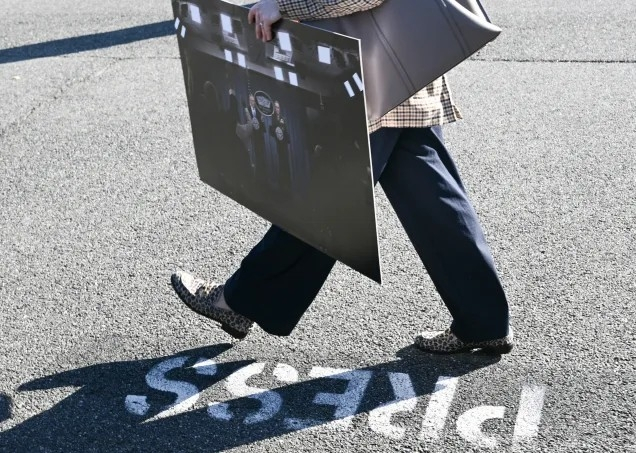
Sob a nova política anunciada, os jornalistas serão realocados para um "anexo distante" e precisarão de acompanhamentos constantes por pessoal do Departamento para qualquer acesso dentro do Pentágono. Enquanto o porta-voz do Pentágono, Sean Parnell, cita "considerações de segurança" como o principal motivo para essas mudanças, a Associação de Imprensa do Pentágono e grandes veículos de comunicação, incluindo The New York Times e CNN, expressaram profunda preocupação. Críticos argumentam que essas medidas erodem a transparência e limitam a capacidade do público de responsabilizar o poder militar.
À medida que as organizações de mídia se preparam para retornar ao tribunal para contestar essas últimas regras, o debate continua sobre o equilíbrio entre a segurança nacional e o direito constitucional a uma imprensa livre e independente.
Principais Conclusões:
Realocação de Espaço de Trabalho: O tradicional "Corredor dos Correspondentes" foi fechado em favor de um anexo fora do local.
Acompanhamentos Obrigatórios: Todos os jornalistas agora devem ser acompanhados por pessoal autorizado em todos os momentos dentro da instalação.
Desafios Legais: O New York Times indicou que essas novas regras não cumprem a recente liminar permanente e buscará um remédio legal adicional.
Impacto na Transparência: Jornalistas veteranos alertam que o acesso físico reduzido limita a capacidade de coletar informações e verificar os relatos do governo sobre ações militares.
#Pentagon #PressFreedom #FirstAmendment #Journalism #DefenseNews


