

In infrastructure work “interesting” is rarely a compliment. Teams responsible for payments, settlement or financial reliability tend to flinch at novelty not because they lack imagination but because they’ve learned where real risk hides. In my experience, systems don’t fail at the edges they fail in the unexpected gaps between components that were supposed to work together.
Execution environments are one of those gaps. When a virtual machine behaves differently from what teams expect subtle changes in execution order, edge-case handling, or tooling assumptions those differences become operational problems. They don’t show up immediately. They surface later, under load, during incidents or when something has to be fixed quickly.
That’s why infrastructure teams tend to prefer execution environments that are boring, predictable and well understood. Familiarity isn’t about convenience it’s about confidence under pressure. When something goes wrong, teams want to know exactly where to look, which tools to use and how similar systems have behaved before. Novel execution paths remove that certainty.
I have seen how this plays out in payments and settlement systems. When execution differs across environments, teams compensate with extra monitoring, manual checks and conservative limits. Over time, those safeguards become friction. Performance slows, complexity grows and the system becomes harder to operate even if the underlying technology is impressive.
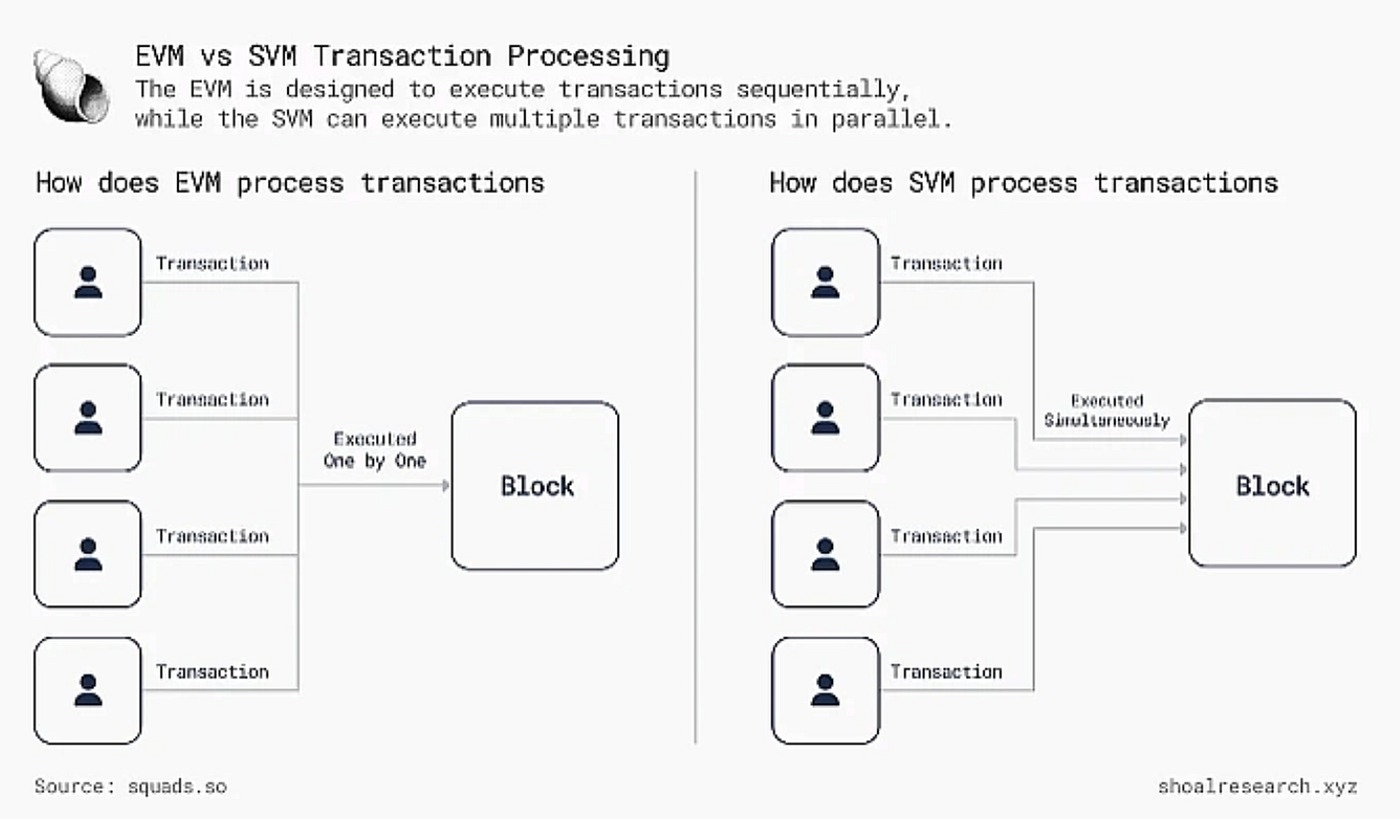
This is where full EVM compatibility, implemented through clients like Reth, becomes more than a developer preference. It creates a shared execution baseline across systems. The same assumptions, the same tooling, the same mental models apply. That consistency reduces operational noise and makes systems easier to reason about when it matters most.
For platforms like Plasma, this matters because payments don’t tolerate ambiguity. Settlement infrastructure needs execution that behaves the way teams expect, every time, without surprises. Predictability becomes a feature in itself.
Over time, I have come to see this as a maturity signal. Experimental environments are great for exploration. But infrastructure teams optimizing for reliability choose standards that have already been tested by real usage, real failures and real fixes.
Reliable infrastructure isn’t built on novelty it’s built on execution environments teams already trust.

