
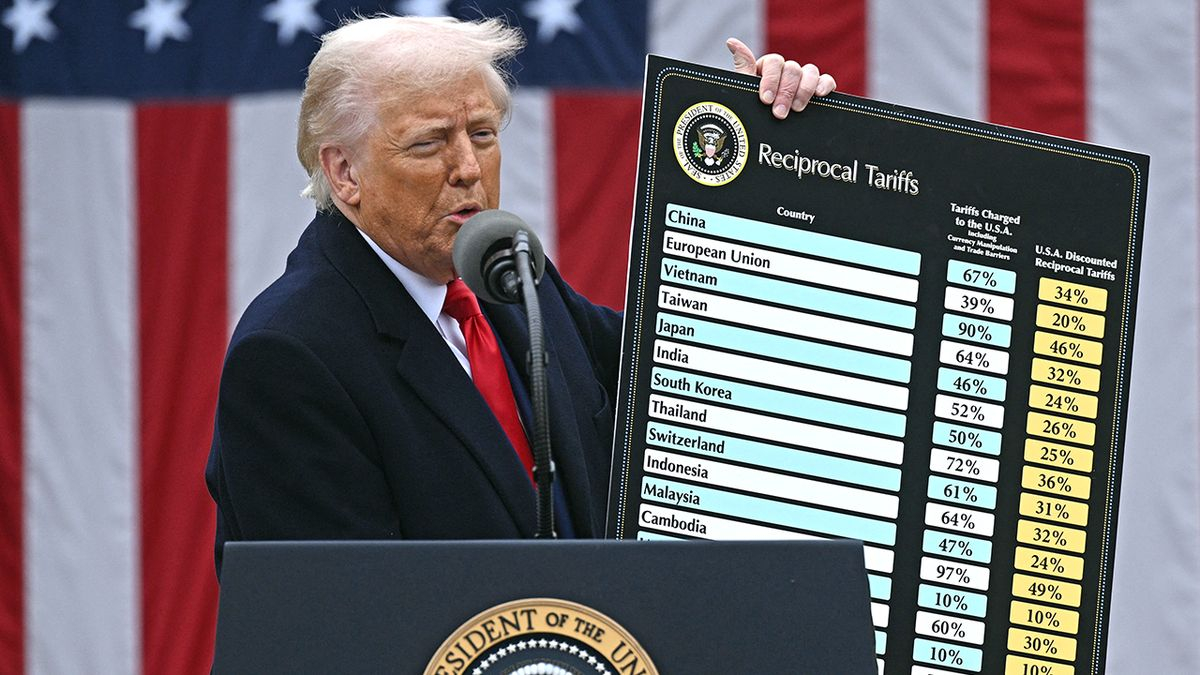
Today, April 2, exactly one year since "Liberation Day" 2025. And with markets in extreme fear, I think this is an important time to reflect on the lessons.
On April 2, 2025, Trump announced a comprehensive "reciprocal tariffs" package: baseline 10% on all imports, with higher rates for specific countries — 34% for China, 20% for the EU. Bitcoin fell from nearly $88,000 to $82,000 soon after, and the overall crypto market cap fell to a several-week low.
The net effect: one analysis found that Trump's tariffs pushed up consumer prices by about 2% over the course of the past year, with 90–95% of the cost of the tariffs actually being passed on to consumers — an average loss of $1,000 per American household in 2025.
Here's what I find most interesting: although Liberation Day initially shocked the market, Bitcoin recovered strongly in Q2 and Q3 2025, even reaching an ATH of $126,000 in October — before a new tariff in October pulled the market down again.
Pattern This repeats itself over and over: tariff shock → risk-off sell-off → recovery when the dust settles. It's not because crypto is immune to macros. But because crypto is the only asset that trades 24/7 and reacts immediately — and then finds balance before the traditional market.
Analysts are closely monitoring any new tariff announcements in April 2026, especially after the US Supreme Court rejected the majority of Trump's emergency tariff in February 2026. The big question is whether Trump will escalate his tariffs in Q2.
One year after Liberation Day, Bitcoin is still here — below ATH but still alive. That's not failure. It's data.Not financial advice.