
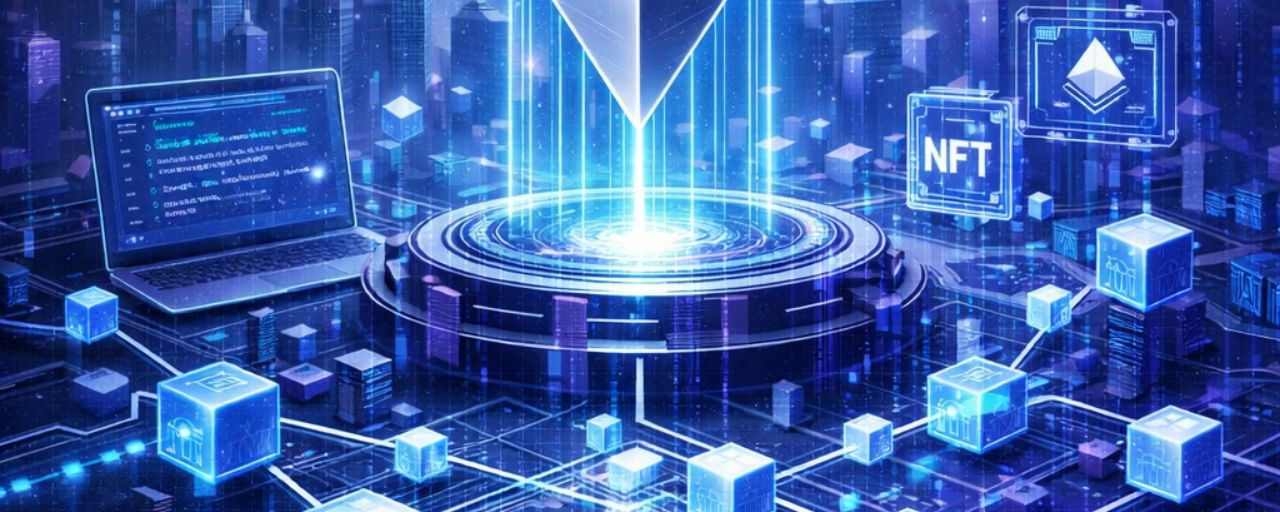
🌐 Ethereum: Noul Sistem de Operare al Internetului
Introducere: Dincolo de monedă
Când oamenii aud „crypto”, se gândesc adesea la Bitcoin. Dar a doua cea mai mare criptomonedă, Ethereum, este mult mai mult decât bani digitali. Este o platformă - un blockchain programabil care permite dezvoltatorilor să construiască aplicații descentralizate (dApps), să lanseze NFT-uri și să creeze contracte inteligente care se execută automat fără intermediari.
Ethereum este adesea numit pilonul Web3, următoarea generație a internetului.
Nașterea Ethereum
Ethereum a fost lansat în 2015 de Vitalik Buterin și o echipă de dezvoltatori care au văzut limitările Bitcoin. În timp ce Bitcoin a fost revoluționar ca aur digital, nu a fost conceput pentru aplicații complexe. Ethereum a umplut acest gol prin introducerea unui blockchain care putea rula cod — deschizând ușa pentru finanțe descentralizate (DeFi), gaming și artă digitală.
De ce contează Ethereum
Smart Contracts:Acorduri auto-executante codificate direct în blockchain.
Aplicații descentralizate (dApps):Aplicații care funcționează fără servere centralizate.
NFT-uri: Ethereum a devenit locul de naștere al token-urilor non-fungibile, alimentând arta digitală și colecțiile.
DeFi: Ethereum susține împrumuturi, împrumuturi și tranzacții fără bănci.
Ethereum nu este doar un coin; este un ecosistem.
Ethereum vs. Bitcoin
Dacă Bitcoin este aur digital, Ethereum este motorul digital. Bitcoin stochează valoare, în timp ce Ethereum creează valoare prin facilitarea inovației. Dezvoltatorii pot construi întregi afaceri pe blockchain-ul Ethereum.
Această distincție este motivul pentru care Ethereum este adesea descris ca 'computerul lumii.'
Tehnologia din spatele Ethereum
Ethereum funcționează pe propriul său blockchain, securizat de mii de noduri din întreaga lume. Cea mai faimoasă caracteristică este Ethereum Virtual Machine (EVM), care execută smart contracts.
În 2022, Ethereum a trecut prin 'The Merge', trecând de la un sistem bazat pe proof-of-work, intensiv din punct de vedere energetic, la proof-of-stake. Aceasta a redus consumul de energie cu peste 99%, abordând una dintre cele mai mari critici ale cripto.
Ethereum în cultură
Ethereum nu este doar tehnic — este cultural. A dat naștere boom-ului NFT, unde artiștii au vândut lucrări digitale pentru milioane. Alimenta comunități descentralizate, DAO-uri (Organizații Autonome Descentralizate) și chiar experimente în guvernanță.
De la muzicieni la branduri de modă, Ethereum a devenit un teren de joacă creativ.
Provocări și critici
Ethereum se confruntă cu obstacole:
Scalabilitate: Cererea mare duce adesea la tranzacții lente și comisioane mari.
Concurență: Blockchain-uri precum Solana și Polygon contestă dominația Ethereum.
Complexitate: Pentru începători, ecosistemul Ethereum poate părea copleșitor.
Cu toate acestea, Ethereum continuă să evolueze, cu upgrade-uri precum sharding și soluții layer-2 care promit tranzacții mai rapide și mai ieftine.
Întrebări de implicare pentru cititori
Imaginează-ți viitorul:Ce aplicații ai construi dacă ai putea codifica pe Ethereum?
Alătură-te conversației: Vezi Ethereum ca fundamentul Web3 sau doar o altă tendință cripto?
Idee de sondaj pentru social media: 'Ce te entuziasmează mai mult — Bitcoin ca aur digital sau Ethereum ca computerul lumii?'
Concluzie: Motorul Web3
Ethereum este mai mult decât o criptomonedă. Este o platformă, o mișcare și o viziune a unui internet descentralizat. De la smart contracts la NFTs, a remodelat modul în care gândim despre proprietate, încredere și creativitate online.
Pe măsură ce Web3 crește, Ethereum rămâne în centrul atenției — nu doar alimentând tranzacții, ci și imaginația.
