I have been around this market long enough to notice a pattern. Whenever crypto gets mixed with another big industry, excitement spreads fast. Add robotics to the story, talk about machines running their own economy, and suddenly people start acting like the future has already arrived. That was my first reaction when I started seeing Fabric Protocol getting attention.
It felt familiar.
But I am not ready to dismiss it either.
Under all the noise, there is actually a real problem being discussed. If machines are ever going to work independently in the real world, they will need some kind of system to coordinate what they are doing. They will need identities, ways to get paid, systems to record the work they complete, and clear rules about responsibility. Once robots start doing real tasks, those things become necessary very quickly.
That is the space Fabric Protocol says it wants to work in.
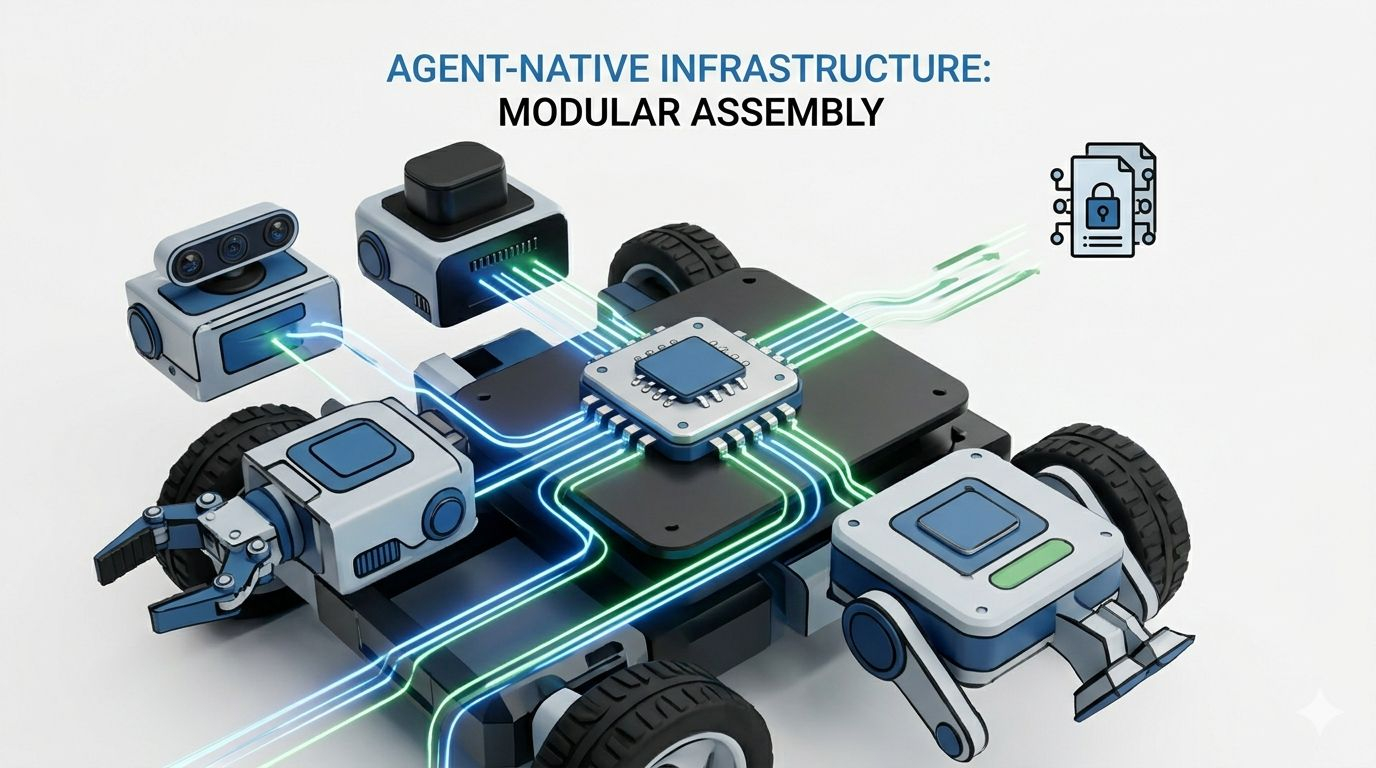
The idea behind it is to create an open network where machines can operate, interact, and improve over time. The project is backed by the Fabric Foundation and talks about building infrastructure that allows robots and autonomous systems to function inside a shared economic network. Through a public ledger, the system would track data, computation, and rules so machines and humans can cooperate more safely.
At least conceptually, it makes sense.
What caught my attention is that Fabric seems to be trying to design the system itself, not just build a flashy story. In crypto, many projects start with a narrative and only later try to justify why their token exists. Fabric looks like it might be attempting the opposite approach by thinking about how machines would actually participate in an economic network.
But good ideas are always easy at the beginning.
On paper everything looks clean. Machines perform tasks, the work gets verified, rewards are distributed, and everything is recorded on a network that keeps the system running smoothly. Crypto has always been good at drawing those kinds of diagrams.
Reality is where things get complicated.
Physical systems are messy. Data becomes unreliable, verification processes slow things down, and incentive systems often get manipulated. When real machines are involved, the environment is unpredictable. The neat logic of a whitepaper rarely survives unchanged once real-world operations begin.
That is why my focus is not on how impressive the concept sounds.
The real question is whether a network like this can actually track machine activity, coordinate work, verify results, and move value in a way that people trust. Not in theory, but in everyday use. If that part does not work, then the rest of the narrative loses its meaning.
To be fair, Fabric at least seems aware that it is trying to build infrastructure instead of simply chasing attention. That does not make it special. Many projects have believed they were building something foundational before disappearing once the hype faded. Still, there does appear to be some effort here to think beyond the typical short-term narrative.
Even so, experience makes me cautious.
I have seen too many teams build systems that looked perfect in their own minds but never attracted real users. The logic was solid internally, but the outside world simply did not care. Eventually the market moved on and the tokens were left behind as reminders of a once-popular idea.
So when I look at Fabric, I am not focused on the polished pitch.
I am waiting to see where the system struggles. I want to see what happens when machine coordination stops being a concept and becomes everyday operational work. That is usually when the real strengths and weaknesses start to appear.
For now, Fabric seems to have a little more depth than many other projects fighting for attention. That is not a huge compliment, because the bar in this industry is often very low. But it does feel like the project is at least trying to build something structural instead of repeating the same recycled narrative.
Still, none of that proves anything yet.
Maybe Fabric eventually becomes one of the projects that actually makes machine coordination work. Or maybe it runs into the same problems that stop many ambitious ideas once they leave theory and face reality.
Right now, the only honest answer is to watch and wait. Real proof usually comes much later than the excitement.