


I was looking at a few onchain analytics tools again… and something felt a bit off 🥴
You can see everything
transactions
wallet activity
contract interactions
But even with all that data…
you still end up asking
what does this actually prove
Because a transaction only tells you that something happened
It doesn’t tell you what that action means
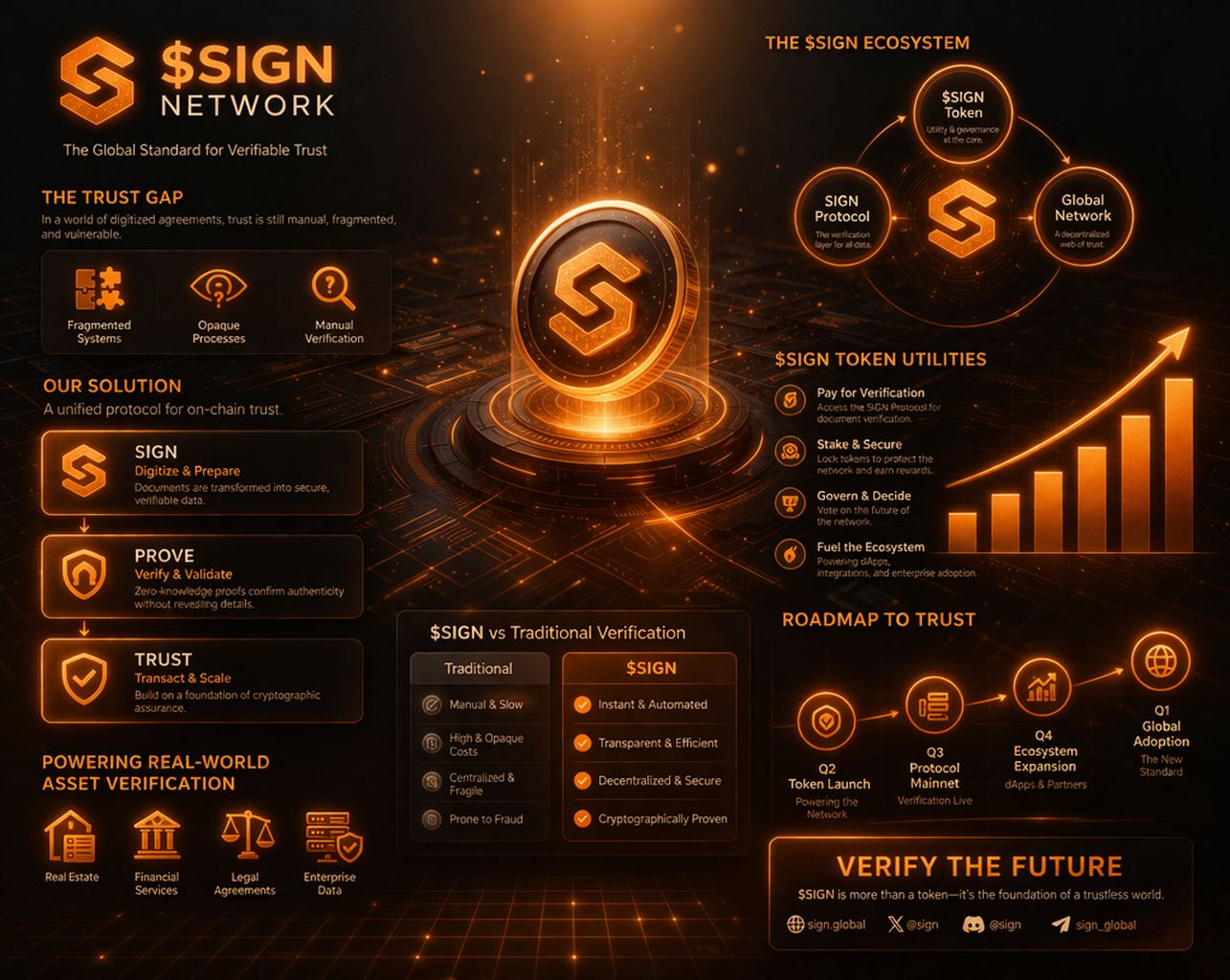
And that’s the gap Sign Network is trying to fix
Not by adding more data
but by structuring it into something meaningful
through attestations
Instead of relying on assumptions like
this wallet is early
this user is verified
this address qualifies
Sign turns those into explicit claims
defined
verifiable
and provable
So rather than guessing from activity
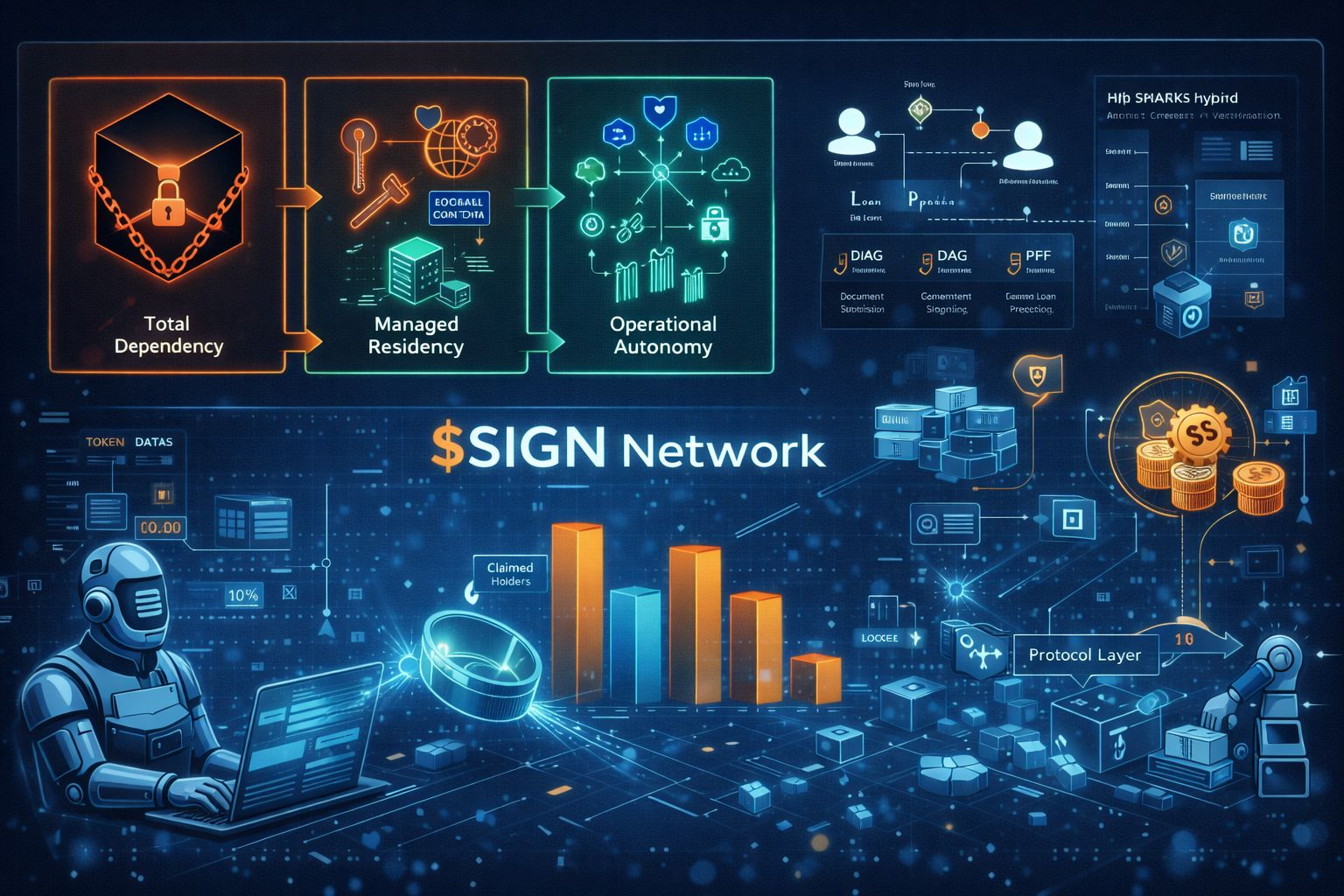
you can actually check
was this claim issued under valid conditions
That’s a completely different layer of trust
Another thing that stood out to me is how flexible this system is
Because attestations aren’t limited to one use case
They can represent
identity
credentials
participation
eligibility
reputation
Basically anything that needs to be proven without relying on centralized systems
And the interesting part is that these claims don’t stay locked inside one platform
They’re portable
So instead of re-verifying the same user across different apps
you can reuse existing attestations
which removes a lot of friction across ecosystems
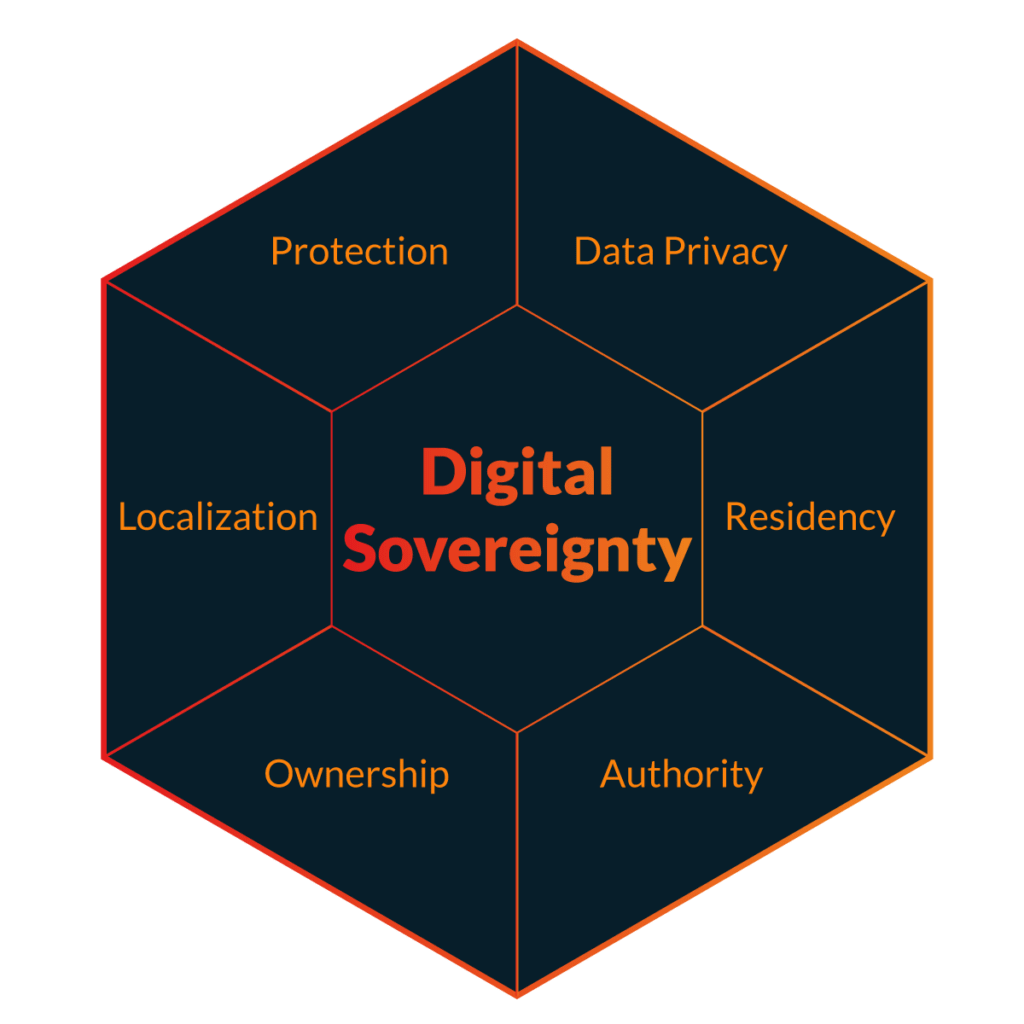
This is where the idea of Digital Sovereign Infrastructure starts to make sense
It’s not just about identity like Web2
it’s about owning the claims that define you onchain
Not your raw data
but the verified statements about that data
Another angle I’ve been thinking about is how this impacts coordination between systems
Right now every protocol builds its own logic
its own rules
its own verification methods
Which creates fragmentation
But if claims become standardized through attestations
different systems can start to rely on the same source of truth
without needing to trust each other directly
And that’s powerful
Because it shifts trust from platforms
to verifiable data structures
The more I look at it
Sign isn’t trying to compete with blockchains
it’s building a layer that sits above them
giving context to what already exists
And honestly… that’s one of those things that doesn’t look flashy at first
But once you notice the gap it’s solving
you start seeing how necessary it actually is
Because Web3 doesn’t just need more data
it needs data that can be
proven, reused, and trusted across systems