
Hello! I’m back and a lot has happened whilst I was away.
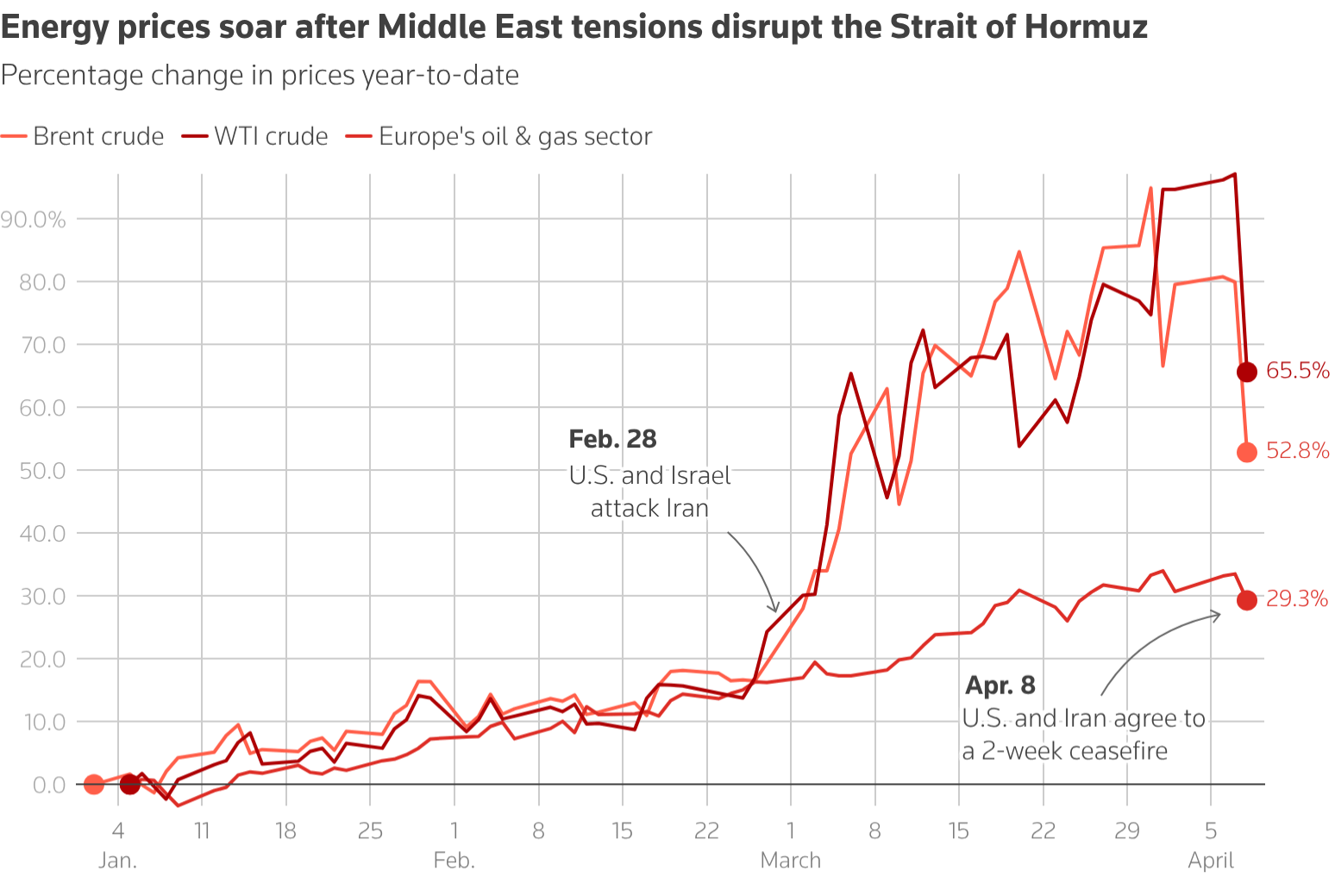
In fact, a two-week ceasefire between the United States and Iran was agreed upon by the time I got back, and the conflict in the Middle East has been a primary focus of the newsletter over the last few weeks.
Although I covered the topic of the effects of the war on cosmetics and food last week, I wanted to specifically hone in on fertilizer today, while the ‘Talking Points’ section tackles fuel shortage protests and the rise in renewables that the six-week-long war has sparked.
But before we get into the weeds of farming, I’ve also got some major tech-related social and governance stories on my radar, so take a look at the stories below, especially the one about China regulating ‘digital humans’:
Bessent urges Congress to pass crypto regulation bill
Exclusive: TikTok to build a second billion-euro data centre in Finland
Greece to ban social media for under-15s from 2027, calls on EU action
China moves to regulate digital humans, bans addictive services for children
Struggling with tight supplies
How did the conflict in the Middle East impact fertilizer?
Fertilizer production is energy-intensive, relying heavily on natural gas as a feedstock, with energy making up as much as 70% of production costs.
As a result, much of the world's fertilizer is made in the Middle East, with one-third of global trade in it passing through the Strait of Hormuz, a narrow shipping route along Iran's coast that has largely been shut since the conflict began.
The most important fertilizers near term are nitrogen-based products like urea. Researchers say that urea fertilizers account for more than 50% of the world’s nitrogen fertilizer usage for crops like corn, wheat, rice, some fruit and vegetables.
However, the United States is the primary exception, where urea faces significant competition from other nitrogen sources.
The global fertiliser market was already tight, with China restricting exports this year to ensure domestic availability, while producers in Europe have cut output due to the loss of cheap Russian gas supply, analysts said.
Urea prices had risen by around $80 per ton from around $470 per ton quoted before the start of the Iran war, they said.
A sustainable fertilizer switch
Now, farmers around the world are looking at switching to less nutrient-hungry crops as the Iran war hits the supply of fertilizers.
U.S. farmers plan to plant less corn this year than last year, and will plant more soybeans, the U.S. Department of Agriculture said last week.
Australian growers are also expected to favour barley over nitrogen-intensive wheat and canola in the upcoming season.
#CZonTBPNInterview #FedNomineeHearingDelay #BinanceWalletLaunchesPredictionMarkets #IranClosesHormuzAgain #freedomofmoney