#ranRejectsSecondRoundTalks
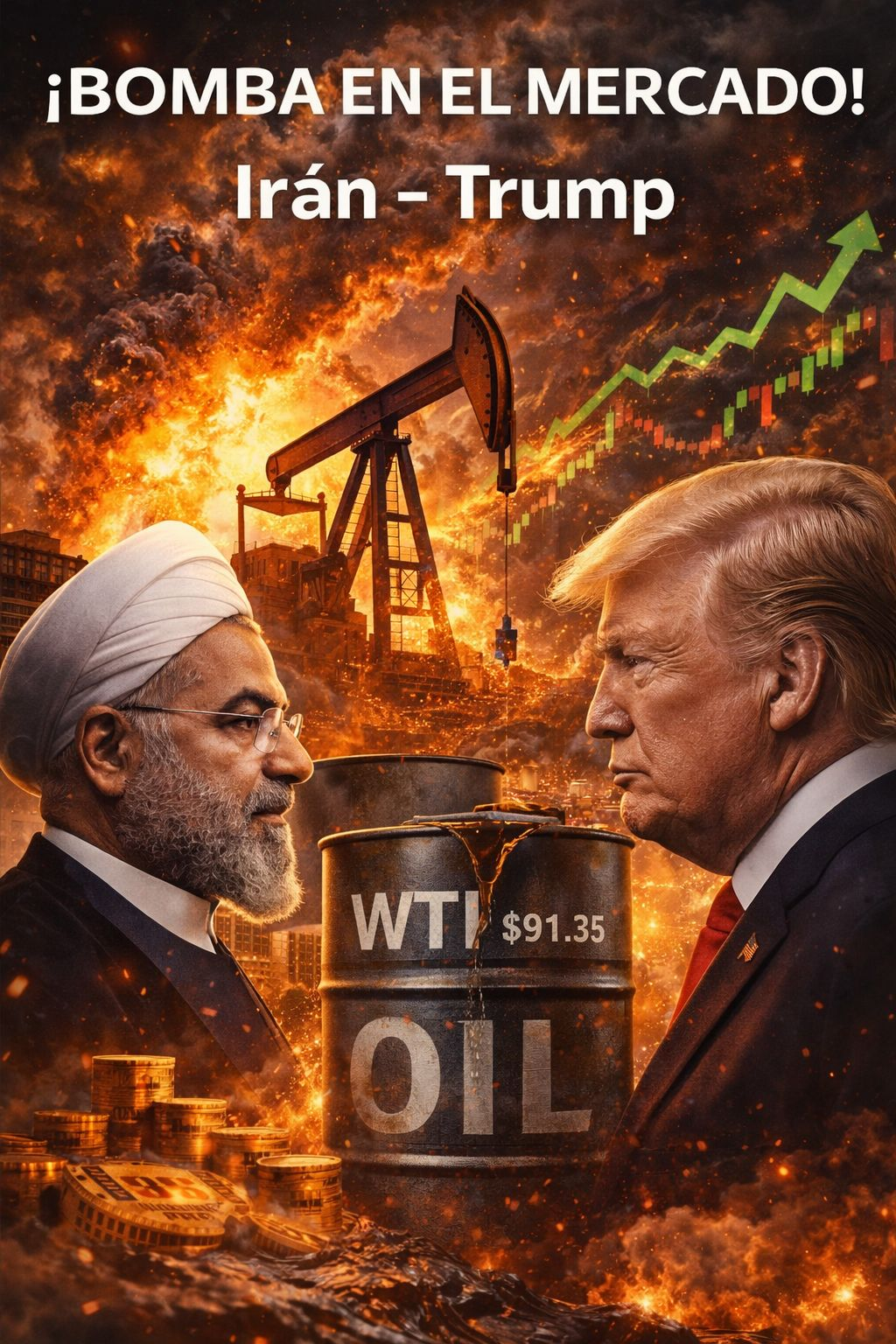
⏳The global geopolitical landscape has just experienced an electric shock. On a day marked by high tension, the price of WTI (West Texas Intermediate) crude oil has surged by 5%, breaking the barrier of $91.35 per barrel. This movement is not a coincidence: it is the direct result of a frontal diplomatic collision between the powers of the Middle East and the projections of the U.S. administration.
📉 The domino effect: Markets on red alert
While the "black gold" celebrates its rise, optimism fades in New York. Nasdaq futures are already experiencing a decline of 0.9%, reflecting investors' fears of a possible escalation in energy costs that could fuel inflation.
Iran's rejection of the conciliatory stances recently suggested by Donald Trump has created a climate of uncertainty that the markets detest. When diplomacy fails, crude oil is often the first to react, acting as a thermometer of global fear. 🌪️
🇮🇷 Tehran's rejection and the Trump factor
The epicenter of the conflict lies in the statements from the weekend. Despite attempts to project stabilization in the region, Iran has maintained a firm and rejecting stance, which has invalidated the "climate of confidence" that was being attempted to be built from Washington.
For analysts, this 5% jump is just the tip of the iceberg. If tensions persist, we could see a reconfiguration of supply routes and a severe adjustment in growth projections for the second quarter of the year. 📊
💡 The Intriguing Fact
Did you know that a sustained 10% increase in oil prices can reduce global GDP growth by almost 0.5% in just one year? Crude oil not only powers engines; it drives the stability of nations.
🚀 What to expect in the coming hours?
The focus is on the official opening of the stock markets. With oil nearing critical levels, pressure on central banks to adjust their policies could intensify. We are in a "wait and see" scenario, where a single tweet or official statement can change the course of your wallet. 💸$BTC