A months ago I noticed something that made me feel uncomfortable when I was using artificial intelligence tools that are connected to cryptocurrency systems.
The models were becoming easier to use. Harder to trust. This was not because they were obviously malicious. Most of the time they sounded helpful. They gave answers had smooth interfaces and clean outputs. But the more I used them the more I realized that I had no idea how decisions were being made underneath.
One model would summarize discussions about governance in a way than another model. Wallet assistants would suggest actions that would quietly benefit ecosystems. Reputation systems looked objective. Then you would notice how easy it was to make it look like people were participating. Sometimes I could not tell if a result came from consensus or from whoever controlled the training pipeline.
What surprised me was how quickly people got used to this. People who use cryptocurrency spent years learning how to deal with problems that made it hard to use. We got used to switching wallets every months. We accepted that some bridges did not work. We tolerated dashboards that never fully matched each other. We learned to have identities across different chains and protocols and it felt like that was just part of using cryptocurrency.
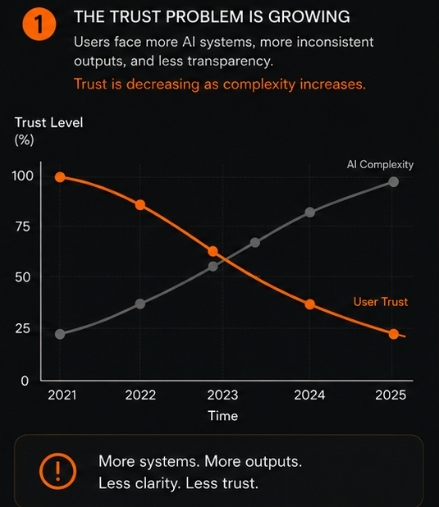
Now the same thing is happening with intelligence. People are starting to accept that it is normal for information to be inconsistent. One assistant will tell you that money is moving into a network while another assistant will tell you that activity is real when most of it is actually just people trying to get incentives. The interfaces feel smart enough that users stop questioning where the information came from. Most people are too tired to check every output
This changes the way people think about the ecosystem more than they realize. Because eventually the problem is not how fast things can be done. It becomes about how people can keep trusting the system.
I think that is part of what made OpenLedger interesting to me after I spent time with it. Not because it promises to be completely transparent. Cryptocurrency already learned that every system eventually becomes more complicated than its plan.
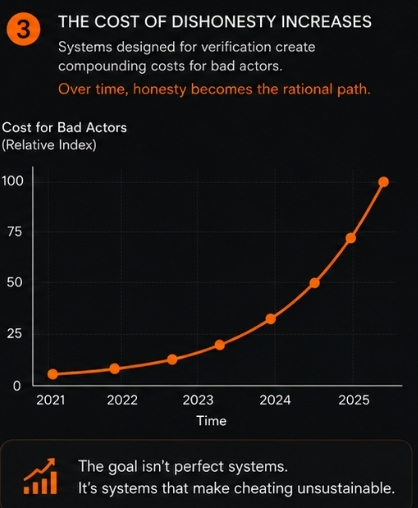
There is a subtle idea underneath OpenLedger that feels different. The idea seems focused on making artificial intelligence seem smart and more focused on making it expensive to be dishonest over time.
That difference matters. For years cryptocurrency infrastructure was about moving things faster. Faster bridges, settlement, faster coordination of money.. Artificial intelligence systems introduce another layer entirely. Now information itself becomes part of infrastructure. Recommendations affect how money is used. Model outputs influence how governance is interpreted. Attention affects money before transactions even happen.
If those systems cannot be verified in some meaningful way then the ecosystem slowly becomes manipulated in a way that nobody can fully measure.
I do not think most users notice this yet. They just feel tired. Many interfaces, too many assistant layers, too many invisible assumptions happening between decision and execution. Cryptocurrency got people used to being exhausted gradually that people stopped calling it a problem.
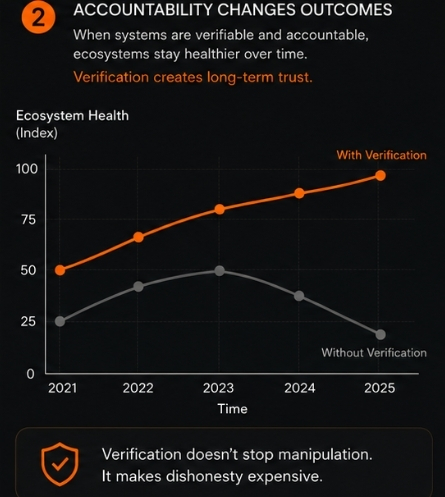
What OpenLedger seems to recognize is that eventually artificial intelligence networks may face the pressure that cryptocurrency networks already faced years ago. Systems that cannot establish accountability start losing trust slowly even when the number of users still looks healthy.
Not all once. Just enough that people become more passive, less certain and more dependent on defaults.
Once that happens the ecosystem starts to centralize in peoples minds long before it centralizes technically.
I still do not think any system fully solves this problem. Incentives always distort behavior eventually. Models can still be manipulated. Reputation can still be manufactured. Most infrastructure eventually becomes too complex for users to check.
There is something important about seeing a project treat verification as part of the user experience instead of just something that happens in the background.
Most people stopped questioning whether artificial intelligence systems inside cryptocurrency should be accountable, in the place.
OpenLedger feels like one of the projects that assumes they will have to be accountable eventually.