


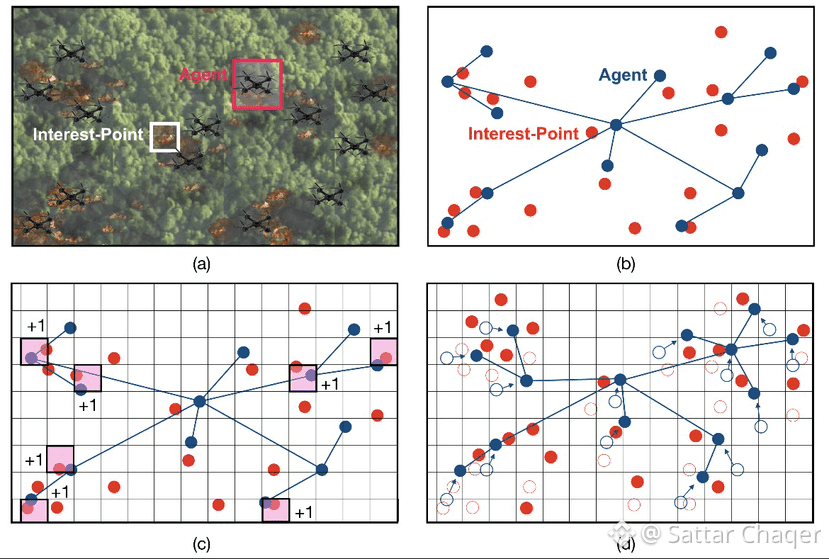
I used to think systems failed because something technical broke. A bug. A delay. A missing piece of data.
But the more I look at real failures, the less that explanation holds up.
Most of the time, nothing actually “breaks.” Things just stop lining up.
Agents keep doing what they’re supposed to do. Transactions go through. Data updates arrive. And yet the outcome feels off. Decisions start drifting. Actions don’t quite match intent anymore. You can feel the system losing coherence before you can point to a single fault.
That’s usually where coordination gives way.
When agents don’t have continuity — when every action exists in isolation they can’t build context. They don’t remember. They don’t adapt. They just react. And once that happens, systems start compensating in awkward ways: more rules, tighter controls, extra checks that weren’t needed before.
It’s not because the system is too slow. It’s often because it’s too fast in the wrong places.
Speed amplifies small misalignments. What begins as a minor inconsistency turns into behavior no one planned for. At that point, adding more automation doesn’t help. It just accelerates confusion.
What stands out about Kite is that it doesn’t treat coordination as something you patch later. Identity isn’t bolted on after the fact. It’s part of how agents exist in the system in the first place. That changes how decisions carry forward. Actions leave traces. Context accumulates.
When that happens, coordination becomes less about control and more about coherence.

Systems don’t usually collapse because they can’t act fast enough. They collapse because their parts stop understanding each other.
And once that happens, speed stops being an advantage.

