
In 2017-2018, almost every month a new 'Bitcoin' appeared.
Bitcoin Gold.
Bitcoin Diamond.
Bitcoin Private.
Bitcoin Green.
Bitcoin SV.
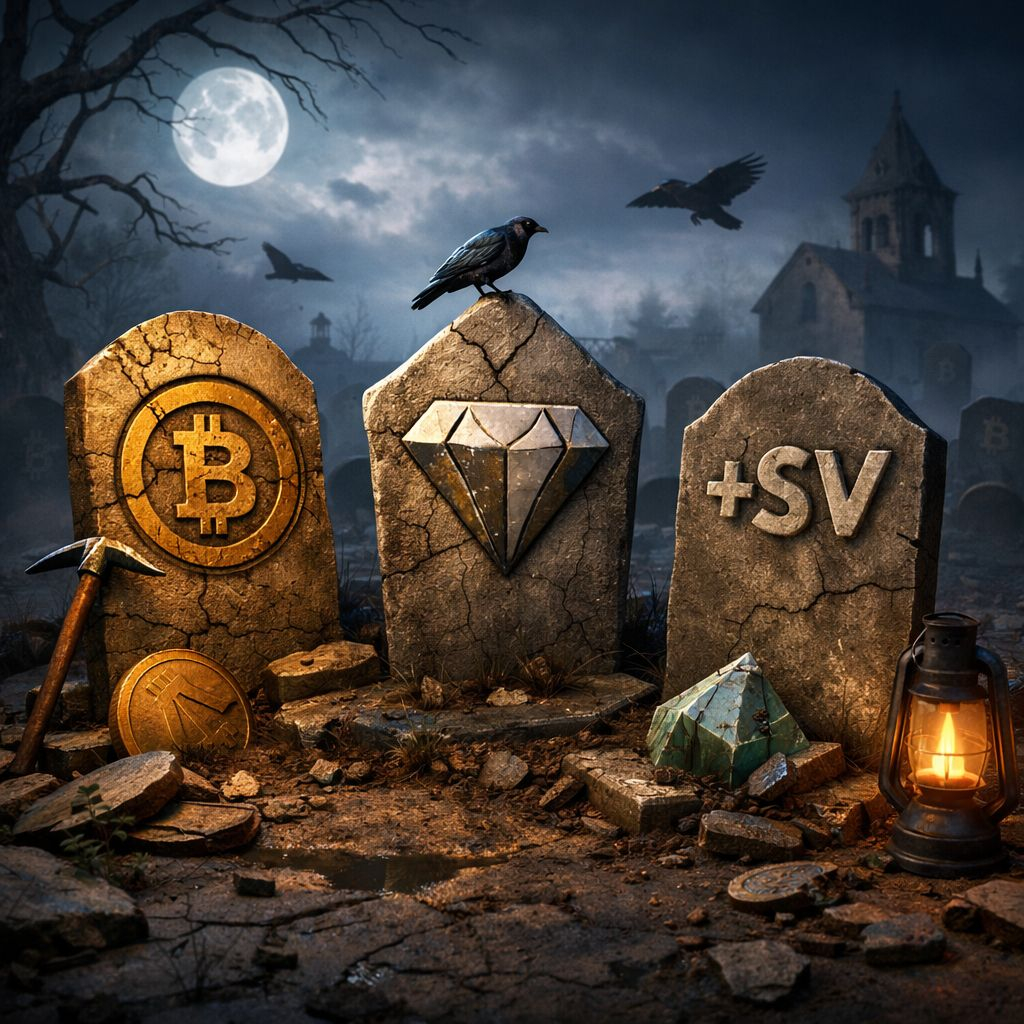
It seemed that it was enough to take the open source code, change a few parameters - and the market would receive an 'improved version' of the original. But years have passed, and most of these forks have disappeared from the agenda. Some have been delisted, some exist formally, but without liquidity and interest.
Why did this happen?
Forking the code is easy.
Forking trust is impossible.
Blockchain is not just lines of code. It's infrastructure: exchanges, wallets, developers, miners, users, businesses that accept the coin. It's liquidity and market depth. It's history.
Most forks bet on marketing and the loud name 'Bitcoin', but did not create a full-fledged ecosystem. Without developers, the project stagnates. Without liquidity, investors leave. Without miners, the network becomes vulnerable. As a result, the market gradually filters out weak copies.
And yet not all forks have disappeared.
Bitcoin Cash remains the most notable surviving fork. It has retained the infrastructure, exchange support, and its own community. Yes, it hasn't become the 'new bitcoin', but it has found its place in the ecosystem. Even Bitcoin SV continues to exist, though with much less influence.
This process is an important lesson for the entire crypto industry.
It is possible to copy the technology.
Trust in the network cannot be copied.
Today we see a similar picture with thousands of tokens. Most of them will not survive to the next cycle. But infrastructure projects that solve real problems and have an ecosystem will remain.
Crypto matures through natural selection.
And the graveyard of forks is not a sign of industry weakness.
It's its filter.


#cryptocurrency 🚀
#blockchain 🔗
#forks ⚙️
#bitcoin 💰
#investments 📊