
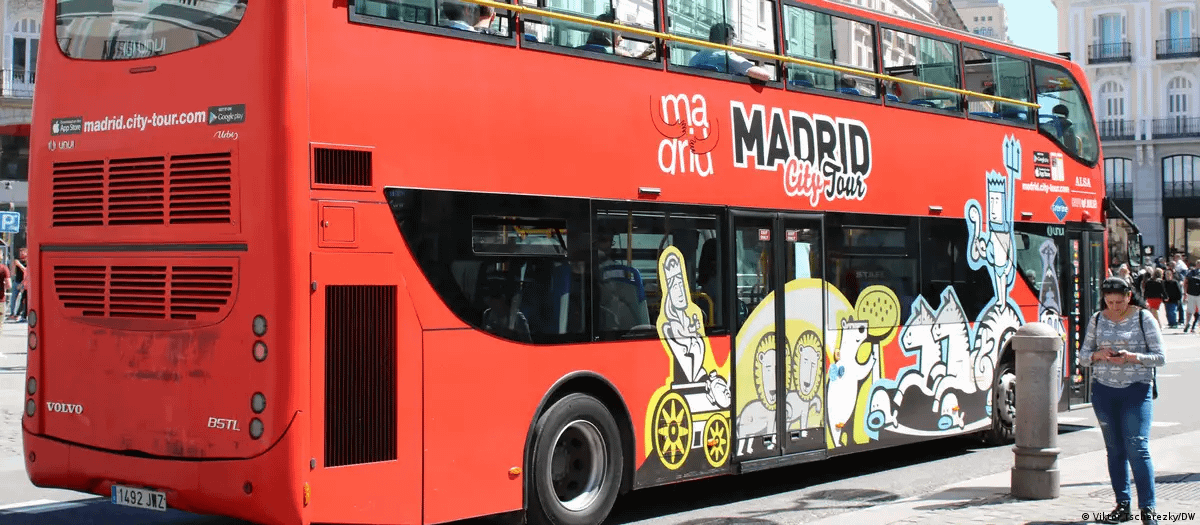
"There is no place in Spain for the growing number of tourists," claims Alberto Ibáñez, a member of parliament from the left-wing radical party Sumar ("To Unite"), which is part of the ruling coalition. According to him, the uncontrolled influx of foreign guests creates "unbearable living conditions for Spaniards". They are excessively noisy, causing chaos on the streets, in stores, restaurants, beaches, and public transport.
At the initiative of the politician, a special group has been created within the parliamentary Commission on Industry and Tourism, which will develop new legislation taking into account the existing experience of implementing restrictive measures for tourists in different regions of the country.
Why Spaniards are against mass tourism
At a press conference in Madrid at the beginning of April, Deputy Ibáñez stated that in such Spanish cities as Barcelona, Valencia, Benidorm, or Alicante, "it has become impossible to live during the summer season due to the mass presence of foreigners." In response to questions from journalists, including a DW correspondent, about his initiative, he expressed support for the introduction of "restrictive measures" regarding the number of foreign tourists, taking into account the complaints of the population, which, according to him, "in some cases is even forced to leave their native places."
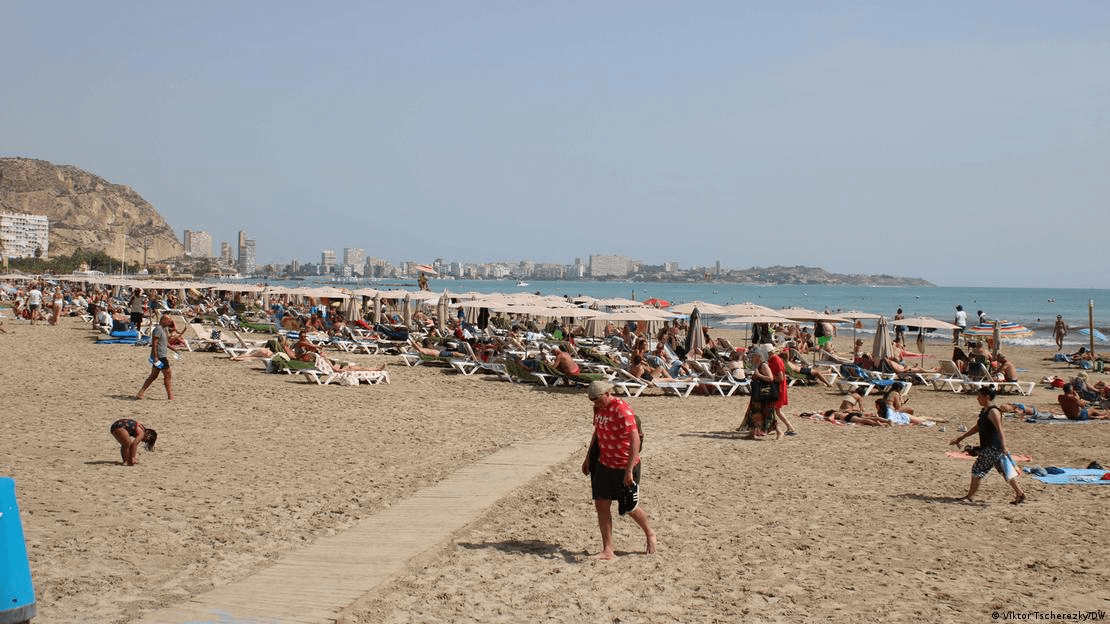
First of all, in the opinion of the deputy, it is necessary to limit the visits of cruise megaships to port cities, hundreds of passengers of which fill the streets of these cities. The economic benefit from such visitors, he says, is "at best a few euros that they spend on beer or Coca-Cola." Secondly, it is necessary to address the so-called "tourist apartments," whose occupants "cause concern for neighbors - local residents, while owners, unlike hotel owners, do not pay taxes."
Protests of the Spaniards
The deputy reminded that in the summer of 2025, a wave of protests against foreign tourism swept across the country. Demonstrations took place in Barcelona, Granada, Malaga, Bilbao, San Sebastián - a total of 15 large cities. Citizens are particularly dissatisfied with the aforementioned tourist apartments, the demand for which among foreigners is growing due to the possibility of saving on accommodation. After all, prices in such apartments are significantly lower than in regular hotels. However, due to the increase in the number of apartments for short-term tourist rentals, the market for long-term rentals for Spaniards has significantly shrunk. Accordingly, prices have risen, and the housing problem has worsened.
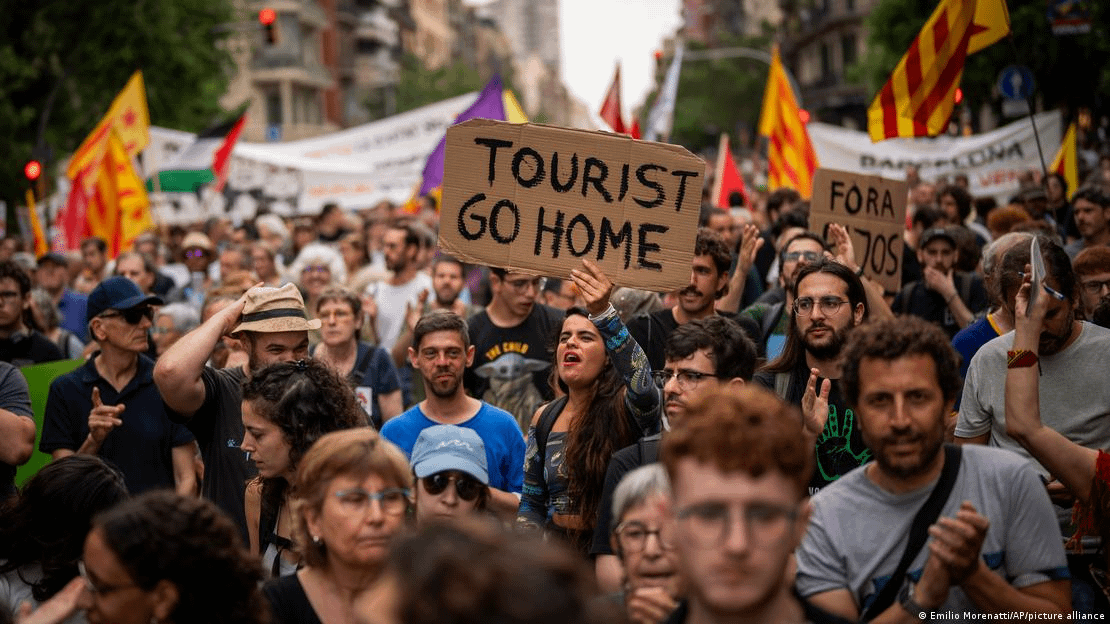
Participants in the protests accused mass tourism "of worsening living conditions in Spain." And not only because of the round-the-clock noise and sometimes petty hooliganism coming from idle, relaxed, and tipsy holidaymakers, but also due to negative impacts on the environment. This includes coastal development with hotel complexes, pollution from waste, soil erosion, harm to flora and fauna, and the depletion of already scarce Spanish freshwater resources. The latter mainly goes to fill hotel pools and irrigate numerous golf courses. Hundreds of charter flights, cruise ships, tour buses, and vehicles used by foreigners are also considered harmful to the environment by the protesters.
What measures are planned to be introduced in Spain
Alberto Ibáñez told reporters that the parliamentary group needs to "summarize the existing local experience in combating the massification of tourism: against its negative consequences and for raising the level of leisure culture." For example, in Barcelona, where there are more than 10,000 tourist apartments, it has been decided to gradually close them by 2029. The Madrid City Hall has also taken on the reduction of such accommodation for tourists. In the Balearic Islands, the arrival of cruise ships has been sharply reduced. In Toledo, excursion groups must not exceed 30 people, and guides are prohibited from using megaphones under the threat of a fine of 700 euros. A similar measure has been introduced in San Sebastián.
In addition, the Balearic Islands plan to increase the "ecotax" this year from 2 to 6 euros per day, and for foreign cars - up to 85 euros. Drinking alcohol on the beaches of the archipelago is prohibited. In southern Spain - in Marbella - the fine for relieving oneself on the beach or in the sea is 1500 euros. Listening to music without headphones will cost holidaymakers 700 euros. A little less - 600 euros - for smoking on the beach. And an autograph on an archaeological monument - like "so-and-so was here" - will cost up to 3,000 euros.
Reduce or leave
"The problem of mass tourism is complex and should have been addressed long ago," said DW economics professor Jorge Ramirez. "What is being done locally for the normal functioning of this sector is clearly insufficient." The professor reminded that in 2025, the country welcomed 97 million foreign tourists, which is almost twice the population of Spain. The industry employs 13 percent of Spanish workers, and in terms of profitability, the tourism business ranks first in the local economy. Last year, it generated revenue of 135 billion euros.
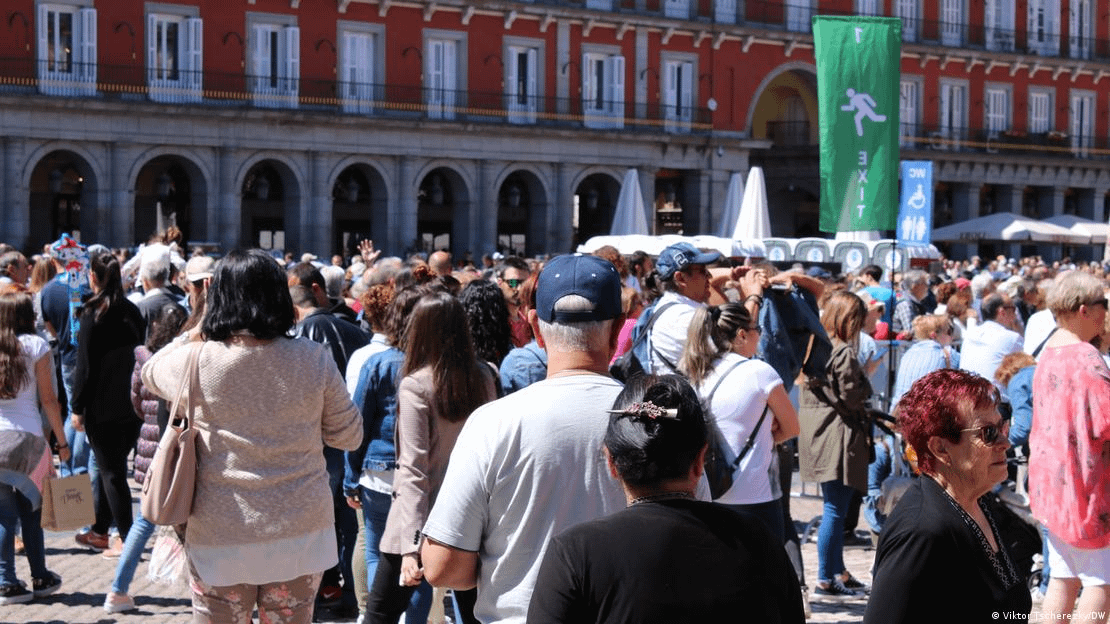
So "it cannot be said that this industry should be rolled back, as some deputies from left-wing parties demand," says the expert. After all, those Spaniards who today protest against the influx of tourists will protest tomorrow because they lost their income due to their absence. The solution to the problem lies in reforming the industry. In 2025, the government adopted the relevant plan. It, in particular, provides for redirecting tourist flows from the regions of Catalonia, the Balearic Islands, Valencia, and Malaga, where there is an influx, to alternative - places that are not yet developed by foreigners.
As an alternative, Ramirez mentioned the beaches of the southeast or southwest coast of Spain. However, for their development - the creation of necessary tourist infrastructure - "large capital investments are required, which the current crisis-ridden Spanish economy does not have." At the same time, the interlocutor of DW considers it positive if the parliament does something to normalize the tourism sector, for example, "summarizes the existing regional experience in establishing order and formalizes it as useful and recommended for the entire country."
#WorldNews2026 , #MarketTurbulence , #GlobalEconomicNews
With us (in this group!), as a rule, remain those (subscribers!) who, in search of fresh and relevant news, do not want to browse dozens of different sites and news publications, but can afford to read all the most interesting news in one news feed!!! 😉
Enjoy your viewing!!! 😊
And we will continue to look for fresh and interesting news. 😉